


Browse and search a portion of the collections of the Tides Institute & Museum of Art available online (now consisting of over 8,000 online records in process of completion). The Online Collections are best viewed using Google Chrome or Mozilla Firefox. Search Hints: To search by phrase or multiple word names wrap your criteria in quotes. Example: “Martin Johnson Heade” or “Grand Manan”. For an overview of the collections, see: Collections Overview.
Photographs
The large Photographs collection includes a range of photographs and photographers. Most of the photographs relate to the region and include works by known photographers such as Paul Caponigro, George Daniell, William Lyman Underwood, Thaddeus Holownia and David Stess as well as early local photographers including Davis Loring, Charles E. Brown and Cecil Greenlaw. Extensive 19th and early 20th century photographs of the region include ambrotypes, daguerreotype, stereoviews and albumen prints.
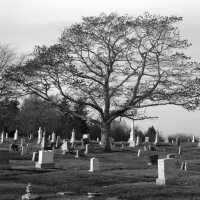
"They Rest in Peace" | Eastport Sentinel, August 4, 1880, p.2 | Hillside Cemetery | High Street, Eastport, Maine
Eastport, Maine • From Eastport Sentinel, August 4, 1880, p.2.c,4-5: “They Rest in Peace. — In our recent notices of the industries of the town and people who are now active in its business pursuits we are reminded of many familiar faces seen upon the streets in years gone by, but now are no more. Their stores, offices, and places of business have new occupants. Most of the old citizens are gone. Where are they? we must visit the cemetery to read their names upon the monuments and head stones. It is the Sabbath day stillness while we tread lightly over the sacred grounds of the departed ones. Twenty years have passed away since we last visited the spot, and saw the sod turned back to cover all that remained on earth of one we loved. How fast time flies, and in its rapid flight our friends pass away. The old burial place is fast falling up. It is estimated that the population of silent inmates of the cemetery out number the inhabitants of the town. There is much of interest in the history of the cemetery of Eastport, in it could be written as old historians on other local matters have done before. The grounds of the cemetery are beautifully located. Nature seems to have especially designed them for a peaceful resting place for the dead. Added to her rich adornings the enterprising ladies of the town a few years ago, by fair and generous contributions raised $500 for fitting up and decorating the grounds, and from year to year since, large improvements have been made. While standing beside an old moss grown, slate stone slab, we read the name of “Walter St. John Esq., Lieut. 102d Reg.t Died May 29, 1818. The town was then in possession of the British. Close beside his grave is Thomas Raymond’s Master in His Majesty’s Royal Navy, born at Aldoborough, Suffolk, England, died Sept. 27, 1817. The remains of, these two persons were removed from the old grave yard of 1820, a short time ago leaving only one grave, marked by a slate stone, erected by the Eastport Mechanics Association to the memory of Henry S. Pitman aged 27 years, who perished from exposure on the Island of Campobello, Jan. 4, 1818. We learned from the late Joseph Gunnison and John Hinkley, a short time previous to their demise, the name of the first person interred in the cemetery of to-day. He was the brother of the late Thomas Haycock, and died in the year 1820. Messrs. Gunnison and Hinkley were at the time of the reporter’s interview, probably the only persons living who were present at Mr. Haycock’s funeral. From the elevated grounds in the locality of the first graves a fine view of Head Harbor and the river looking towards Pembroke and Dennysville is given. The eastern portion of the ground is occupied by the Catholics, formerly it was their place of burial. Near it is a stone marking a soldier’s grave who died at Fort Sullivan in the year 1827. In a lot enclosed by a rustac fence appears the name of “Jackman” aged 97 years, died in 1817. In the same lot is a beautiful red granite stone, with the name of Robert Kerr. The stone is highly polished and very attractive. The slab was obtained from Magaguadavic quarry. There are a number of beautiful monuments, prominent among them is one erected by the citizens and comrads[?typo, “comrades”] of company K. to the memory of Capt. Thomas Roach and members of the 6th Maine Regiment who died in the service of our country. The honored fame of Captain Roach is still sacred among the surviving comrades. The G.A.R. post bear it upon their escutcheon. The name of a highly esteemed friend of school boy days, Geo. W. Sabine, Major of the First Maine Heavy Artillery, recalls incidents in the days of the rebellion which have been effaced from memory. In the death of Major Sabine, Eastport lost one of its best young men.(Major Sabine was a noble man, a brave soldier, and an exemplary christian. The inscription upon the stone, reads, “Wounded June 17, 1863, died May 28, 1864. A beautiful monument erected by the young men of Eastport in memory of Theodore Lincoln Chadbourne son of the late I.R. Chadbourne, and grandson of Gen. Lincoln,(who was killed in one of the first battles at Mexico. There are a number of monuments erected to the memory of the first settlers of the town. Among them the family names of Paine, Noyes, Chapman, Hayden, Kilby, Monroe, Livermore, Andrews, Bradford, Coffin, Pike, Crosby, and scores of others meet the eye at every turn& The old tomb bearing the significant emblem of the square and compass marks the temporary resting place of departed brothers of the mystic tie. The other known as the “Shackford, Kilby and Hayden tomb.” While looking upon the old tombs and graves, the mind is carried back to days, gone by, and we seem to see the persons, whose names are before us cut in solid stone, standing erect by our side directing the work that has so successfully been done to make the grounds what they are, beautiful and attractive. When a favorable opportunity permits, we shall speak more fully of this important locality.”
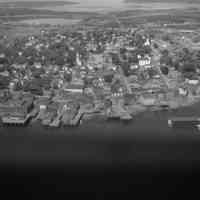
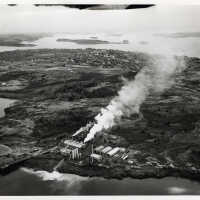
Aerial View | Broad Cove area waterfront, along Eastport, Maine. | U. S. Army Corps. of Engineers
Artist: U. S. Army Corps. of Engineers Classification: Photographs Circa: 1964 Description: Photograph taken on October 15, 1964 Old Accession Number: 1047
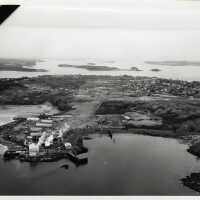
Aerial View | Broad Cove area waterfront, along Eastport, Maine. | U. S. Army Corps. of Engineers
Artist: U. S. Army Corps. of Engineers Classification: Photographs Circa: 1964 Description: Photograph taken on October 15, 1964 Old Accession Number: 1046
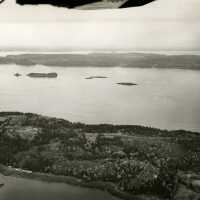
Aerial View | Campobello Island, New Brunswick looking west towards Deer Island, New Brunswick | U. S. Army Corps. of Engineers
Artist: U. S. Army Corps. of Engineers Description: October 15, 1964. Old Accession Number: 1763
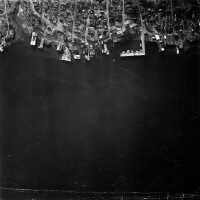
Aerial View | Eastport Harbor, Maine | U. S. Army Corps. of Engineers
Artist: U. S. Army Corps. of Engineers Classification: Photographs Circa: 1969 Description: Photograph taken on April 20, 1969 Old Accession Number: 1034
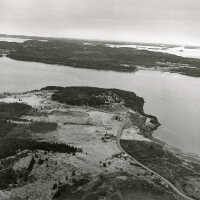
Aerial View | Kendall's Head, Eastport, Maine looking towards Deer Island, New Brunswick | U. S. Army Corps. of Engineers
Artist: U. S. Army Corps. of Engineers Description: May 1, 1957. Photograph by Corps of Engineers, U.S. Army. New England Division, File No. 52. Old Accession Number: 1764
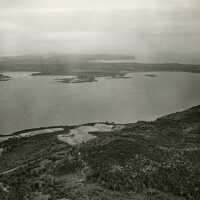
Aerial View | Looking East from West Quoddy Head, [Lubec], Maine towards Campobello Island, New Brunswick | U. S. Army Corps. of Engineers
Artist: U. S. Army Corps. of Engineers Description: October 15, 1964. Old Accession Number: 1753
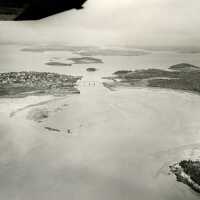
Aerial View | Looking North to Lubec Narrows with Left to Right, Lubec, Maine; International Bridge; and Campobello Island, New Brunswick | U. S. Army Corps. of Engineers
Artist: U. S. Army Corps. of Engineers Old Accession Number: 1754
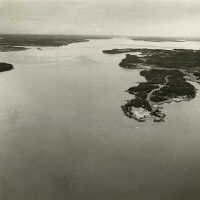
Aerial View | Looking North towards Deer Island Point, New Brunswick | U. S. Army Corps. of Engineers
Artist: U. S. Army Corps. of Engineers Description: May 1, 1957. Old Accession Number: 1750
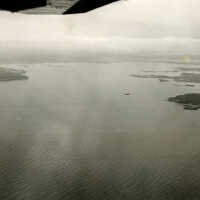
Aerial View | Looking North with West Quoddy Head, [Lubec], Maine at Left and Campobello Island, New Brunswick at Right | U. S. Army Corps. of Engineers
Artist: U. S. Army Corps. of Engineers Description: October 15, 1964. Old Accession Number: 1751
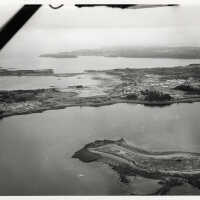
Aerial View | Looking Northeast at site for Power House No. 2 | U. S. Army Corps. of Engineers
Artist: U. S. Army Corps. of Engineers Classification: Photographs Circa: 1964 Description: Photograph taken on October 15, 1964 Old Accession Number: 1042
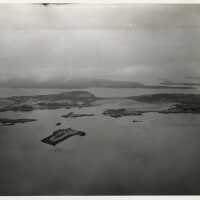
Aerial View | Looking Northeast at the site of Fifty Unit Powerhouse in Carrying Place Cove. | U. S. Army Corps. of Engineers
Artist: U. S. Army Corps. of Engineers Classification: Photographs Circa: 1964 Description: Photograph taken on October 15, 1964 Old Accession Number: 1039
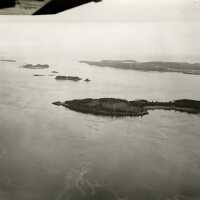
Aerial View | Looking Northeast from Indian Island, New Brunswick to Campobello Island, New Brunswick | U. S. Army Corps. of Engineers
Artist: U. S. Army Corps. of Engineers Description: October 15, 1964. Old Accession Number: 1762
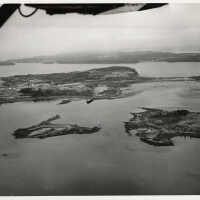
Aerial View | Looking Northeast toward area West of Eastport, Maine | U. S. Army Corps. of Engineers
Artist: U. S. Army Corps. of Engineers Classification: Photographs Circa: 1964 Description: Photograph taken on October 15, 1964 Old Accession Number: 1041
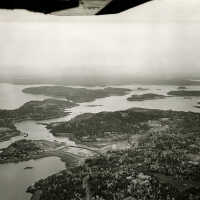
Aerial View | Looking Northeaterly from North End of Deer Island, New Brunswick towards Pendleton and McMaster Islands, New Brunswick and Letete Passage, New Brunswick | U. S. Army Corps. of Engineers
Artist: U. S. Army Corps. of Engineers Description: October 15, 1964. Old Accession Number: 1749
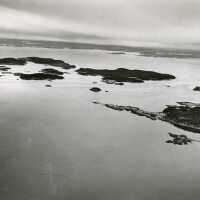
Aerial View | Looking Northwest towards Letete Passage, New Brunswick | U. S. Army Corps. of Engineers
Artist: U. S. Army Corps. of Engineers Description: May 1, 1957. Old Accession Number: 1757
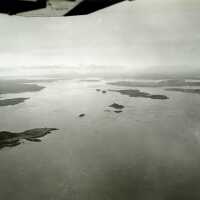
Aerial View | Looking South at Head Harbour Passage with Campobello Island, New Brunswick at left and Indian and Deer Islands, New Brunswick at right | U. S. Army Corps. of Engineers
Artist: U. S. Army Corps. of Engineers Description: October 15, 1964. Old Accession Number: 1769
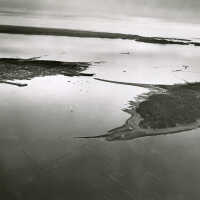
Aerial View | Looking South at St. Andrews, New Brunswick at Left, Navy Island, New Brunswick at Right towards Deer Island, New Brunswick in Distance | U. S. Army Corps. of Engineers
Artist: U. S. Army Corps. of Engineers Description: May 1, 1957. Old Accession Number: 1744
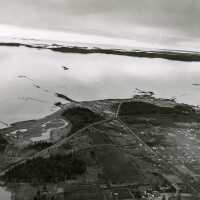
Aerial View | Looking South from St. Andrews, New Brunswick towards Deer Island, New Brunswick | U. S. Army Corps. of Engineers
Artist: U. S. Army Corps. of Engineers Description: May 1, 1957. Old Accession Number: 1758
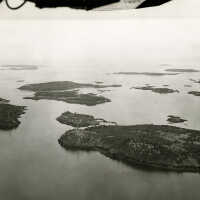
Aerial View | Looking Southeast at Letete Passage, New Brunswick between McMaster and Pendleton Islands, New Brunswick | U. S. Army Corps. of Engineers
Artist: U. S. Army Corps. of Engineers Description: October 15, 1964. Old Accession Number: 1748
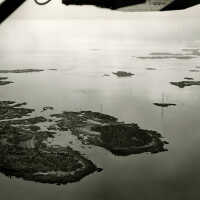
Aerial View | Looking Southeast at Letete Passage, New Brunswick with Mathew and Thum Islands, New Brunswick | U. S. Army Corps. of Engineers
Artist: U. S. Army Corps. of Engineers Description: October 15, 1964. Old Accession Number: 1747
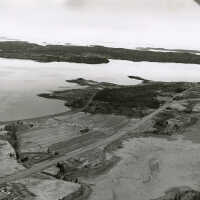
Aerial View | Looking Southeast from Sipayik/Pleasant Point, Maine towards Deer Island, New Brunswick | U. S. Army Corps. of Engineers
Artist: U. S. Army Corps. of Engineers Description: May 1, 1957. Old Accession Number: 1743 Passamaquoddy
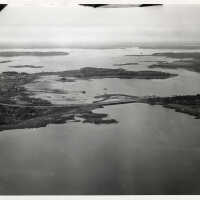
Aerial View | Looking Southwest at site for Powerhouse No. 2 & Carlow Island Dam. | U. S. Army Corps. of Engineers
Artist: U. S. Army Corps. of Engineers Classification: Photographs Circa: 1964 Description: Photograph taken on October 15, 1964 Old Accession Number: 1043
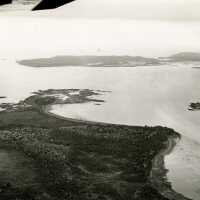
Aerial View | Looking Southwest from Campobello Island, New Brunswick towards West Quoddy Head, [Lubec], Maine | U. S. Army Corps. of Engineers
Artist: U. S. Army Corps. of Engineers Description: October 15, 1964. Old Accession Number: 1752
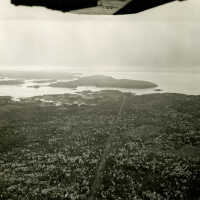
Aerial View | Looking Southwesterly to Letete Passage, New Brunswick from mainland New Brunswick | U. S. Army Corps. of Engineers
Artist: U. S. Army Corps. of Engineers Description: October 15, 1964. Old Accession Number: 1745
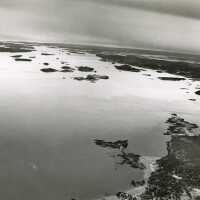
Aerial View | Looking Towards Letete Passage, New Brunswick | U. S. Army Corps. of Engineers
Artist: U. S. Army Corps. of Engineers Description: May 1, 1957. Old Accession Number 1756
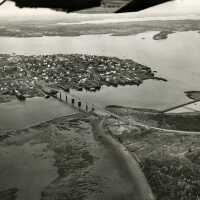
Aerial View | Looking West from Campobello Island, New Brunswick Towards International Bridge and Lubec, Maine | U. S. Army Corps. of Engineers
Artist: U. S. Army Corps. of Engineers Description: October 15, 1964. Old Accession Number: 1755
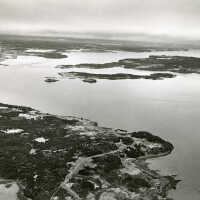
Aerial View | Looking West from Campobello Island, New Brunswick towards Indian and Deer Islands, New Brunswick | U. S. Army Corps. of Engineers
Artist: U. S. Army Corps. of Engineers Description: May 1, 1957. Old Accession Number: 1746
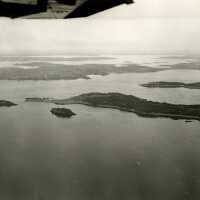
Aerial View | Looking West from Indian Island, New Brunswick towards Eastport, Maine. | U. S. Army Corps. of Engineers
Artist: U. S. Army Corps. of Engineers Description: October 15, 1964. Old Accession Number: 1759
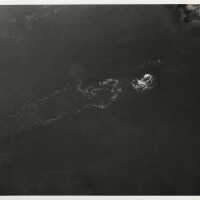
Aerial View | Looking down into "Old Sow" at tip or Deer Island, NB | U. S. Army Corps. of Engineers
Artist: U. S. Army Corps. of Engineers Circa: 1957 Description: Photograph taken on May 1, 1957 Old Accession Number: 1040
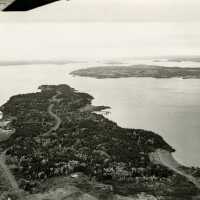
Aerial View | Looking south from Deer Island, New Brunswick towards Eastport, Maine | U. S. Army Corps. of Engineers
Artist: U. S. Army Corps. of Engineers Description: October 15, 1964. Old Accession Number: 1760
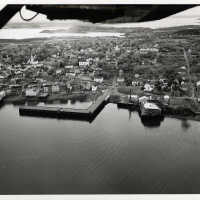
Aerial View | New Breakwater and Town Pier at Eastport, Maine | U.S. Army Corps. of Engineers
Artist: U.S. Army Corps. of Engineers Classification: Photographs Circa: 1964 Description: Photograph taken on October 15, 1964 Old Accession Number: 1037
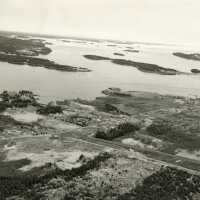
Aerial View | North End, Eastport, Maine looking north towards Deer, Indian, and Campobello Islands, New Brunswick | U. S. Army Corps. of Engineers
Artist: U. S. Army Corps. of Engineers Description: May 1, 1957. Old Accession Number: 1761
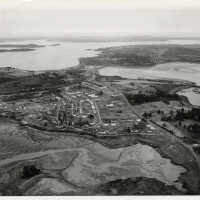
Aerial View | Quoddy Village, Maine | U.S. Army Corps. of Engineers
Artist: U.S. Army Corps. of Engineers Classification: Photographs Circa: 1964 Description: Photograph taken on October 15, 1964 Old Accession Number: 1035
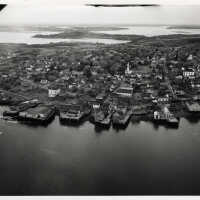
Aerial View | Waterfront Eastport, Maine. Looking West | U. S. Army Corps. of Engineers
Artist: U. S. Army Corps. of Engineers Classification: Photographs Circa: 1964 Description: Photograph taken on October 15, 1964 Old Accession Number: 1038
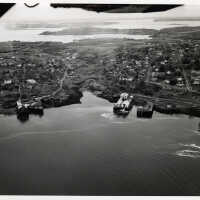
Aerial View | Waterfront Eastport, Maine. Looking West. | U. S. Army Corps. of Engineers
Artist: U. S. Army Corps. of Engineers Classification: Photographs Circa: 1964 Description: Photograph taken on October 15, 1964 Old Accession Number: 1045
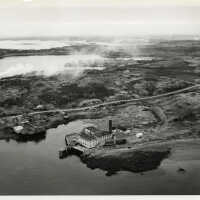
Aerial View | Waterfront Eastport, Maine. Prince Cove | U.S. Army Corps. of Engineers
Artist: U.S. Army Corps. of Engineers Classification: Photographs Circa: 1964 Description: Photograph taken on October 15, 1964 Old Accession Number: 1036
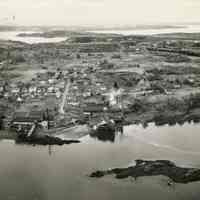
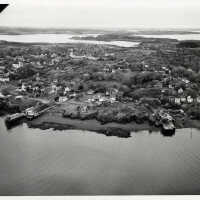
Aerial View | Waterfront along Eastport, Maine. Todd Head. | U. S. Army Corps. of Engineers
Artist: U. S. Army Corps. of Engineers Classification: Photographs Circa: 1964 Description: Photograph taken on October 15, 1964 Old Accession Number: 1044
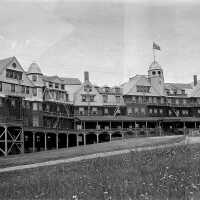
Algonquin Hotel, St. Andrews, New Brunswick | Roscoe Emery
Artist: Roscoe Emery Classification: Photographs Circa: 1910 Old Accession Number: 1629 Description: Photograph of the original Algonquin Hotel, St. Andrews, New Brunswick. The original Algonquin Hotel was built in 1889 and burned down in 1914.
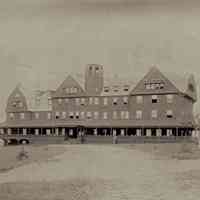
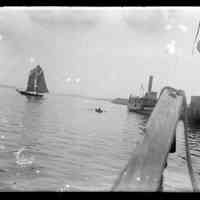
Along the Eastport, Maine Waterfront, c. 1900 | Furman 2
Photograph from glass plate negative from John Pike Grady's house, 1 Adams Street, Eastport, Maine. Gift of Ross Y. Furman, 2025. Part of the Ross Y. Furman Advance Collection.
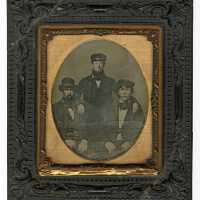
Ambrotype Photograph in Original Gutta Purcha Case, c.1860 | Photographer Once Known
EARLY PORTRAIT, C.1860! An exquisite early framed ambrotype photo portrait in our collections that dates to about 1860. We don't know who the three young men are, perhaps brothers. The portrait came down through generations of a long time family in this region and then was gifted to us several years ago along with a large collection of other ambrotype and tintype portraits of the same family.
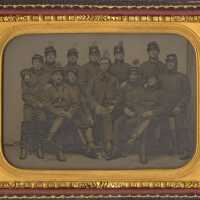
Ambrotype Photograph of First Maine Cavalry Civil War Veterans, c. 1860 | Photographer Once Known
FIRST MAINE CAVALRY, CIVIL WAR, EARLY 1860s! Period American Civil War ambrotype photograph that was recently donated to our collections that shows soldiers from Eastport, Maine in the First Maine Cavalry of the Union Army. Photograph dates to the early 1860s. We’re not sure if all 12 men in the photograph are from Eastport, but eight are identified as being from Eastport. Left to right, unidentified, Ebed Shackford, James Williams, George Andrews (standing), unidentified (seated), James Stayner, Andrew Bibber, Hugh Thompson, Loring Bell, unidentified (standing), Charles Bell (seated), unidentified.
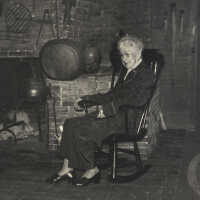
Anna Lincoln sitting in front of massive fireplace in the historic Lincoln house, Dennysville, Maine | c.1950
https://www.findagrave.com/memorial/135266620/anna-maxwell-lincoln: Anna Maxwell Brown Lincoln BIRTH 1857 Scotland DEATH 1951 (aged 93–94) Dennysville, Washington County, Maine, USA BURIAL Dennysville Cemetery Dennysville, Washington County, Maine, USA
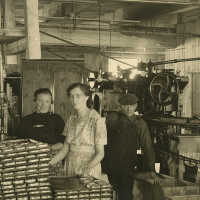
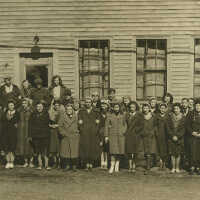
B. H. Wilson Sardine Factory, Eastport, Maine | [No Artist Defined]
Old Accession Number: 1607
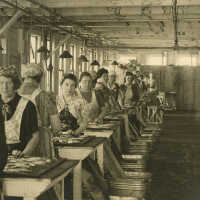
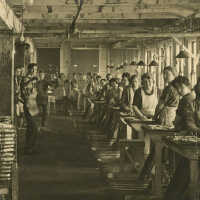
B.H. Wilson Sardine Factory, Eastport, Maine |
Old Accession Number: 1609
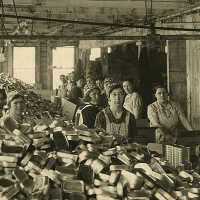
B.H. Wilson Sardine Factory, Eastport, Maine | [No Artist Defined]
Old Accession Number: 1608
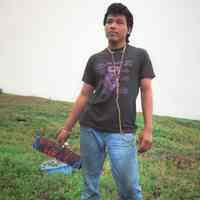
B.H. Wilson Sardine Factory, Eastport, Maine | [No Artist Defined]
Old Accession Number: 1606
B.H. Wilson Sardine Factory, Eastport, Maine | [No Artist Defined]
Old Accession Number: 1605
Barbara Goodbody | Raker from Hell | Midcoast Maine | 1995
Barbara Goodbody. Raker from Hell. Midcoast Maine. 1995. Ink jet print, 55 x 36 inches. Gift of the photographer.
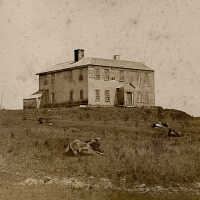
Benedict Arnold's House, Campobello Island, New Brunswick | Davis Loring
Artist: Davis Loring Classification: Photographs Circa: 1870 Old Accession Number: 1741 When we posted the photo of Arnold's house on our facebook page on March 20, 2014, we got this response: Carolyn van Beek-Outwin My grandfather, Edward Owen North, was paid some $20 (?) dollars to pull this house down around 1905 or so. It was in such poor condition, it was feared that anyone entering the building would be hurt, or killed. The house was located on Campobello where the look out is at Friar' Head. As you drive up to the look out, to your right is a flat piece of ground. That's where the house was. It looks isolated because there are no trees around it, and indeed at the time there were few trees on the island. Someone also replied that there was a painting of Arnold's house in the museum part of the Campobello library.
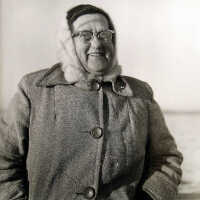
Berenice Abbott (1898-1991) | Lovina Faulkingham | c.1960
An original silver gelatin photograph print by noted American photographer, Berenice Abbott, of Lavina Faulkingham of Washington County, Maine. The photograph was taken in about 1960. Little is known about Lavina Faulkingham at this point. Berencie Abbott was one of the most important American photographers of the 20th century. Born in Springfield, Ohio in 1898, she moved to New York City in 1918. There she connected with Marcel Duchamp and Man Ray, leaders of the American avant-garde. Three years later she moved to Paris where she master the art of photography while serving as an assistant at the Man Ray Studio. In 1926, she had her first solo show of her photography in Paris. It was while at the Man Ray Studio, that Abbott first saw the photographs of Eugene Atget and after Atget’s death in 1927, she worked with Julien Levy of New York City to acquire most of Atget’s negatives and prints. She would bring these negatives and prints with her on her return to New York City in 1929, preserving them there in an archive, and promoting Atget’s work for years to come. With the onset of the Great Depression, Abbott began to document the life of New York City through her photography, an effort that resulted in 1939 in a traveling exhibition and accompanying book, Changing New York. In the early 1960s, Abbott moved to Maine that she had grown to love and settled in the small town of Monson in the Maine North Woods. She soon developed an extended series of photographs documenting life in Maine. This new body of work was published 1968 in her book, Portrait of Maine, done in collaboration with writer, Chenoweth Hall. The Tides Institute acquired Abbott’s photograph of Lavina Faulkingham from the Aucocisco Galleries of Portland, Maine in 2004. Photo caption: Original silver gelatin photograph print by noted American photographer, Berenice Abbott, of Lavina Faulkingham of Washington County, Maine. The photograph was taken in about 1960. Artist: Berenice Abbott Medium: Photograph Classification: Photographs Old Accession Number: 184
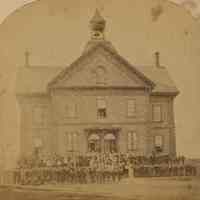
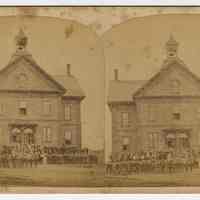
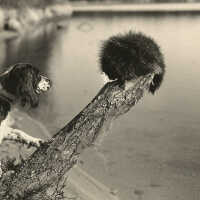
Capt. Stubbs, _____ Spaniel given him by _________ | William Lyman Underwood
Artist: William Lyman Underwood Medium: Photograph Circa: 1896 Old Accession Number: 1434 Description Capt. Stubbs, ____ Spaniel given him by ____
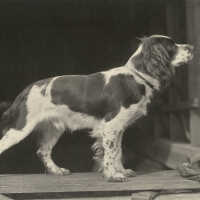
Captain Stubs in a Pointing Pose [Duck Lake, Maine] | William Lyman Underwood
Artist: William Lyman Underwood Medium: Photograph Circa: 1896 Old Accession Number: 612 Description: Captain Stubs in a Pointing Pose. Duck Lake
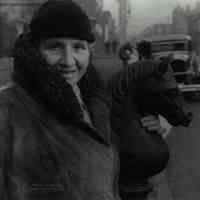
Carl Van Vechten (1880-1964) | Gertrude Stein | 1935
Carl Van Vechten. Photograph of Gertrude Stein, Richmond, Virginia with an old hitching post. Gift of John C. Fitzpatrick, 2017.
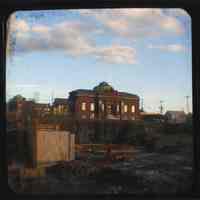
Carnegie Library Building, Saint John, New Brunswick | Adam Graham
Artist: Adam Graham Medium: Photograph Circa: 2007
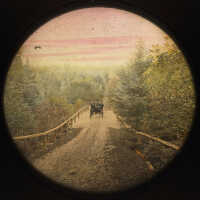
Carriage Scene, Campobello Island, New Brunswick
Classification: Glass Lantern Slide Circa: 1890 Old Accession Number: 1636 Description: Color Glass Slide.
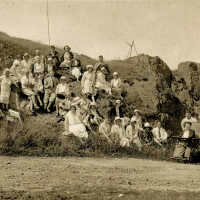
Cecil Greenlaw (1890-1962) | Art School Class, Eastport, Maine
Artist: Cecil Greenlaw Classification: Photographs Circa: 1930 Old Accession Number: 1691
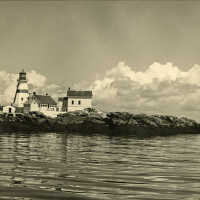
Cecil Greenlaw (1890-1962) | East Quoddy Head Lighthouse, Campobello Island, New Brunswick | 1954
Artist: Cecil Greenlaw Classification: Photographs Circa: 1954 Old Accession Number: 1617
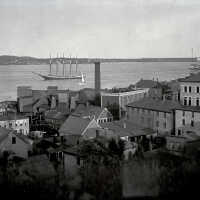
Cecil Greenlaw (1890-1962) | Eastport, Maine. Looking Southeast from Fort Hill towards Waterfront
Artist: Cecil Greenlaw Classification: Photographs Circa: 1925 Old Accession Number: 1768
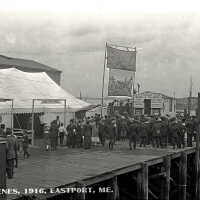
Cecil Greenlaw (1890-1962) | Fish Fair Scene, Eastport, Maine | 1916
Artist: Cecil Greenlaw Classification: Photographs Circa: 1916 Old Accession Number: 1767
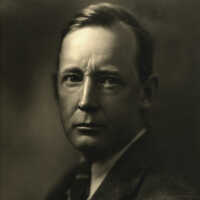
Cecil Greenlaw (1890-1962) | George Pearse Ennis | 1926
Artist: Cecil Greenlaw Medium: Photograph Classification: Photographs Circa: 1926 Gift of John "Terry" Holt. Old Accession Number: 263 Dimensions: 16 3/4" w x 20 3/4" h (framed)
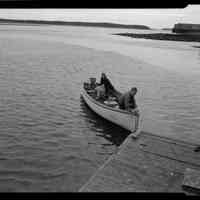
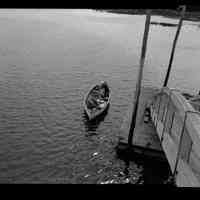
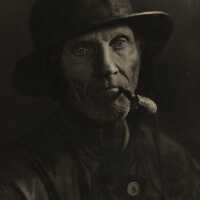
Cecil Greenlaw (1890-1962) | Lighthouse Keeper | 1939
Artist: Cecil Greenlaw Classification: Photographs Circa: 1939 Old Accession Number: 1348 Description: James and Mary Bates Collection. Hollis Matthews said on June 28, 2013 that the photograph was of Alf Holland.
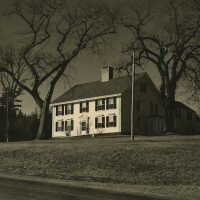
Cecil Greenlaw (1890-1962) | Lincoln House, Dennysville, Maine
Artist: Cecil Greenlaw Medium: Photograph Classification: Photographs Circa: 1961 Gift of John "Terry" Holt. Old Accession Number: 262
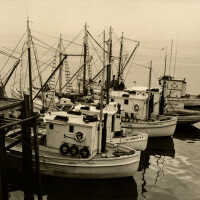
Cecil Greenlaw (1890-1962) | Quoddy Fishing Boats | 1955
Artist: Cecil Greenlaw Classification: Photographs Circa: 1955 Old Accession Number: 1349 Description: James and Mary Bates Collection
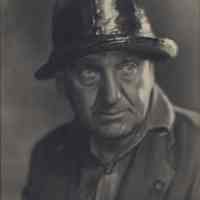
Cecil Greenlaw (1890-1962) | Souwest Bill | 1933
Comments from facebook post of photograph, September 4, 2024: Allan Sutherland My great uncle, grandmother Loitie Stuart Sutherland’s brother Billy Stuart , WW 1 Machine Gunner Veteran, ( notice the lapel pin ) Character Study by Cecil exhibited at the 61st Intern’l Salon of Photography, American Museum of Natural History May 1, to Oct. 31st in connection with the 1939 New York World’s Fair. Robin Stuart I think his name is Bill Stewart not sure but remember family members talking about him
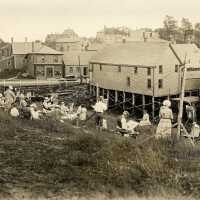
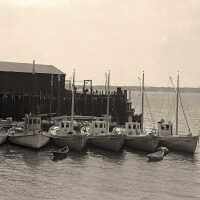
Cecil Greenlaw (1890-1962) | Wharf Scene, Eastport, Maine Waterfront
Artist: Cecil Greenlaw Classification: Photographs Circa: 1930 Old Accession Number: 1766 Description: Color #s: 54, 39, 49.
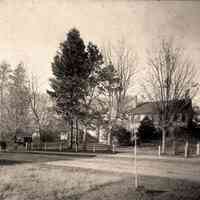
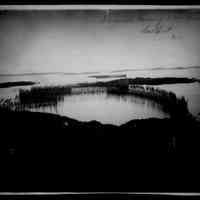
Channel Herring Weir Near Eastport, Maine
National Archive Number:
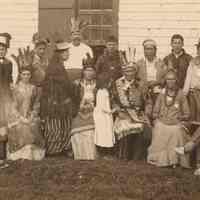
Charles E. Brown | Portrait of Members of the Peskotomuhkati/Passamaquoddy Tribe, Sipayik (Pleasant Point), Maine | c.1890
Portrait of Members of the Peskotomuhkati/Passamaquoddy Tribe, Sipayik (Pleasant Point), Maine, c.1890. Photograph by Charles E. Brown of Eastport, Maine.
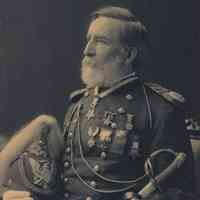
Charles H. Smith
Photograph of Charles H. Smith. Placed on permanent loan in 2025 by the Eastport Library Association in Eastport, Maine. Loan Agreement is on file. From Collection of Charles Henry Smith Materials, Colby College Special Collections, Waterville, Maine: Charles Henry Smith was born on November 1, 1827 in Hollis, Maine. He graduated from Waterville (Colby) College in 1856, and became the principal of Eastport High School until 1860. After the call for Volunteers to serve in the Civil War, Smith enlisted and was recruited Captain of Company D of the 1st Maine Cavalry in 1861. He was made Major, Lieutenant Colonel, and then Colonel in 1863. He was in command of the 1st Maine Cavalry at Gettysburg. He was mustered out of the 1st Maine Cavalry in August of 1865. After discharge from the Civil War, he was a lawyer in Eastport from 1865-1866, and also served in the Maine Senate in 1866. He reentered the regular army after the Civil War and remained until his retirement in 1891. He commanded forts at Fort Lyon, Colorado; Fort Leavenworth, Kansas; Fort Brown, Texas; and was in command of all the troops around New Orleans during the Reconstruction riots in 1872. In 1879 he was in command of troops to expel invading Kansas settlers from the Indian Territory. In 1895 he received the Congressional Medal of Honor for gallant and meritorious service in the Battle of St. Mary's Church, June 1864, where he was severely wounded in the thigh. He died in Washington, DC in July of 1902, and is buried in Arlington Cemetery with high military honors. The Smith Collection contains various materials gathered about Charles Henry Smith, including correspondence during and post-Civil War years - primarily documenting his service in the US Army - with both Maine and non-Maine military and political personalities, such as: David M. Gregg, Oliver Otis Howard, Harris Merrill Plaisted, Eugene Hale, John L. Hodsdon, J.A. Milliken, W.E. Miller, E.R. Platt, F.A. Pike, Joshua Lawrence Chamberlain, E.O.C. Ord, and others, as well as some descriptions from the field written by Smith to various military figures. The collection also contains several personal documents, including diplomas, military and legal appointments, certificates of membership in various associations, and application for the medal of honor. The collection also contains several 1st Maine Cavalry artifacts.
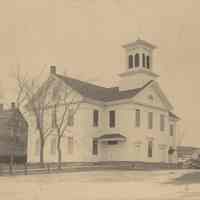
Cherryfield, Maine House | [No Artist Defined]
Classification: Photographs Circa: 1880 Old Accession Number: 1721 Description: South Water Street.
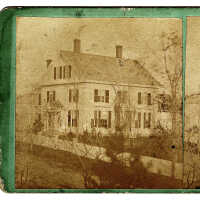
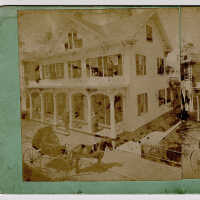
Cherryfield, Maine House | [No Artist Defined]
Classification: Photographs Circa: 1880 Old Accession Number: 1720 Description: On back of card reads: Residence of Hon. Alexander Campbell, Cherryfield, Maine.
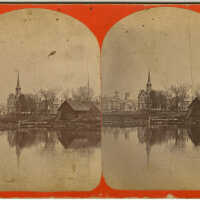
Cherryfield, Maine | L. Wasgatt
Artist: L. Wasgatt Classification: Photographs Old Accession Number: 1390 Description: Photographed and Published by L. Wasgatt, Cherryfield, Maine.
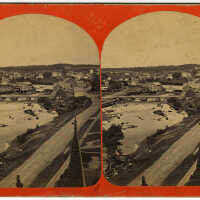
Cherryfield, Maine | L. Wasgatt
Artist: L. Wasgatt Description: Photographed and Published by L. Wasgatt, Cherryfield, Maine Old Accession Number: 974
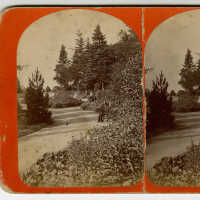
Cherryfield, Maine | Lycurgus Wasgatt
Artist: Lycurgus Wasgatt Medium: Stereoview Classification: Photographs Circa: 1880 Old Accession Number: 1795
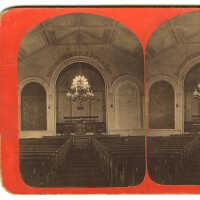
Cherryfield, Maine | Lycurgus Wasgatt
Artist: Lycurgus Wasgatt Medium: Stereoview Classification: Photographs Circa: 1880 Old Accession Number: 1794
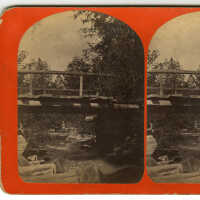
Cherryfield, Maine | Lycurgus Wasgatt
Artist: Lycurgus Wasgatt Medium: Stereoview Classification: Photographs Circa: 1880 Old Accession Number: 1793
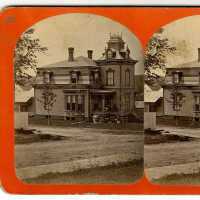
Cherryfield, Maine | Lycurgus Wasgatt
Artist: Lycurgus Wasgatt Medium: Stereoview Classification: Photographs Circa: 1880 Old Accession Number: 1792
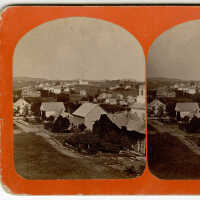
Cherryfield, Maine | Lycurgus Wasgatt
Artist: Lycurgus Wasgatt Medium: Stereoview Classification: Photographs Circa: 1880 Old Accession Number: 1791
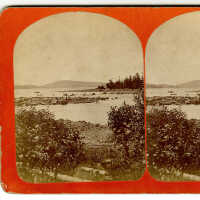
Cherryfield, Maine | Lycurgus Wasgatt
Artist: Lycurgus Wasgatt Medium: Stereoview Classification: Photographs Circa: 1880 Old Accession Number: 1790
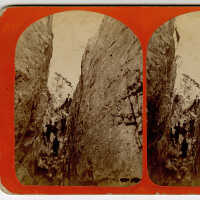
Cherryfield, Maine | Lycurgus Wasgatt
Artist: Lycurgus Wasgatt Medium: Stereoview Classification: Photographs Circa: 1880 Old Accession Number: 1789
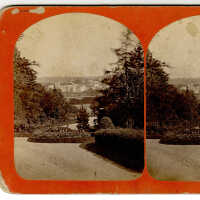
Cherryfield, Maine | Lycurgus Wasgatt
Artist: Lycurgus Wasgatt Medium: Stereoview Classification: Photographs Circa: 1880 Old Accession Number: 1788
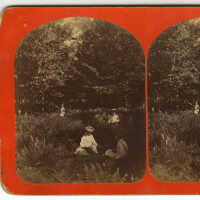
Cherryfield, Maine | Lycurgus Wasgatt
Artist: Lycurgus Wasgatt Medium: Stereoview Classification: Photographs Circa: 1880 Old Accession Number: 1787
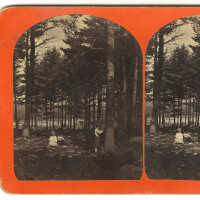
Cherryfield, Maine | Lycurgus Wasgatt
Artist: Lycurgus Wasgatt Medium: Stereoview Classification: Photographs Circa: 1880 Old Accession Number: 1786
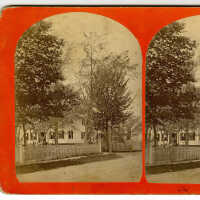
Cherryfield, Maine | Lycurgus Wasgatt
Artist: Lycurgus Wasgatt Medium: Stereoview Classification: Photographs Circa: 1880 Old Accession Number: 1785
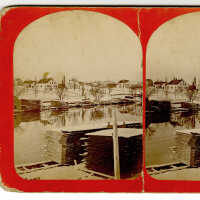
Cherryfield, Maine | Lycurgus Wasgatt
Artist: Lycurgus Wasgatt Medium: Stereoview Classification: Photographs Circa: 1880 Old Accession Number: 1784
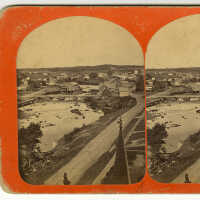
Cherryfield, Maine | Lycurgus Wasgatt
Artist: Lycurgus Wasgatt Medium: Stereoview Classification: Photographs Circa: 1880 Old Accession Number: 1783
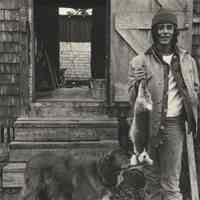
Christian Sunde | Tripp Ridge, Trescott, Maine | 1978
Gift from the estate of the photographer, Christian Sunde, 2024. Obituary for Christian Sunde—https://www.maysfuneralhome.com/obituaries/christian-sunde: Christian Gunnar Sunde 1939 - 2022 Christian was born on May 16th, 1939 and passed away on April 5th, 2022 at the age of 82 Photo of Christian Gunnar Sunde Trescott - Christian Gunnar Sunde died in Eastport, Maine, on April 5, 2022. He was born May 16, 1939, in New York City and grew up in Brooklyn. He graduated from James Madison High School in Brooklyn, where he was a member of the swim team and boxed in the Golden Gloves. He subsequently graduated from Franklin and Marshall College in Pennsylvania in 1960 and then moved back to NYC and worked at Pratt Institute as a member of the photography faculty. He continued to be a photographer throughout his life, and his work has been published in a Time-Life book and shown in numerous exhibitions. In the early 1970s he moved to Washington County, Maine, as a homesteading “back-to-the-lander” with his family. The family bought land in Trescott and built their own house there. He worked as an English teacher at Narraguagus High School, then went on to work as a professional photographer and as a carpenter. He went to Gabon, Africa, as a member of the Peace Corps, and took many extraordinary photographs there, as he did on self-financed photography tours in Central America and Mexico. He led a life of adventure and had a lifelong love of the woods. He was predeceased by his parents Gunnar Thorbjorn Sunde and Mona Ingrid (Olander) Sunde, as well as by Glenn Bevers, a stepson. He is survived by his three sons Christian Albert Sunde (Britta), Luke Thorbjorn Sunde (Rosie), and Jacob Lee Sunde, numerous grandchildren, a stepdaughter Denise (Bevers) Ciocci, and his sister Mona Ingrid (Sunde) Love and her husband William Love and their daughter Mona Ingrid (Katrin) Gambill. At Christian’s request, there will be no funeral. Arrangements by Mays Funeral Home, Calais & Eastport.
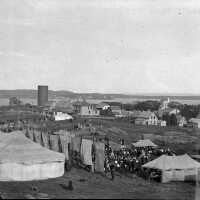
Circus, Eastport, Maine | Roscoe Emery
Artist: Roscoe Emery Classification: Photographs Circa: 1915 Old Accession Number: 1643
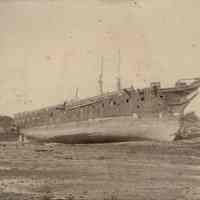
Civil War Ship, U.S.S. Minnesota | Broad Cove, Eastport, Maine | 1901
Photograph of the U.S.S. Minnesota at Broad Cove in Eastport, Maine just before it was burned in 1901. The Minnesota was built in 1861, a American Civil War craft of Merrimack and Monitor fame.
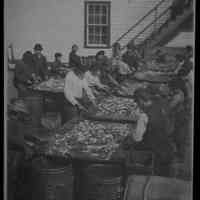
Cleaning Small Herring at Sardine Cannery, Eastport, Maine
National Archive Number: 22-CD-241
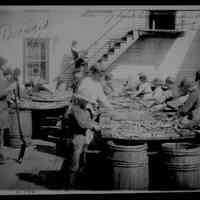
Cleaning Small Herrings at Sardine Company | Eastport, Maine
National Archive Number: 22-CD-382
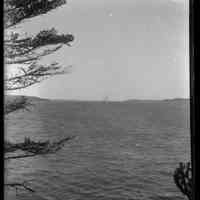
Coastal View Off Eastport, Maine, c.1900 | Furman 10
Photograph from glass plate negative from John Pike Grady's house, 1 Adams Street, Eastport, Maine. Gift of Ross Y. Furman, 2025. Part of the Ross Y. Furman Advance Collection.
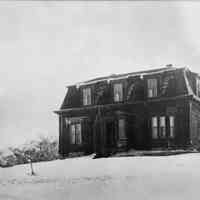
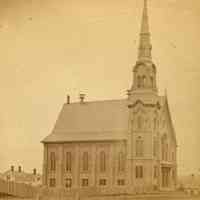
Congregational Church | Calais, Maine | c.1875
CONGREGATIONAL CHURCH, CALAIS, C.1875! Posted here is half of a stereoview photo that recently came into our collections that shows a view of the front and west side of the Congregational church building on Calais Avenue in Calais, Maine. Built in 1872 and dedicated in 1873, this building was the second Congregational church built in Calais (the first was built in 1826). Photo dates to about 1875 and is believed to be the work of photographer, C.E. Libby. This building burned down in 1992 and was replaced with a new modern church building that closed last year.
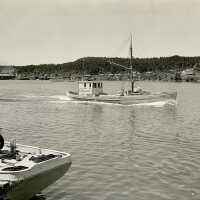
Connors Brothers, Blacks Harbour, New Brunswick
THE "ALLAN MCLEAN!" BLACKS HARBOUR! Photo dating to 1949 from our collections of the "Allan McLean" sardine carrier at Blacks Harbour, New Brunswick. The 75 foot long "Allan McLean" was part of the Connors Brothers fleet of vessels. Photo taken by Jim Karl.
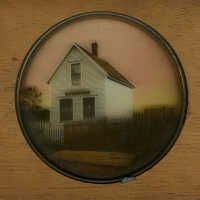
Custom House, Campobello Island, New Brunswick | [No Artist Defined]
Medium: Glass Lantern Slide Classification: Photographs Circa: 1890 Old Accession Number: 1639
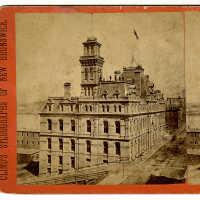
Custom House, Saint John, New Brunswick | Climo
Artist: Climo Classification: Photographs Circa: 1880 Old Accession Number: 1723
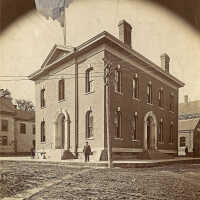
Customs House, Machias, Maine | [No Artist Defined]
Old Accession Number: 1630
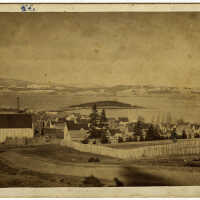
Dalhousie, New Brunswick | Archibald _?
Artist: Archibald _? Classification: Photographs Old Accession Number: 978
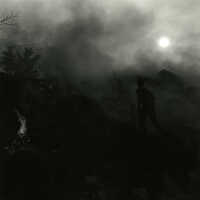
David Brooks Stess (1961- ) | Ben Burning Blueberry Ground
Artist: David B. Stess Medium: Selenium Toned Silver Print Classification: Photographs Old Accession Number: 920
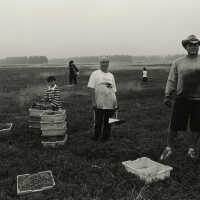
David Brooks Stess (1961- ) | Cory & Family | c.2002
A gelatin silver photographic print by photographer, David Stess, titled “Corry and Family and Crew, Northeastern Blueberry.” The photograph was taken on the wild blueberry barrens of Washington County, Maine and dates to about 2002. Stess was born in New Jersey and raised in Florida. He then attended the University of Miami where he studied history, film, and photography. He has spent more than 25 years documenting the yearly blueberry harvest in Washington County during a time when the blueberry industry was undergoing momentous change, from an over a century long entirely traditional hand raked harvesting process to an almost entirely mechanized harvesting process. A participant photographer, Stess not only has photographed the harvest and its workers annually for many year, but he has worked and lived right along side workers harvesting the blueberries on the barrens. This extended intimacy with the workers and the harvest, has allowed Stess to capture a full spectrum of life and work on the barrens, from living in the workers camps to the actual work of harvesting the blueberries by hand rakes. In 2013, fifty of his blueberry harvest photographs were exhibited at the Portland Museum of Art in Portland, Maine. This photograph was a gift to the Tides Institute by the photographer. Photo caption: David Stess, gelatin silver photographic print, “Corry and Family and Crew, Northeastern Blueberry,” 11” x 14”, c.2002. Artist: David B. Stess Medium: Selenium Toned Silver Print Classification: Photographs Old Accession Number: 919 Description: Cory & Family. Crew. Northeastern Blueberry.
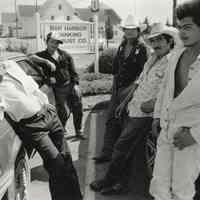
David Brooks Stess (1961- ) | David Stess 1
Gift of David Stess, New York City.
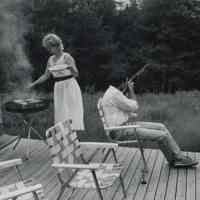
David Brooks Stess (1961- ) | David Stess 2
Gift of David Stess, New York City.
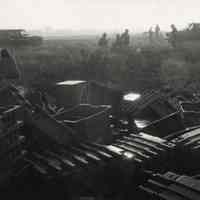
David Brooks Stess (1961- ) | David Stess 3
Gift of David Stess, New York City.
David Brooks Stess (1961- ) | David Stess 4
Gift of David Stess, New York City.
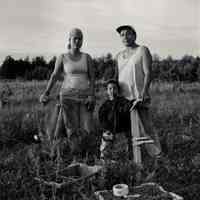
David Brooks Stess (1961- ) | Javier and His Family | Dicken's Farm, Eastbrook, Maine | 2001
Silver Gelatin Print. Family is from Mexico. Gift of the Artist
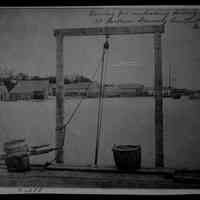
Deming for Unloading Herring at Sardine Cannery, Eastport, Miane
National Archive Number: 22-CD-398
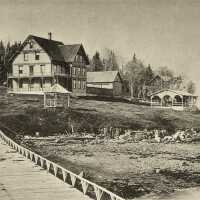
Demonts Hotel near Devil's Head, Calais, Maine, c.1896
DEMONTS HOTEL, CALAIS, 1896! Photo showing the Demonts Hotel near Devil's Head along the St. Croix River in Calais, Maine. Photo comes from a Calais, Maine souvenir photo book in our collections that dates to 1896, shortly after the hotel was built. The hotel burned in the 1920s.
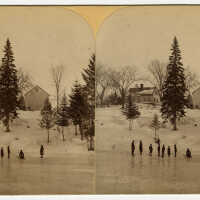
Dennys River, Dennysville, Maine | Stereoview Photograph | c.1870
Classification: Photographs Old Accession Number: 1047
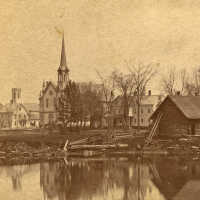
Detail of Cherryfield, Maine (1390) | L. Wasgatt
Artist: L. Wasgatt Classification: Photographs Old Accession Number: 1391 Description: Photographed and Published by L. Wasgatt, Cherryfield, Maine.
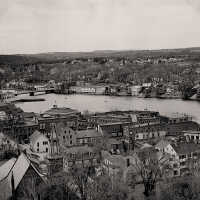
Downtown Calais, Maine with St. Croix River and St. Stephen, New Brunswick | [No Artist Defined]
Classification: Photographs Circa: 1930 Old Accession Number: 1695
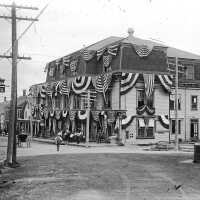
Downtown Machias, Maine | Photographer Once Known
Image scanned from a glass plate negatives in the Tides Institute & Museum of Art collections.
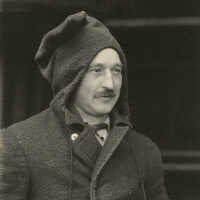
Dressed for Duck Lake, Maine | William Lyman Underwood
Artist: William Lyman Underwood Medium: Photograph Circa: 1896 Old Accession Number: 611 Description Dressed for Duck Lake, Maine
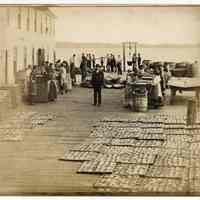
Dressing Sardines, Eastport, Maine
C 369 - National Archive Number. Part of a group of six photographs with five secured in 2024 and one in 2026. They all appear to be albumen photographic prints made from original glass plate negatives taken by T. W. Smillie for the U.S. Fisheries Commission in the early 1880s. One of the six photograph is stamped on the back: "Photograph by Brown Brothers, 1482 Broadway, New York."
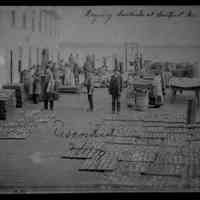
Drying Sardines at Eastport, Maine
National Archive Number: 22-CD-371
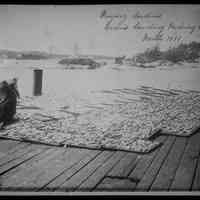
Drying Sardines, Green's Landing Packing Company, 1891
National Archive Number: 22-CD-96
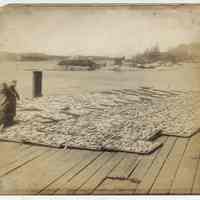
Drying Sardines, Green's Landing Packing Company, Maine
C 96 - National Archive Number. Part of a group of six photographs with five secured in 2024 and one in 2026. They all appear to be albumen photographic prints made from original glass plate negatives taken by T. W. Smillie for the U.S. Fisheries Commission in the early 1880s. One of the six photograph is stamped on the back: "Photograph by Brown Brothers, 1482 Broadway, New York."
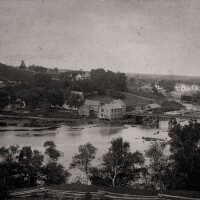
East Machias, Maine | [No Artist Defined]
Classification: Photographs Circa: 1890 Old Accession Number: 1694
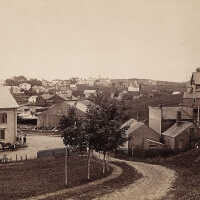
East Machias, Maine | [No Artist Defined]
Classification: Photographs Circa: 1885 Old Accession Number: 1654
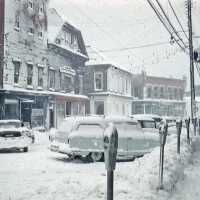
Eastport - Downtown Water Street | Joyce Emery Kinney
Photograph by Joyce Emery Kinney Classification: Photographs Circa: 1955 Old Accession Number: 1296
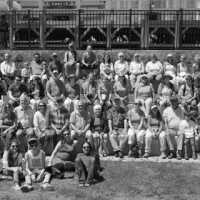
Eastport Community Portrait 2016 | Thaddeus Holownia
Artist: Thaddeus Holownia Classification: Photographs Circa: 2016 Old Accession Number: 1987
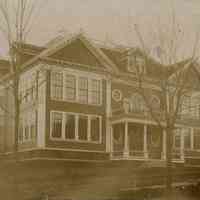
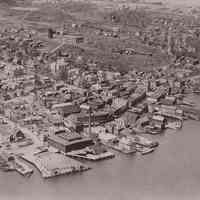
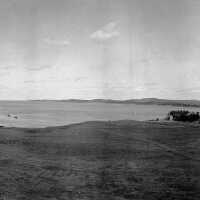
Eastport, Maine North End | [No Artist Defined]
Classification: Photographs Circa: 1900 Old Accession Number: 1678
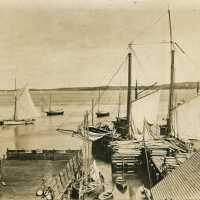
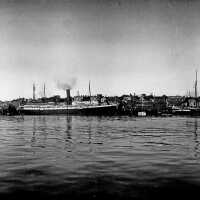
Eastport, Maine Waterfront | [No Artist Defined]
Classification: Photographs Circa: 1900 Old Accession Number: 1682
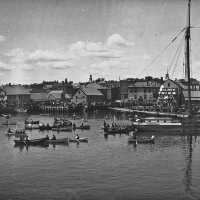
Eastport, Maine Waterfront, July 4, 1901 | [No Artist Defined]
Classification: Photographs Circa: 1901 Old Accession Number: 1689
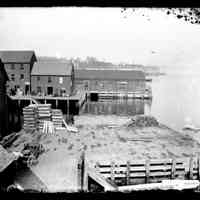
Eastport, Maine Waterfront, c. 1900. Wadsworth sign at far left. | Furman 4
Photograph from glass plate negative from John Pike Grady's house, 1 Adams Street, Eastport, Maine. Gift of Ross Y. Furman, 2025. Part of the Ross Y. Furman Advance Collection.
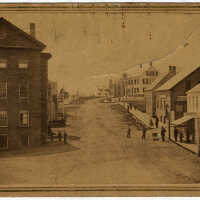
Eastport, Maine | Davis Loring
Artist: Davis Loring Classification: Photographs Circa: 1860 Description: Loring's Phtoographic Gallery, No. 2, Witherell's Block, Eastport, Me. Old Accession Number: 979
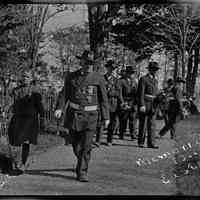
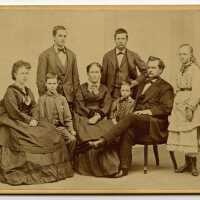
Family Portrait, Eastport, Maine | Davis Loring
Artist: Davis Loring Classification: Photographs Circa: 1860 Old Accession Number: 1770
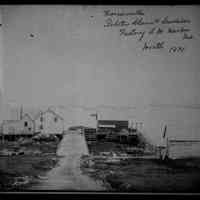
Farnsworth's Lobster Clam and Sardine Factory, Southwest Harbor, Maine 1891
National Archive Number: 22-CD-85
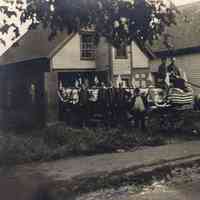
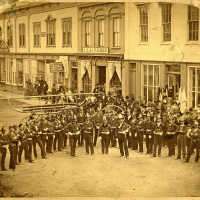
Firemen Company, Water Street, Eastport, Maine | [No Artist Defined]
Circa: 1880 Description: Eastport, Maine Old Accession Number: 1612
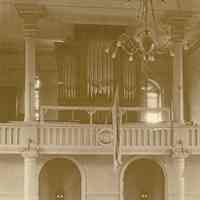
First Congregational Society (Unitarian) Church, Eastport, Maine | Shackford Street | Burned 1946
Classification: Photographs Circa: Old Accession Number: 1696 From Earle Shettleworth, Jr., Daniel Low: Eastport's Ingenious Architect (2025): By 1818 Daniel Low had established himself as an architect-builder in Eastport, bringing with him two decades of professional experience and a small but significant library of builders’ guides. Two of his books by Asher Benjamin would assist him in designing churches in Eastport. The first of these was the First Congregational Meetinghouse on Shackford Street. The foundation was laid in the fall of 1818, and the frame was raised in May 1819. On May 15, 1819, the Eastport Sentinel commented that “the whole work reflects the highest skill and fidelity of the master workman.” The building was completed by the end of 1819 at a cost of $10,343.25. Dedicated in January 1820, the First Congregational Meetinghouse was a handsome two-story frame structure that featured a tower, belfry, and spire. Its Federal style design was based on Plate 33 of Asher Benjamin’s The Country Builder’s Assistant, the 1805 edition being owned by Daniel Low. Low also had firsthand knowledge of this popular church form, having worked for Martin Cushing on Bath’s North Meetinghouse in 1802. In addition, between 1802 and 1805, Low would have witnessed the construction of Bath’s South Meetinghouse, a similar Federal style church that was designed and built by Tileston Cushing. Eastport’s new Congregational meetinghouse soon became a Unitarian church, a trend throughout New England at the time. In 1854–55 the building was extensively remodeled in the Italianate style by the noted Boston architect Gridley J.F. Bryant. It was destroyed by fire in 1946. From William Henry Kilby, Eastport and Passamaquoddy (1888): FIRST CONGREGATIONAL (UNITARIAN) CHURCH. In a preceding chapter, Mr. Sabine has given an account of the building of the first Congregational meeting-house. When completed and in accordance with the original agreement, a vote was taken to ascertain the preferences of the proprietors ; and, though a minority wished to have a minister from the Andover Theological Seminary, by a decided majority it was voted to send to Cambridge, and President Kirkland engaged Andrew Bigelow, a graduate of the class of 1814, at the time employed in the government of the college, who had not yet been ordained. He was son of Honorable Timothy Bigelow, then speaker of the Massachusetts House of Representatives. Arriving at Eastport in midwinter, he preached the sermon at the dedication of the new church, Jan. 13, 1820, Elder Samuel Rand assisting in the other services. Returning to Boston a few weeks later, he was ordained at the university chapel, President Kirkland preaching the sermon, and remained at Eastport a year longer. In those days, " the big meeting house," as it was frequently called, was used quite regularly for Fourth of July celebrations and other public occasions, its floor and deep side galleries giving accommodation for large crowds. A bell paid for by the town with some private contributions was hung in its steeple. During the pastorate of Rev. Edward H. Edes in 1831, the first church organ used in public worship in Eastern Maine was introduced here. The evening and social meetings of the society were held at private houses, at the Masonic Hall on Middle Street, or in one of the school-houses under Trescott Hall, until the rebuilding of the church during the pastorate of Rev. Henry F. Edes in 1854 and 1855. While this was being done, by the hospitality of the Washington Street Baptist Society, the regular Sunday services were continued in their vestry on Green Street. The expense of the changes in the meeting-house was about the same as the original cost of the building. The high pulpit and side galleries were removed, the floor raised, and space gained for vestry and other rooms beneath. Several years later, a convenient parsonage was built on the adjacent lot, once the parade ground of the Light Infantry and a favorite place for games of ball. A recent bequest of the late Partmon Houghton, for many years a member of the Standing Committee and superintendent of the Sunday-school, gives the parish the sum of $2,000, the income to be devoted to keeping in repair and ornamenting the house and grounds. Organization in 1888. Pastor, Rev. H. D. Catlin. Standing Committee, George F. Wadsworth, Edward E. Shead, Noel B. Nutt, Mrs. William S. Hume, Miss Anna A. Noyes. Clerk, George F. Wadsworth. Treasurer, Henry Whelpley. Sunday-school superintendent. Rev. H. D. Catlin.
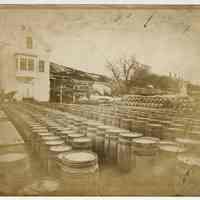
Fish Wharf Showing Barrels of Mackerel, Gloucester, Massachusetts
C 545 - National Archive Number. Part of a group of six photographs with five secured in 2024 and one in 2026. They all appear to be albumen photographic prints made from original glass plate negatives taken by T. W. Smillie for the U.S. Fisheries Commission in the early 1880s. One of the six photograph is stamped on the back: "Photograph by Brown Brothers, 1482 Broadway, New York."
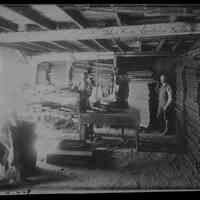
Flye Brothers Sardine Factory, Green's Landing, Maine
National Archive Number: 22-CD-229
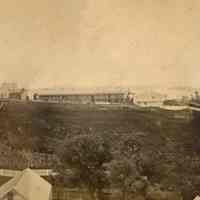
Fort Sullivan Panorama Photograph | Eastport, Maine, c.1870.
Panorama photograph of Fort Sullivan, Eastport, Maine made from digitally merging three original sequential stereo view photographs together. The three sequential stereo view photographs all date to about 1870 and are in the collections of the Tides Institute & Museum of Art.
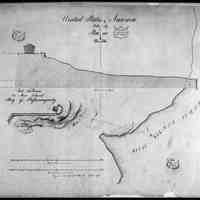
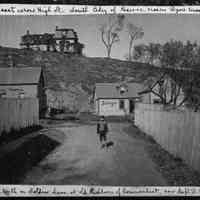
Fort Sullivan | Eastport, Maine
From copy negative from National Archives. Copy negative in collection files.

Fort Sullivan | Eastport, Maine | c.1870
FORT SULLIVAN, EASTPORT, C.1870! Detail from an extremely rare stereoview photo in our collections that shows a view of Fort Sullivan in Eastport, Maine. Photo dates to about 1870. Photo was taken from in front of the Commander's house and Officers' Quarters looking east to, left to right, the powder magazine, the soldiers barracks and the block house. Passamaquoddy Bay and Campobello Island, New Brunswick can be seen in the background. This extremely rare stereoview photo came into our collections nearly 20 years ago.
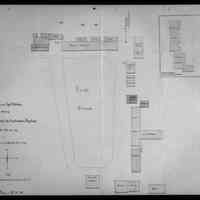
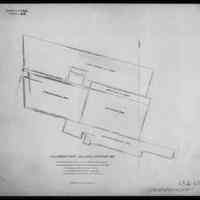
Fort Sullivan, Eastport, Maine
Plan of a part of Fort Sullivan Showing the Buildings of the Quartermasters Department. From copy negative from National Archives. Copy negative in collection files.
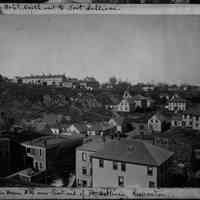
Fort Sullivan, Eastport, Maine
From copy negative from National Archives. Copy negative in collection files.
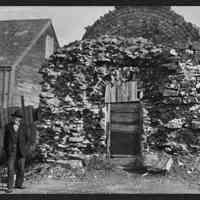
Fort Sullivan, Eastport, Maine
From copy negative from National Archives. Copy negative in collection files.
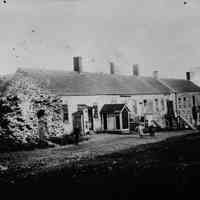
Fort Sullivan, Eastport, Maine
From copy negative from National Archives. Copy negative in collection files.
Fort Sullivan, Eastport, Maine
National Archives Record Group 77; Dr 134-62 From copy negative from National Archives. Copy negative in collection files.
Fort Sullivan, Eastport, Maine
From copy negative from National Archives. Copy negative in collection files.
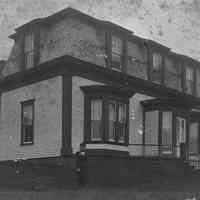
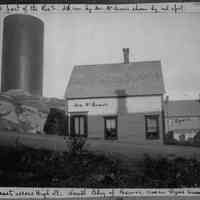
Fort Sullivan, Eastport, Maine
From copy negative from National Archives. Copy negative in collection files.
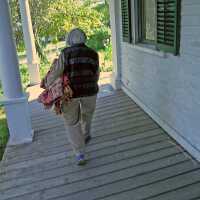
Fowler-Johnson House, Lubec, Maine | Hugh French
Photograph taken on September 21, 2005.
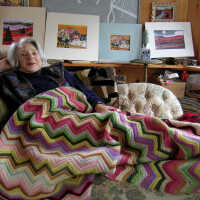
Fowler-Johnson House, Lubec, Maine | Hugh French
Photograph taken on September 17, 2005
Fowler-Johnson House, Lubec, Maine | Hugh French
Photograph taken on September 17, 2005
Fowler-Johnson House, Lubec, Maine | Hugh French
Photograph taken on September 24, 2004
Fowler-Johnson House, Lubec, Maine | Hugh French
Photograph taken on September 17, 2005
Fowler-Johnson House, Lubec, Maine | Hugh French
Photograph taken on September 24, 2004
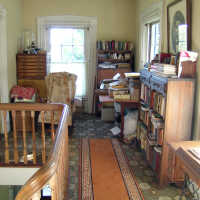
Fowler-Johnson House, Lubec, Maine | Hugh French
Photograph taken on September 24, 2004
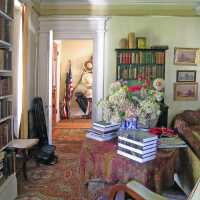
Fowler-Johnson House, Lubec, Maine | Hugh French
Photograph taken on September 24, 2004.
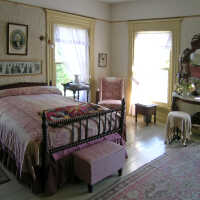
Fowler-Johnson House, Lubec, Maine | Hugh French
Photograph taken on September 24, 2004
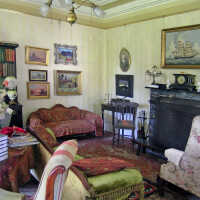
Fowler-Johnson House, Lubec, Maine | Hugh French
Photograph taken on September 24, 2004
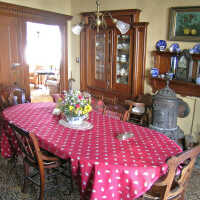
Fowler-Johnson House, Lubec, Maine | Hugh French
Photograph taken on September 24, 2004
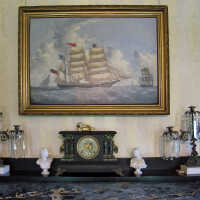
Fowler-Johnson House, Lubec, Maine | Hugh French
Photograph taken on September 17, 2005
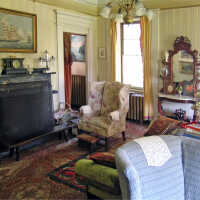
Fowler-Johnson House, Lubec, Maine | Hugh French
Photograph taken on September 24, 2004
Fowler-Johnson House, Lubec, Maine | Hugh French
Photograph taken on September 17, 2005
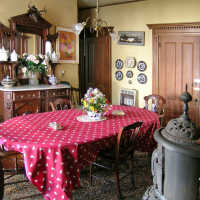
Fowler-Johnson House, Lubec, Maine | Hugh French
Photograph taken on September 24, 2004
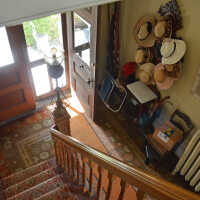
Fowler-Johnson House, Lubec, Maine | Hugh French
Photograph taken on October 4, 2019
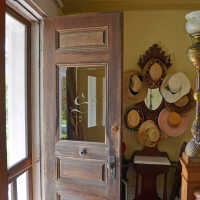
Fowler-Johnson House, Lubec, Maine | Hugh French
Photograph taken on October 4, 2019
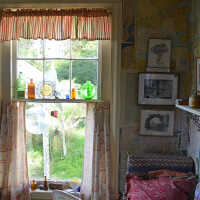
Fowler-Johnson House, Lubec, Maine | Hugh French
Photograph taken on October 4, 2019
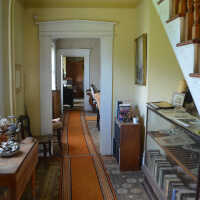
Fowler-Johnson House, Lubec, Maine, October 4, 2019 | Hugh French
Photograph taken on October 4, 2019
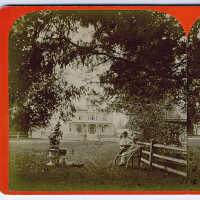
Frank Todd Residence, St. Stephen, New Brunswick | [No Artist Defined]
Classification: Photographs Circa: 1880 Old Accession Number: 1708
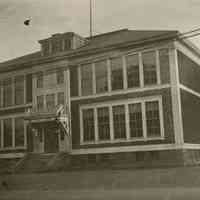
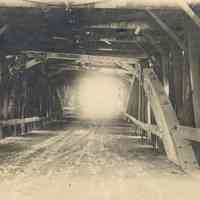
Fred Milliken | Old Toll Bridge, Eastport, Maine | February 18, 1919
OLD TOLL BRIDGE, EASTPORT, 1919! Two photos that are part of a series of old photos taken on the same day in our collections of the old toll bridge in Eastport, Maine. They were all taken by photographer, Fred Milliken, 107 years and 6 days ago on February 18, 1919. The bridge connected Eastport to the mainland at Perry, Maine.
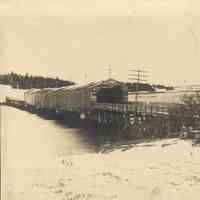
Fred Milliken | Old Toll Bridge, Eastport, Maine | February 18, 1919
OLD TOLL BRIDGE, EASTPORT, 1919! Two photos that are part of a series of old photos taken on the same day in our collections of the old toll bridge in Eastport, Maine. They were all taken by photographer, Fred Milliken, 107 years and 6 days ago on February 18, 1919. The bridge connected Eastport to the mainland at Perry, Maine.
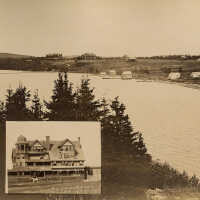
Friar's Bay, Campobello Island, New Brunswick With Tyn-Y-Coed and Tyn-Y-Maes Hotels | [No Artist Defined]
Classification: Photographs Old Accession Number: 1624 Description: Photograph shows Friar's Bay, Campobello Island, New Brunsnwick with Tyn-Y-Coed Hotel (in distance, left) and Tyn-Y-Maes Hotel (in distance, just to right of Tyn-Y-Coed). Small insert photograph is of the Tyn-Y-Coed Hotel.
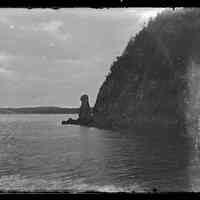
Friar's Head, Campobello Island, New Brunswick, c.1900 | Furman 7
Photograph from glass plate negative from John Pike Grady's house, 1 Adams Street, Eastport, Maine. Gift of Ross Y. Furman, 2025. Part of the Ross Y. Furman Advance Collection.
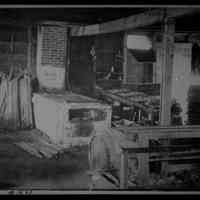
Frying Sardines, Eastport, Maine
National Archive Number: 22-CD-407
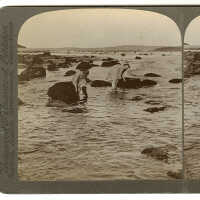
Gathering Dulse, Bay of Fundy, Saint John, New Brunswick | Underwood and Underwood
Artist: Underwood and Underwood Classification: Photographs Circa: 1880 Old Accession Number: 1717
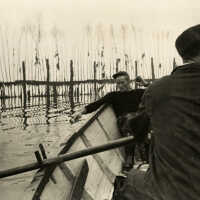
George Daniell (1911-2002) | "Feeling In" - 5 AM - with a line to see how many herring are in the weir. | 1938
Artist: George Daniell Medium: Silver Gelatin Print Classification: Photographs Circa: 1938 Description: "Feeling In" - 5 AM - with a line to see how many herring are in the weir. Old Accession Number: 1280 Museum purchase and partial gift from Aucocisco Galleries, Portland, Maine.
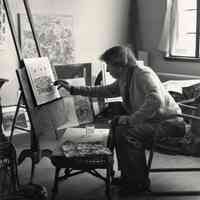
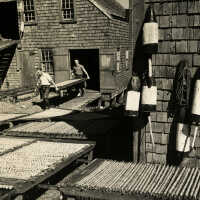
George Daniell (1911-2002) | Carrying Out the Wooden Horses of Herring to Dry in the Sun | 1938
Artist: George Daniell Medium: Silver Gelatin Print Classification: Photographs Circa: 1938 Old Accession Number: 1283 Description: Carrying Out the Wooden Horses of Herring to Dry in the Sun Museum purchase and partial gift from Aucocisco Galleries, Portland, Maine.
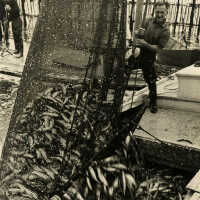
George Daniell (1911-2002) | Full Net | 1938
Artist: George Daniell Medium: Silver Gelatin Print Classification: Photographs Circa: 1938 Old Accession Number: 1291 Museum purchase and partial gift from Aucocisco Galleries, Portland, Maine.
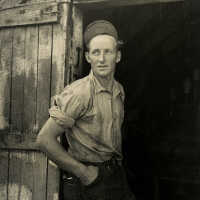
George Daniell (1911-2002) | Grand Manan Fisherman, Seton Ellingwood | 1938
Artist: George Daniell Medium: Silver Gelatin Print Classification: Photographs Circa: 1938 Old Accession Number: 1290 Museum purchase and partial gift from Aucocisco Galleries, Portland, Maine.
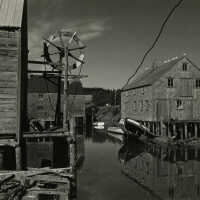
George Daniell (1911-2002) | Grand Manan | 1938
Artist: George Daniell Medium: Silver Gelatin Print Classification: Photographs Circa: 1938 Old Accession Number: 1278 Museum purchase and partial gift from Aucocisco Galleries, Portland, Maine.
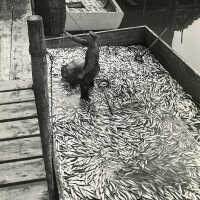
George Daniell (1911-2002) | Herring, Grand Manan | 1938
Artist: George Daniell Medium: Silver Gelatin Print Classification: Photographs Circa: 1938 Old Accession Number: 1603 Museum purchase.
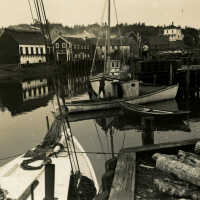
George Daniell (1911-2002) | High Tide, Seal Cove, Grand Manan | 1938
Artist: George Daniell Medium: Silver Gelatin Print Classification: Photographs Circa: 1938 Old Accession Number: 1288 Museum purchase and partial gift from Aucocisco Galleries, Portland, Maine.
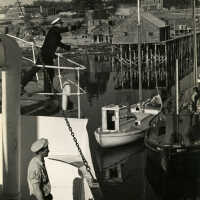
George Daniell (1911-2002) | Landing at Grand Manan Island, N.B. | 1938
Artist: George Daniell Medium: Silver Gelatin Print Classification: Photographs Circa: 1938 Old Accession Number: 14 Grand Manan, New Brunswick. Museum purchase and partial gift from Aucocisco Galleries, Portland, Maine.
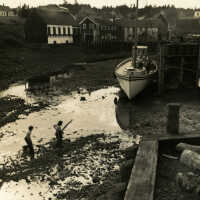
George Daniell (1911-2002) | Low Tide, Grand Manan [Seal Cove] | 1938
Artist: George Daniell Medium: Silver Gelatin Print Classification: Photographs Circa: 1938 Old Accession Number: 1276 Museum purchase and partial gift from Aucocisco Galleries, Portland, Maine.
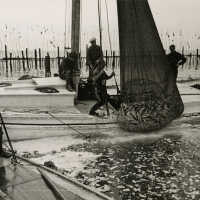
George Daniell (1911-2002) | Pulling in the Herring, 5:45 A.M. | 1938
A photograph by photographer, George Daniell, of the seining of a herring weir at Grand Manan island, New Brunswick in 1938. It is part of a large series of black and white photographs that Daniell took of the herring fisheries that year when he made an extended visit to Grand Manan. The work was published in several national magazines in the United States as well as Canada. They provide a remarkable record of the herring fisheries at this time. They are as riveting today as when they were taken. Most of Daniell’s Grand Manan photographs were acquired by the Tides Institute several years ago through a purchase/gift arrangement with the Aucocisco Gallery of Portland, Maine that was, at the time, representing the photographer's estate. George Daniell was born in Yonkers, New York in 1911. He is best known for his black and white portraits of actors, artists and writers. Also a painter, Daniell studied drawing at Yale University and New York's American People's School and Art Students League as well as at the Grand Central Art School in New York City in 1927. He began taking photographs as a teenager in his native Yonkers and, after graduating from college, became a freelance photographer in New York City and Europe. His work appeared over the years in Time and Life magazine. In 1937, he painted and photographed on his first trip to Monhegan Island on the Maine coast, a year before going to Grand Manan. He moved to mid-coast Maine in the 1960s where he continued to photograph and paint. He died in 2002. Artist: George Daniell Medium: Silver Gelatin Print Classification: Photographs Circa: 1938 Old Accession Number: 1286 Museum purchase and partial gift from Aucocisco Galleries, Portland, Maine.
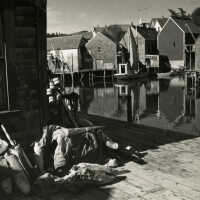
George Daniell (1911-2002) | Seal Cove, Grand Manan |
Artist: George Daniell Medium: Silver Gelatin Print Classification: Photographs Circa: 1938 Old Accession Number: 1279 Museum purchase and partial gift from Aucocisco Galleries, Portland, Maine.
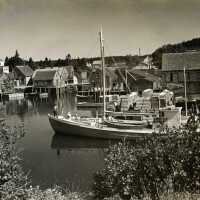
George Daniell (1911-2002) | Seal Cove, Grand Manan | 1938
Artist: George Daniell Medium: Silver Gelatin Print Classification: Photographs Circa: 1938 Old Accession Number: 1292 Museum purchase and partial gift from Aucocisco Galleries, Portland, Maine.
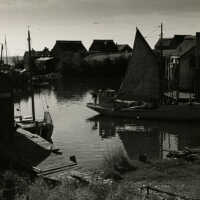
George Daniell (1911-2002) | Seal Cove, Grand Manan | 1938
Artist: George Daniell Medium: Silver Gelatin Print Classification: Photographs Circa: 1938 Old Accession Number: 1287 Museum purchase and partial gift from Aucocisco Galleries, Portland, Maine.
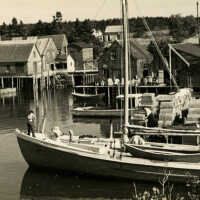
George Daniell (1911-2002) | Seal Cove, Grand Manan | 1938
Artist: George Daniell Medium: Silver Gelatin Print Classification: Photographs Circa: 1938 Old Accession Number: 1281 Museum purchase and partial gift from Aucocisco Galleries, Portland, Maine.
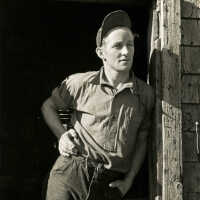
George Daniell (1911-2002) | Seton Ellingwood | 1938
Artist: George Daniell Medium: Silver Gelatin Print Classification: Photographs Circa: 1938 Old Accession Number: 1284 Museum purchase and partial gift from Aucocisco Galleries, Portland, Maine.
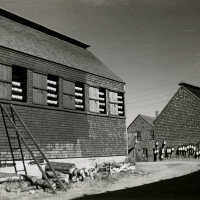
George Daniell (1911-2002) | Smoke Houses in Operation, Seal Cove | 1938
Artist: George Daniell Medium: Silver Gelatin Print Classification: Photographs Circa: 1938 Old Accession Number: 1282 Museum purchase and partial gift from Aucocisco Galleries, Portland, Maine.
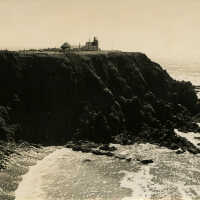
George Daniell (1911-2002) | South West Head Light (Where I Boarded) | 1938
Artist: George Daniell Medium: Silver Gelatin Print Classification: Photographs Circa: 1938 Old Accession Number: 1289 Museum purchase and partial gift from Aucocisco Galleries, Portland, Maine.
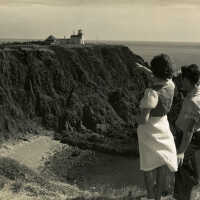
George Daniell (1911-2002) | South West Head Light | 1938
Artist: George Daniell Medium: Silver Gelatin Print Classification: Photographs Circa: 1938 Old Accession Number: 1285 Museum purchase and partial gift from Aucocisco Galleries, Portland, Maine.
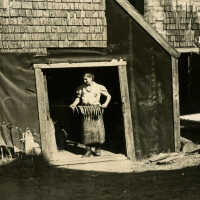
George Daniell (1911-2002) | Stringing the Herring Onto Sticks for Drying in the Sun | 1938
Artist: George Daniell Medium: Silver Gelatin Print Classification: Photographs Circa: 1938 Old Accession Number: 1277 Museum purchase and partial gift from Aucocisco Galleries, Portland, Maine.
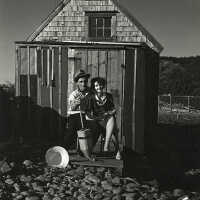
George Daniell (1911-2002) | Summer Fun, Grand Manan | 1938
Artist: George Daniell Medium: Photograph [Silver Gelatin] Classification: Photographs Circa: 1938 Old Accession Number: 315 Museum purchase and partial gift from Aucocisco Galleries, Portland, Maine.
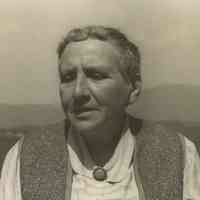
Gertrude Stein | Photograph by Carl Van Vechten
Gift of John C. Fitzpatrick
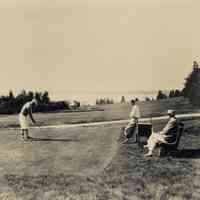
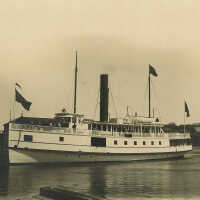
Grand Manan Ferry | [No Artist Defined]
Old Accession Number: 1428
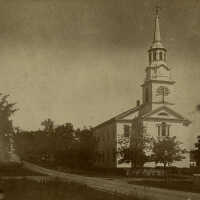
Greenock Church, St. Andrews, New Brunswick | [No Artist Defined]
Classification: Photographs Circa: 1890 Old Accession Number: 1652
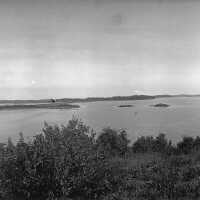
Half Moon Cove, Sipayik/Pleasant Point, Maine | [No Artist Defined]
Classification: Photographs Circa: 1900 Print from photographic negative. Gift of Margaret "Meg" McGarvey of Eastport, Maine. Old Accession Number: 1772 Passamaquoddy
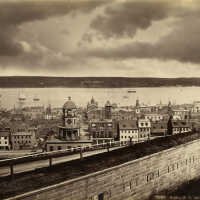
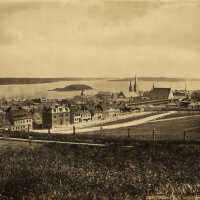
Halifax, Nova Scotia
Classification: Photographs Old Accession Number: 924
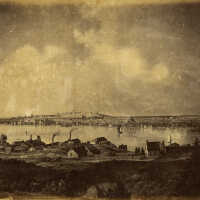
Halifax, Nova Scotia
Classification: Photographs Old Accession Number: 922
Halifax, Nova Scotia
Medium: Albumen Print Classification: Photographs Old Accession Number: 921 Description: Photograph of a painting.
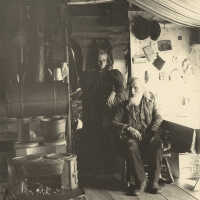
Hard Life on Duck Lake, Maine | William Lyman Underwood
Artist: William Lyman Underwood Medium: Photograph Circa: 1896 Old Accession Number: 609 Description: Hard Life on Duck Lake
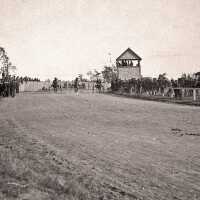
Harness Racing, Pembroke Fairgrounds, Pembroke, Maine
HARNESS RACING, PEMBROKE FAIR, c.1890! Photo from our collections of harness racing (horse and sulky) at the Pembroke Fairgrounds in Pembroke, Maine. Photo dates to about 1890.
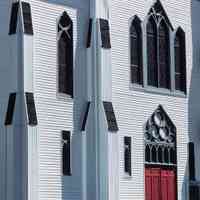
Harry Callahan (1912-1999) | Calais, Maine | 1979
Harry Callahan (American, 1912-1999) Calais, Maine, 1979 Dye transfer print 10-1/4 x 15-5/8 inches (26.0 x 39.7 cm) (image) 18 x 21-1/4 inches (sheet) Signed in pencil, lower margin recto. Photograph is of the Church of the Immaculate Conception building on Church Avenue in Calais, Maine. The building burned to the ground in 2005. CALAIS CHURCH OF THE IMMACULATE CONCEPTION! PHOTOGRAPH BY HARRY CALLAHAN, 1979! Photograph that recently came into our collections of a detail of the front facade of the original Church of the Immaculate Conception building on Church Avenue in Calais, Maine. Photograph is by the renown American photographer Harry Callahan (1912-1999) and was taken in 1979. Dye transfer print 10-1/4 x 15-5/8 inches (image) 18 x 21-1/4 inches (sheet). Signed in pencil, lower front margin. This 19th century structure burned to the ground in 2005.
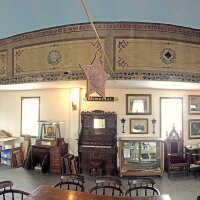
Harry Harrington | Civil War Mural | Grand Army Hall, 6 Green Street, Eastport, Maine | c.1880s
A Civil War mural running the length of the upper walls of the second floor of a former Civil War GAR (Grand Army of the Republic) Veterans Hall building in Eastport, Maine that is owned by the Tides Institute. It is the only such Civil War mural in Maine. The original two and a half story GAR Hall building dates to the 1820s and was first used as a Baptist vestry. When the Baptist Church established a new vestry space within its own separate church building in 1881, their vestry building became available to the local GAR veterans group that was organized after the American Civil War. The second floor of the building became the meeting room for the veterans group and they had the longer north and south walls decorated with a series of four panels, making a total of eight, each with a distinctive Union Army Corp badge numbering from one to eight. The shorter end east and west walls of the room were decorated with the name of the local GAR post (Meade Post No. 40) and with American flag shields and draped flag designs. The mural was very likely painted by local decorative painter, Harry Harrington, as he painted a similar mural in an adjacent Armory building at about the same time. This building and mural did not survive. A dropped ceiling, installed in the middle of the room in the early 20th century long hid the mural from view, but in 2010, after the hall building was sold to new owners, the mural was rediscovered and the dropped ceiling removed. The mural suffered considerable water damage over the years as it was painted with a distemper water soluble paint. The Tides Institute has had the mural restored by Tony Castro, an experienced restorer, of New Gloucester, Maine.
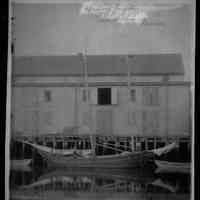
Herring Freighter, Friendship, Maine
National Archive Number: 22-CD-493
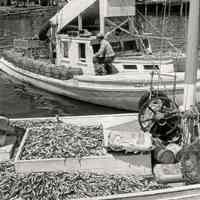
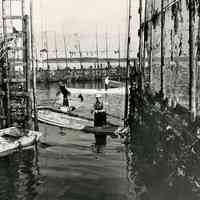
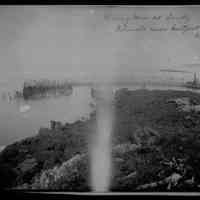
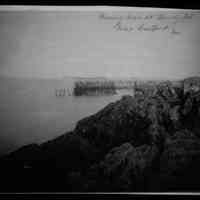
Herring Weir at Sandy Island near Eastport, Maine
National Archive Number: 22-CD-447
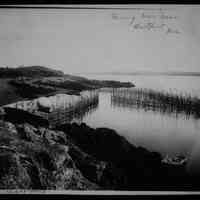
Herring Weir at Sandy Island near Eastport, Maine
National Archive Number: 22-CD-446
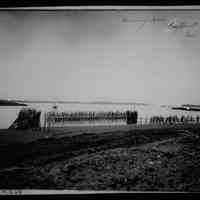
Herring Weir near Eastport, Maine
National Archive Number: 22-CD-228
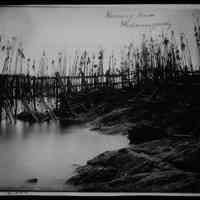
Herring Weir, Eastport, Maine
National Archive Number: 22-CD-248
Herring Weir, Passamaquoddy Bay
National Archive Number: 22-CD-262
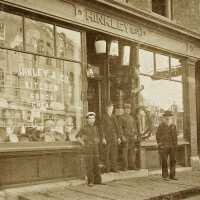
Hinkley Block, Eastport, Maine, c.1890
HINKLEY BLOCK, EASTPORT, C.1890! Rare photo that just came into our collections that shows the north front half of the Hinkley Block building (now The Commons) at Bank Square in downtown, Eastport, Maine. Photo dates to about 1890, shortly after the building was built in 1887. The building is part of a 30 building downtown Eastport National Register Historic District established in 1982.
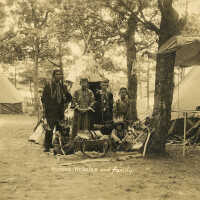
Horace Nicholas and Family |
Classification: Photographs Circa: 1921 Old Accession Number: 1622 Description: Photograph of Horace Nicholas and family (Passamaquoddies) from Maine. Photo was taken at Plymouth, Massachusetts in 1921 during the 300th anniversary of the Plymouth Colony.
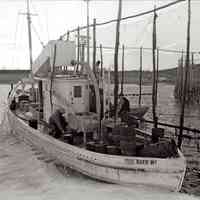
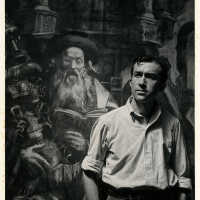
Hyman Bloom | Nicholas Dean | 1954
Artist: Nicholas Dean Medium: Photograph Classification: Photographs Circa: 1954 Old Accession Number: 185
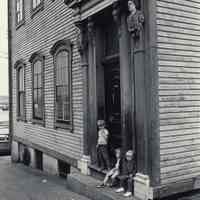
Ian MacEachern | Children, Elliott Row, Saint John, New Brunswick, 1969
Edition 4/25. Printed in 2015.
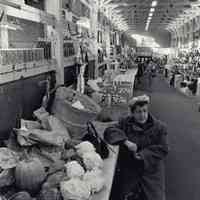
Ian MacEachern | Lady in the Market, Saint John, New Brunswick, 1965
Edition 4/25. Printed in 2015.
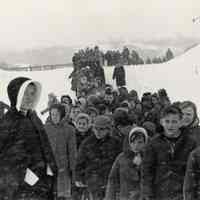
Ian MacEachern | Nun and School Children, North End, Saint John, New Brunswick, 1964
Edition 14/25. Printed in 2015.
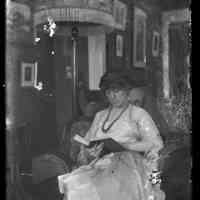
Interior of Grady House, 1 Adams Street, Eastport, Maine, c.1900 | Furman 6
Photograph from glass plate negative from John Pike Grady's house, 1 Adams Street, Eastport, Maine. Gift of Ross Y. Furman, 2025. Part of the Ross Y. Furman Advance Collection.
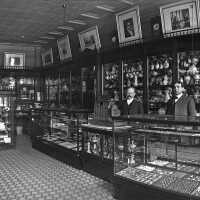
Interior of Store, Water Street, Eastport, Maine | [No Artist Defined]
Classification: Photographs Circa: 1900 Old Accession Number: 1780
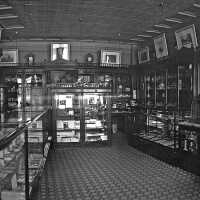
Interior of Store, Water Street, Eastport, Maine | [No Artist Defined]
Classification: Photographs Circa: 1900 Old Accession Number: 1779
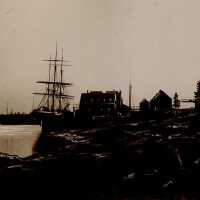
Ironworks Wharf, Pembroke, Maine
PEMBROKE IRONWORKS WHARF MOONLIGHT SCENE, c. 1885! Photo from our collections of a moonlight scene of the ironworks wharf in Pembroke, Maine. Photo is by photographer, Davis Loring, and dates to about 1885.
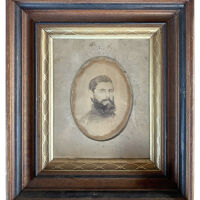
Isaac Campbell, Pembroke, Maine, 2nd Lieutenant, 6th Maine Infantry, Company F, Civil War
PEMBROKE CIVIL WAR VETERAN, 1860s! Photo that recently came into our collections is of a Pembroke, Maine American Civil War veteran. It dates to the 1860s. Housed in a deep 13" x 15" wood frame, the photo came from the former Pembroke Civil War veterans post that shared space within the Pembroke Masonic Lodge building that closed a couple of years ago. There was no identifying information on the photo or frame as to who the veteran might be. We guessed perhaps it was Isaac Campbell — the Pembroke veterans post had been named for him. So we searched the Maine State Archives digitized online collections of nearly 2500 small (carte de visite) photo portraits of Civil War veterans from throughout Maine. We typed Isaac Campbell into the search field and sure enough up came a small identical photo to the larger one that we had just come into our collections: Isaac Campell, Pembroke, Maine, 2nd Lieutenant, 6th Maine Infantry, Company F. He was killed during the Battle of Spotsylvania Courthouse, Virginia in May, 1864 at the age of 22/23.
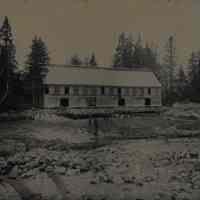
John DiMartino | Bailey's Mistake Herring Smokehouse, Trescott, Maine | Tintype Photograph | 2024
16" x 20" tintype. Gift of Markley Boyer, Jr., 2024.
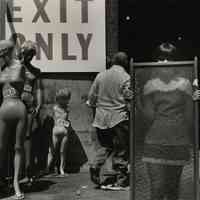
John L. Raye | Hartford, Connecticut | 1972
From book, With Open Eye, 1st Prize, Hartford Civic + Arts Exposition - Photography, 1972
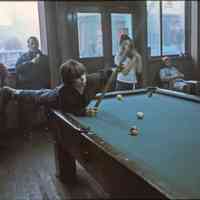
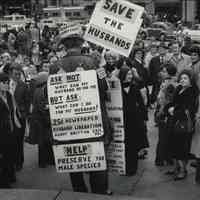
John L. Raye | Save the Husbands | c.1975
Art League of New Britain, Best of Show
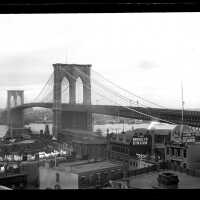
John Parris Sheahan (1842-1894) | Brooklyn Bridge, New York
Print from photograph glass plate negative. Gift of John "Terry" Holt. Old Accession Number: 1226
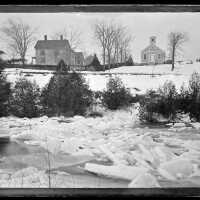
John Parris Sheahan (1842-1894) | Congregational Parsonage and Dennysville Academy, Dennysville, Maine
Print from photograph glass plate negative. Gift of John "Terry" Holt. Old Accession Number: 1186 From Dennys River Historical Society Description: The image of an ice jam in the Dennys River shows the Congregational Parsonage to the left of the Vestry, formerly the Dennysville Academy, in this photograph by John P. Sheahan taken during the1880's. It is now the Academy/Vestry Museum of the Dennys River Historical Society. Context In 1846, the Dennysville Academy was incorporated. A group of people who wished to offer a higher education to the older scholars erected an adequate and sturdy building with necessary furnishings and equipment, with no fund or endowment other than their own limited means. The academy was in active operation for eight years, attracting students from other parts of the county as well as from the local area. In anticipation of the establishment of a High School in town, the Academy was closed. In 1857, the Proprietors of the Academy transferred, by deeds, all their rights, titles and interests in the building and land to John Kilby who. in turn, conveyed the same to the Congregational Society for use as a church vestry. In 1914, an annex was built at the rear of the vestry to provide a kitchen. The Ladies Sewing Circle, other groups , and individuals contributed to the project. Changing circumstances through the years rendered the use of the vestry less practical. The sale of parsonage on one side and the I. H. Kilby property on the other deprived it of previously used parking space, extra kitchen facilities, water supply, and bathroom privileges. Ind 1968 the vestry was sold to the William and Muriel (Mahar) Juska family who used it as a summer recreation hall for the children and their friends. In 1995, the building and land were donated to the Dennys River Historical Society by their daughter, Paula (Juska) Smith, in honor of Rebecca Weston Hobart for her lifetime's work in preserving the history of the community. Since that time, the building has been used for summer exhibitions, meetings, and storage, while the Society is preparing for the historic restoration and rehabilitation of the structure.
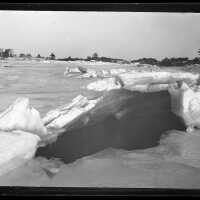
John Parris Sheahan (1842-1894) | Dennysville, Maine
Print from photograph glass plate negative. Gift of John "Terry" Holt. Old Accession Number: 1247
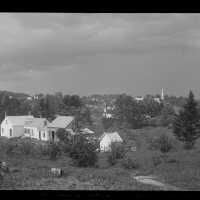
John Parris Sheahan (1842-1894) | Dennysville, Maine
Print from photograph glass plate negative. Gift of John "Terry" Holt. Old Accession Number: 1246
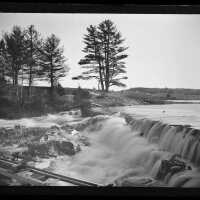
John Parris Sheahan (1842-1894) | Dennysville, Maine
Print from photograph glass plate negative. Gift of John "Terry" Holt. Old Accession Number: 1245
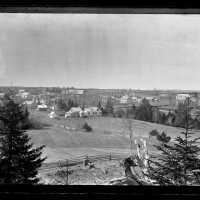
John Parris Sheahan (1842-1894) | Dennysville, Maine
Print from photograph glass plate negative. Gift of John "Terry" Holt. Old Accession Number: 1244
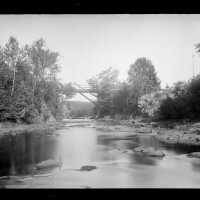
John Parris Sheahan (1842-1894) | Dennysville, Maine
Print from photograph glass plate negative. Gift of John "Terry" Holt. Old Accession Number: 1243
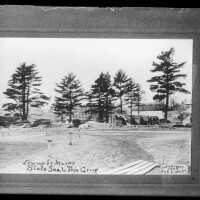
John Parris Sheahan (1842-1894) | Dennysville, Maine
Print from photograph glass plate negative. Gift of John "Terry" Holt. Old Accession Number: 1241
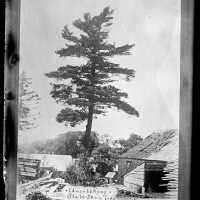
John Parris Sheahan (1842-1894) | Dennysville, Maine
Print from photograph glass plate negative. Gift of John "Terry" Holt. Old Accession Number: 1240
John Parris Sheahan (1842-1894) | Dennysville, Maine
Print from photograph glass plate negative. Gift of John "Terry" Holt. Old Accession Number: 1239
John Parris Sheahan (1842-1894) | Dennysville, Maine
Print from photograph glass plate negative. Gift of John "Terry" Holt. Old Accession Number: 1238
John Parris Sheahan (1842-1894) | Dennysville, Maine
Print from photograph glass plate negative. Gift of John "Terry" Holt. Old Accession Number: 1237
John Parris Sheahan (1842-1894) | Dennysville, Maine
Print from photograph glass plate negative. Gift of John "Terry" Holt. Old Accession Number: 1235
John Parris Sheahan (1842-1894) | Dennysville, Maine
Print from photograph glass plate negative. Gift of John "Terry" Holt. Old Accession Number: 1233
John Parris Sheahan (1842-1894) | Dennysville, Maine
Print from photograph glass plate negative. Gift of John "Terry" Holt. Old Accession Number: 1232
John Parris Sheahan (1842-1894) | Dennysville, Maine
Print from photograph glass plate negative. Gift of John "Terry" Holt. Old Accession Number: 1231
John Parris Sheahan (1842-1894) | Dennysville, Maine
Print from photograph glass plate negative. Gift of John "Terry" Holt. Old Accession Number: 1230
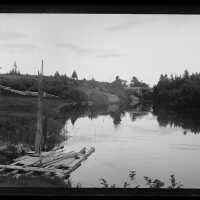
John Parris Sheahan (1842-1894) | Dennysville, Maine
Print from photograph glass plate negative. Gift of John "Terry" Holt. Old Accession Number: 1228
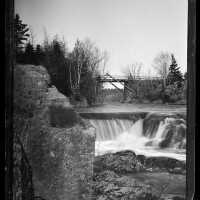
John Parris Sheahan (1842-1894) | Dennysville, Maine
Print from photograph glass plate negative. Gift of John "Terry" Holt. Old Accession Number: 1225
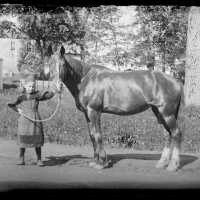
John Parris Sheahan (1842-1894) | Dennysville, Maine
Print from photograph glass plate negative. Gift of John "Terry" Holt. Old Accession Number: 1224
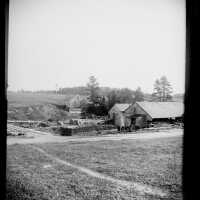
John Parris Sheahan (1842-1894) | Dennysville, Maine
Print from photograph glass plate negative. Gift of John "Terry" Holt. Old Accession Number: 1223
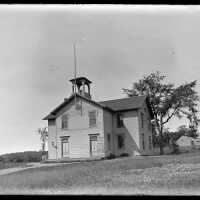
John Parris Sheahan (1842-1894) | Dennysville, Maine
Print from photograph glass plate negative. Gift of John "Terry" Holt. Old Accession Number: 1222
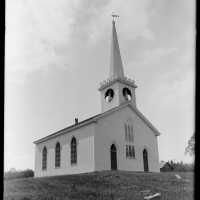
John Parris Sheahan (1842-1894) | Dennysville, Maine
Print from photograph glass plate negative. Gift of John "Terry" Holt. Old Accession Number: 1221
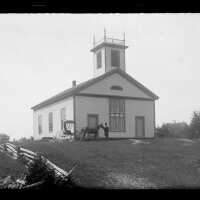
John Parris Sheahan (1842-1894) | Dennysville, Maine
Print from photograph glass plate negative. Gift of John "Terry" Holt. Old Accession Number: 1219
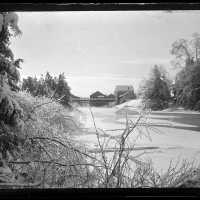
John Parris Sheahan (1842-1894) | Dennysville, Maine
Print from photograph glass plate negative. Gift of John "Terry" Holt. Old Accession Number: 1217
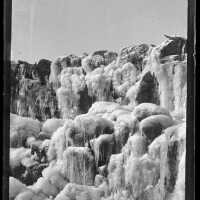
John Parris Sheahan (1842-1894) | Dennysville, Maine
Print from photograph glass plate negative. Gift of John "Terry" Holt. Old Accession Number: 1216
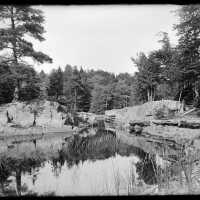
John Parris Sheahan (1842-1894) | Dennysville, Maine
Print from photograph glass plate negative. Gift of John "Terry" Holt. Old Accession Number: 1214
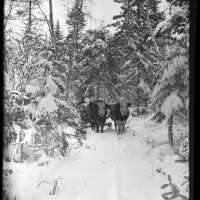
John Parris Sheahan (1842-1894) | Dennysville, Maine
Print from photograph glass plate negative. Gift of John "Terry" Holt. Old Accession Number: 1213
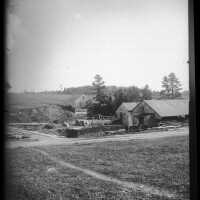
John Parris Sheahan (1842-1894) | Dennysville, Maine
Print from photograph glass plate negative. Gift of John "Terry" Holt. Old Accession Number: 1212
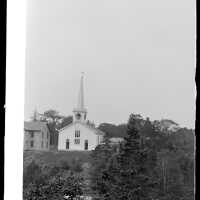
John Parris Sheahan (1842-1894) | Dennysville, Maine
Print from photograph glass plate negative. Gift of John "Terry" Holt. Old Accession Number: 1211
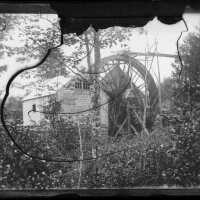
John Parris Sheahan (1842-1894) | Dennysville, Maine
Print from photograph glass plate negative. Gift of John "Terry" Holt. Old Accession Number: 1210
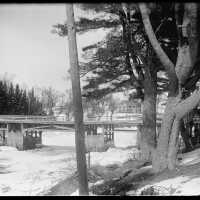
John Parris Sheahan (1842-1894) | Dennysville, Maine
Print from photograph glass plate negative. Gift of John "Terry" Holt. Old Accession Number: 1208
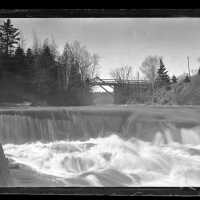
John Parris Sheahan (1842-1894) | Dennysville, Maine
Print from photograph glass plate negative. Gift of John "Terry" Holt. Old Accession Number: 1209
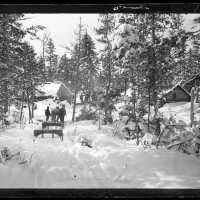
John Parris Sheahan (1842-1894) | Dennysville, Maine
Print from photograph glass plate negative. Gift of John "Terry" Holt. Old Accession Number: 1207
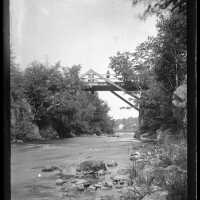
John Parris Sheahan (1842-1894) | Dennysville, Maine
Print from photograph glass plate negative. Gift of John "Terry" Holt. Old Accession Number: 1206
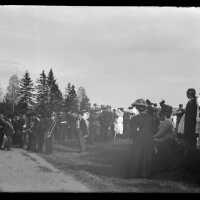
John Parris Sheahan (1842-1894) | Dennysville, Maine
Print from photograph glass plate negative. Gift of John "Terry" Holt. Old Accession Number: 1205
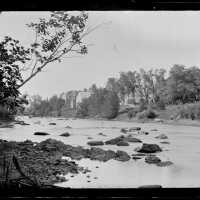
John Parris Sheahan (1842-1894) | Dennysville, Maine
Print from photograph glass plate negative. Gift of John "Terry" Holt. Old Accession Number: 1204
John Parris Sheahan (1842-1894) | Dennysville, Maine
Print from photograph glass plate negative. Gift of John "Terry" Holt. Old Accession Number: 1202
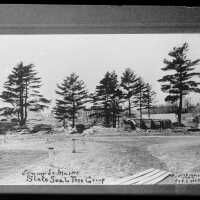
John Parris Sheahan (1842-1894) | Dennysville, Maine
Print from photograph glass plate negative. Gift of John "Terry" Holt. Old Accession Number: 1201
John Parris Sheahan (1842-1894) | Dennysville, Maine
Print from photograph glass plate negative. Gift of John "Terry" Holt. Old Accession Number: 1197
John Parris Sheahan (1842-1894) | Dennysville, Maine
Print from photograph glass plate negative. Gift of John "Terry" Holt. Old Accession Number: 1194
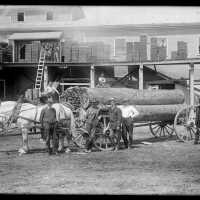
John Parris Sheahan (1842-1894) | Dennysville, Maine
Print from photograph glass plate negative. Gift of John "Terry" Holt. Old Accession Number: 1193
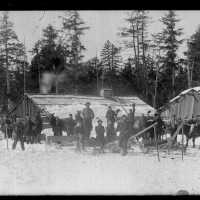
John Parris Sheahan (1842-1894) | Dennysville, Maine
Print from photograph glass plate negative. Gift of John "Terry" Holt. Old Accession Number: 1192
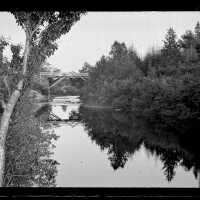
John Parris Sheahan (1842-1894) | Dennysville, Maine
Print from photograph glass plate negative. Gift of John "Terry" Holt. Old Accession Number: 1191
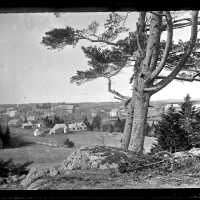
John Parris Sheahan (1842-1894) | Dennysville, Maine
Print from photograph glass plate negative. Gift of John "Terry" Holt. Old Accession Number: 1190
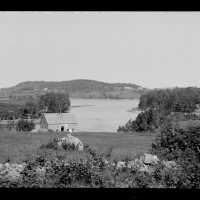
John Parris Sheahan (1842-1894) | Dennysville, Maine
Print from photograph glass plate negative. Gift of John "Terry" Holt. Old Accession Number: 1189
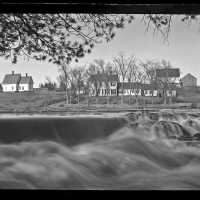
John Parris Sheahan (1842-1894) | Dennysville, Maine
Print from photograph glass plate negative. Gift of John "Terry" Holt. Old Accession Number: 1187
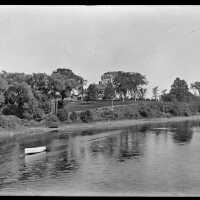
John Parris Sheahan (1842-1894) | Dennysville, Maine
Print from photograph glass plate negative. Gift of John "Terry" Holt. Old Accession Number: 1185
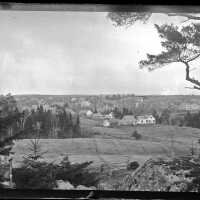
John Parris Sheahan (1842-1894) | Dennysville, Maine
Print from photograph glass plate negative. Gift of John "Terry" Holt. Old Accession Number: 1184
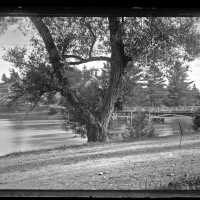
John Parris Sheahan (1842-1894) | Dennysville, Maine
Print from photograph glass plate negative. Gift of John "Terry" Holt. Old Accession Number: 1183
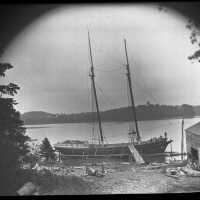
John Parris Sheahan (1842-1894) | Dennysville, Maine
Print from photograph glass plate negative. Gift of John "Terry" Holt. Old Accession Number: 1182
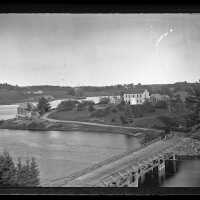
John Parris Sheahan (1842-1894) | Dennysville, Maine
Print from photograph glass plate negative. Gift of John "Terry" Holt. Old Accession Number: 1181
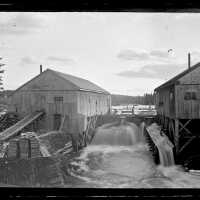
John Parris Sheahan (1842-1894) | Dennysville, Maine | #27
Print from photograph glass plate negative. Gift of John "Terry" Holt. Old Accession Number: 1196
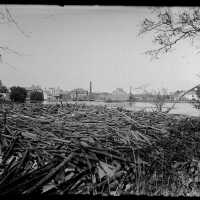
John Parris Sheahan (1842-1894) | Machias, Maine
Print from photograph glass plate negative. Gift of John "Terry" Holt. Old Accession Number: 1236
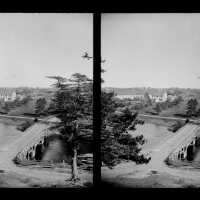
John Parris Sheahan (1842-1894) | Stereoview Photograph of Dennysville, Maine
Print from photograph glass plate negative. Gift of John "Terry" Holt. Old Accession Number: 1248
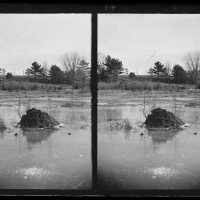
John Parris Sheahan (1842-1894) | Stereoview Photograph of Dennysville, Maine
Print from photograph glass plate negative. Gift of John "Terry" Holt. Old Accession Number: 1242
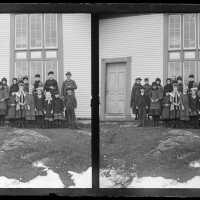
John Parris Sheahan (1842-1894) | Stereoview Photograph of Dennysville, Maine
Print from photograph glass plate negative. Gift of John "Terry" Holt. Old Accession Number: 1218
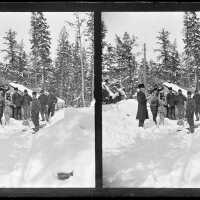
John Parris Sheahan (1842-1894) | Stereoview Photograph of Dennysville, Maine
Print from photograph glass plate negative. Gift of John "Terry" Holt. Old Accession Number: 1203
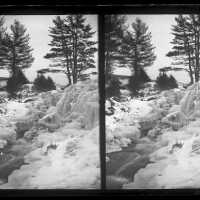
John Parris Sheahan (1842-1894) | Stereoview Photograph of Dennysville, Maine
Print from photograph glass plate negative. Gift of John "Terry" Holt. Old Accession Number: 1198
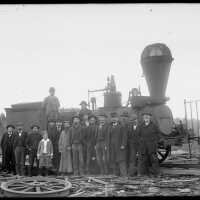
John Parris Sheahan (1842-1894) | The Lion - Railroad Locomotive
Print from photograph glass plate negative. Gift of John "Terry" Holt. Old Accession Number: 1234
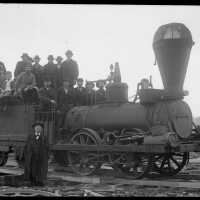
John Parris Sheahan (1842-1894) | The Lion - Railroad Locomotive
Print from photograph glass plate negative. Gift of John "Terry" Holt. Old Accession Number: 1229
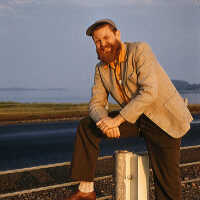
John Pike Grady | 1925-2008 | Eastport, Maine
Circa: 1956 Old Accession Number: 1193 Obituary for John Pike Grady: John Pike Grady November 12, 1925 — September 3, 2008 Obituary for John Pike Grady Eastport – John Pike Grady, 82, died Wednesday, September 3, 2008 at the Eastport Memorial Nursing Home. John was born in New Rochelle, NY on November 12, 1925, son of the late Stanley and Kate (Pike) Grady. He graduated from Shead High School and entered the U.S. Army Air Corps. John was a Veteran of WWII, serving with the 505 Aerial Bombardment Group flying B-29’s from North Field, Tinian Island. After the war, he attended college to study print at the University of New Hampshire, Goddard College in Vermont, and the Black Mountain College in North Carolina. Upon completing college, John returned to Eastport, the city he loved, where he owned and operated the local newspaper. He was a member of the Ralph A. Ray Post #558 V.F.W. in Eastport and was a charter member of the Main Street Program, “Eastport For Pride”. John enjoyed being active in his community, talking to others, walking, and meeting new people. He was an inspiration for a generation of Eastport youth. John was a supporter of projects for the betterment of Eastport. He will be remembered as a man who gave of himself unstintingly, sometimes to the detriment of his personal wellbeing. Besides his parents, John was predeceased by 2 sisters, Elizabeth Swaluk and Jane Grady; and a brother, Stanley Grady. Surviving are his sister, Doris Newquist of Eastport; four nieces, Carol Wasdin and her husband Frank of Orange Park, FL, Kay Ferguson and her husband Michael of Jacksonville, FL, Cindy Greer and her husband Perry of Orange Park, FL, and Dorinda Danneman and her husband Randy of Silver Spring, MD; two nephews, John Newquist and his wife Roxana of Woodvine, MD, Dale Grady of Rochester, NY, and Donald Sutherland of Eastport; and many great nephews, great nieces, and friends. Arrangements by Mays Funeral Home, Calais & Eastport.
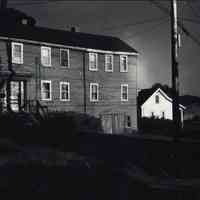
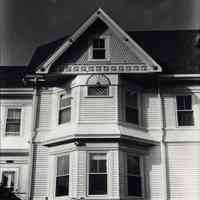
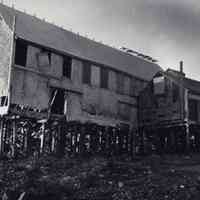
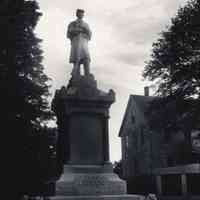
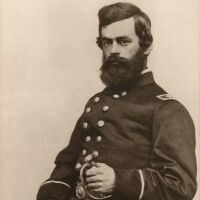
Joseph S. Cony | American Civil War Union Navy | Eastport, Maine
Joseph Cony and the Life of His Two Swords (2022) By John Raye Joseph Saville Cony’s short life swept like a comet over the horizon of the Civil War before it returned whence it came. Born in 1834 in Eastport, Maine, a little island city once one of the nation’s busiest ports, was where he called home. He grew up with the sea all around him, so it was no surprise that he ventured onto it at a young age. Volunteering in the Navy in1862, he served as acting Ensign aboard the Union Warship USS Western World. That year he commanded several successful small boat raids along the Carolina coast. He was young, brave, ambitious, and determined to make his mark. Cony was issued two USN swords befitting his rising star. The first was an officer's dress sword with an embellished blade and name engraving; an attractive weapon. The second was particularly special – an Ames 1862 officer’s cutlass with the U.S.N. cut out on the brass hand cover. This cutlass likewise featured a prominent engraving of his name. It was a serviceable weapon that would later see much action. By 1863 Cony was the executive officer of the U.S.S. Shokokon. In command of a daring expedition, he took one of the Shokokon’s long boats along with six seamen and left a path of glory the U.S. Navy would not soon forget. His raiding party surprised a much larger rebel force in an encampment at New Topsail inlet, near the Confederate stronghold of Wilmington, North Carolina. Cony’s small force captured ten soldiers, a large howitzer, eighteen horses, extensive salt works, and most importantly, destroyed the blockade runner, Alexander Cooper. This was an extraordinary feat and was well documented in USN historical ledgers and military correspondence. Much of the North’s strategy in winning the Civil War, right from the original “Anaconda Plan,” was to cut off the Confederate states' lines of supply and commerce from the outside world. The Navy was to contribute immensely to this effort, and control of the Mississippi was critical in blocking rebel commerce. Closing Atlantic Ports and the Gulf of Mexico were important to impede the Confederates’ supply chain. Grant’s successful collaboration with the Navy at the siege of Vicksburg, and the Union Navy winning the Battle of Mobile Bay and the taking of Atlanta, were huge advancements for the North. Yet Wilmington, North Carolina and its “Gibraltar” - Fort Fisher - was still open in the fall of 1864, allowing arms, ammunition and other critical supplies to reach the Confederacy. And for good reason: Fort Fisher was considered impregnable. Joseph Cony would now play important roles in amphibian attacks on the Carolina shore and at two subsequent battles at Fort Fisher. USN archives document how General Peck lauded Cony’s landing expedition on the North Carolina shore while attached to the U.S.S. Britannia. General Grant, meanwhile, was mired in Petersburg, Virginia and demanded Fort Fisher be closed to destroy the Rebel supply line. Grant sent the incompetent but well-connected General Butler to accompany the Navy in storming Fort Fisher in December 1864. Acting Master Cony did his part in shelling the Fort, but Butler’s Army contingent didn’t coordinate with the Navy, making the battle a disaster for the North with hundreds killed and wounded. After the Christmas of 1864, Grant wanted results, and this time Joseph Cony would play a bigger role. Now General Terry would lead the Army forces and would coordinate well with Admiral Porter. Cony would lead his ship’s bombardment of the Fort with accuracy. Then he would volunteer for the all -Navy and -Marine contingent that would try to breach the wall of the Fort on one side as the Army attacked the other side. While the soldiers were armed with rifles and bayonets, the brave Navy volunteers had only a cutlass and a revolver. The Navy assault should have been timed to coincide with that of the Army, but the Navy, possibly seeking glory, went against the enemy first. Cony was in the front that was battered by rebel coordinated rifle and cannon fire. Only a few times in USN chronicles does the war detail such ferocious rebel fire. Men fell all around Cony in an awful slaughter with three hundred sailors killed or wounded. Only one Navy volunteer made it up the ramparts. The Navy, after a valiant and repeated charge, was forced to fall back. Despite its retreat, it nevertheless succeeded in splitting the fort's defenders, thus allowing the Army to break through on the other side. The North had taken the fort. Once again, Cony had proved invaluable. The battle of Fort Fisher was a major step in winning the Civil War. Tragically, Cony’s time at sea did not end with glory. He died shortly after the war when the merchant ship he commanded sank off Cape Hatteras in 1867 in a violent storm. Almost a century later, in recognition of his important role in the war between the states, the name Cony was to grace a Destroyer in World War II, U.S.S. Cony (DD-508). The U.S.S. Cony served in World War II, Korea, Vietnam, the Bay of Pigs and the Cuban Missile Crisis. The ship was built at Bath Iron Works in Maine, and sponsored in 1942 by Alice Sleight of Eastport Maine, the closest living descendant of Joseph Saville Cony. She would pray daily for the safety of the sailors and officers of the Cony, and as Eastport’s librarian, would scour the newspapers to learn of the ship’s likely whereabouts. The ship and crew would play a critical role in the battle for supremacy in the Solomon Islands. The Cony would be awarded eleven battle stars over the course of a campaign culminating in the last line of battle confrontation with the Japanese Navy, wherein she sank an enemy destroyer. Unfortunately, a number of sailors would die, in a desperate attack by dive bombers and fighters trying to sink the Cony. The damaged ship would be repaired and continue fighting until the end of the World War II and through the 1960’s In the meantime, Joseph Cony’s swords would reside in the Sleight home in Eastport, a reminder of his valiant career. In 1947, the U.S.S. Cony was recommissioned and once again sponsored by Alice Sleight. In a speech given by John F. Kennedy, it was mentioned, “Joseph Cony, from Eastport, served with distinction in the war between the states specializing in amphibian landings along the southern coast.” The U.S.S. Cony would win two more battle stars in Korea and served in Vietnam as well, but she was most prominent in the Cold War. The USS Cony was part of the Hunter-Killer Task Group Alpha, a squadron of eight antisubmarine warfare destroyers, that were equipped to hunt down Soviet submarines during the Cuban Missile Crisis. There the cool of Cony’s captain and crew, as well as a Soviet submarine captain, arguably saved our lives from a nuclear holocaust. Joseph Cony’s swords remained at rest atop Alice Sleight’s piano in their Eastport house on Key Street. Alice Sleight, now retired, was aging, and passed the Cony swords to her daughter, Ann Harrison, who was most honored to possess them. Going forward a few decades Ann had given them some thought about where they should go, and it was on her birthday celebration, July 10, 2019, that she told her daughter, Jill Hume Harrison, that they should be given to a museum on permanent loan. When her daughter went to retrieve them from atop their hutch, she was stunned to find them missing. After checking with her brother, William, Jill notified the Boothbay Harbor, Maine Police Department. Likely suspects were personal care attendants who were assisting Ann in her recovery after a car accident. It turned out that other items were stolen as well – jewelry, money, electronics,, an antique silver tea service, gold coins, a gold watch, and other family heirlooms. Perhaps Dr. Jill Harrison had inherited some of Joseph Cony’s tenacity and persistence.. She would need those traits and more to discover who had stolen the swords and to get them back to Maine, especially so when the police seemed to have given up on the case as unsolvable. Jill suspected a home health care worker and her husband, especially since she had been told that not all employees had passed a criminal background check. Indeed, the police issued a search warrant for one worker’s home when the radio frequency from a stolen smart speaker device was picked up there. The speaker was there but not the swords. This worker's husband had a criminal past, but by then, which turned out to be over a year later, the swords had long been gone. The police checked some pawn shops to no avail in 2019, so now the real work began. Dr. Jill Harrison worked the phone and the internet with superb skill and pluck. Black of night deals at an auction house parking lot were hinted at. Dr Harrison had to follow up, but where? She contacted every auction house between Germany and Hawaii that dealt in historic arms. She also contacted historic arms dealers who had internet businesses, or brick and mortar establishments, and Ebay. It was tedious work, but by tenacity, and when necessary, intimidation coupled with some luck, leads opened up. The swords had first sold in Maine for less than $700 in December 2018. Then they started to move across the country, their price increasing from one transaction to the next. Finally they were bought by a collector in Baltimore at an auction for $7,500. By this time, there had been a chain of ownership that formed a dubious provenance. A Civil War collector from near Fort Fisher bought the swords in good faith for $17,000. Luckily, Dr. Harrison had photographed the swords for a presentation to the U.S.S. Cony’s veterans. Even better, the swords were unique because each weapon was engraved with Joseph S. Cony’s name by the hilt. These were high-end swords in great condition, owned by a legend after whom a legendary World War II destroyer was named. They were quite a prize for the collector! Dr. Harrison had the evidence of theft, proof of ownership, and the name and address of the improper new owner. Miracle of miracles, the swords were shipped to the Boothbay Harbor Police Department and returned to the Harrison family in December 2021! When Dr. Harrison called the Boothbay Harbor Police Chief and told him she had found the swords, he said he had to pick himself up off the floor. The collector, through a broker, offered the Harrisons $20,000 to buy the swords back. He also offered to give them to the Fort Fisher Museum upon his death. Dr. Harrison replied that she didn’t think her ancestor, who fought for the North, would want his swords at Ft. Fisher but rather in Maine, where they belonged. They would not be for sale at any price. Watch for the swords to be on display in Maine in the near future, including at the Tides Institute and Museum of Art in Eastport, the city Joseph Cony called home.
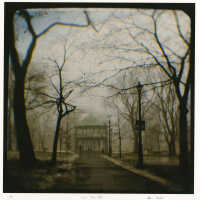
Kings Square, Saint John, New Brunswick | Adam Graham
Artist: Adam Graham Medium: Photograph Circa: 2007 Old Accession Number: 23
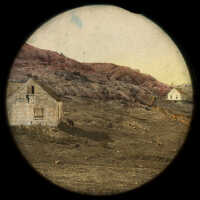
Landscape Scene, Campobello Island, New Brunswick |
Medium: Glass Lantern Slide Classification: Photographs Circa: 1890 Old Accession Number: 1642
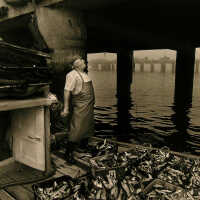
Larry Fink (1941-2023) | Portuguese Fisherman | 1995
Artist: Larry Fink Medium: Photograph Classification: Photographs Old Accession Number: 175
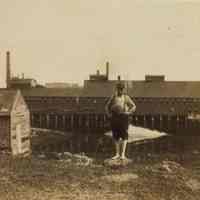
Lewis Hine (1874-1940) | Folsom McCutcheon | Eastport, Maine | 1911
Fulsom McCutcheon, 11 years old, has been working at the covering machines in Eastport canning factory, also cutting some. In the background is a typical sardine factory. Location: Eastport, Maine. Gift of Ross Y. Furman, 2023. Part of the Ross Y. Furman Advance Collection
Lewis Hine (1874-1940) | Group of "cartoners" in Seacoast Canning Co., Factory #7 | Eastport, Maine | 1911
Group of "cartoners" in Seacoast Canning Co., Factory #7. Everyone of them works putting cans of sardines into paper cartons. Eleven out of the fourteen were under twelve years. Several from eight to ten. Smallest girl in front is Erna Hamilton, eight years old. The older girls, from twelve to fourteen years, earn several dollars a day. One fourteen year old girl said she made $3 to $4 when she packed all day and in the evening. Location: Eastport, Maine. Gift of Ross Y. Furman, 2023. Part of the Ross Y. Furman Advance Collection
Lewis Hine (1874-1940) | Preston Knowlton | Eastport, Maine | 1911
5 year old Preston, a young cartoner in a Maine Canning Co. I saw him at work different times during the day - at 7 a.m., in the afternoon and at 6 p.m., and he kept at it very faithfully for so young a worker. Location: Eastport, Maine.
Lighthouse at St. Croix Island, Maine | [No Artist Defined]
Classification: Photographs Circa: 1920 Old Accession Number: 1613
Lillie Kelly and Guide | William Lyman Underwood
Artist: William Lyman Underwood Medium: Photograph Circa: 1896 Old Accession Number: 1432 Description Lillie Kelly and Guide
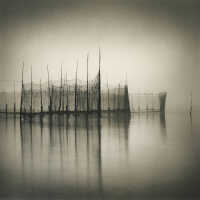
Lisa Tyson Ennis (1961- ) | Weir Study
A contemporary silver gelatin toned photographic print, “Fishing Weir, Study III," by photographer, Lisa Tyson Ennis. Hundreds of such herring weirs were once commonplace in the coves and bays of the Passamaquoddy region (and further west along the coast of Maine and further east along the coast of New Brunswick) when the sardine industry was at its height. The herring weir in this photograph stood on Deer Island, New Brunswick. While weirs had a very practical basis for their existence, to capture small herring that could be then used in the sardine canning industry, the weirs were also majestic almost other worldly structures not readily forgotten when first seen. They have a deep history in the region as simpler weir forms were used by the Passamaquoddies before the rise of the sardine industry began in the 1870s. Early herring weirs were made using brush before they converted over to twine. Now it is a rarity to see a herring weir in the region, let alone to see one that is still used for its original purpose. Lisa Tyson Ennis documented many of these weirs in their last years of use both in Maine and New Brunswick. She used a large format camera to capture the detail of the weir structures. Originally from Pennsylvania, Ennis took the photograph while she was living in Lubec, Maine. Ennis has also begun taking tintype photographs of weirs. This particular print was a gift to the Tides Institute by a supporter who long summered in Machiasport, Maine. Artist: Lisa Tyson Ennis Medium: Silver Gelatin Toned Print Classification: Photographs Old Accession Number: 1498
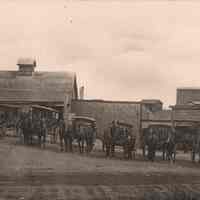
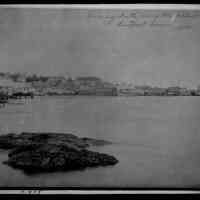
Looking North Along the Waterfront, Eastport, Maine | 1882
National Archive Number: 22-CD-408
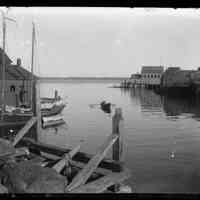
Looking South at Huston's/Shackford's Cove, Eastport, Maine, c.1900 | Furman 12
Photograph from glass plate negative from John Pike Grady's house, 1 Adams Street, Eastport, Maine. Gift of Ross Y. Furman, 2025. Part of the Ross Y. Furman Advance Collection.
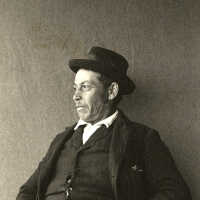
Louis Kutrim[?], Guide, Duck Lake, Maine | William Lyman Underwood
Artist: William Lyman Underwood Medium: Photograph Circa: 1896 Old Accession Number: 1435 Description Louis ____, Guide, Duck Lake
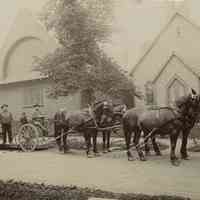
Low slung truck wagon, known as a "jigger" or "sloven" | Eastport, Maine | c.1900.
Low slung truck wagon, known as a "jigger" or "sloven" on Key Street in Eastport, Maine in front of the Christ Episcopal Church building and adjacent Institute building. Wagon was owned by James Irving of Eastport, Maine. Photograph dates to about 1900.
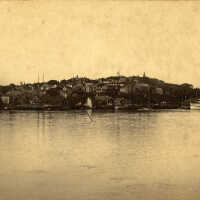
Lubec, Maine Waterfront | [No Artist Defined]
Classification: Photographs Circa: 1885 Old Accession Number: 1693
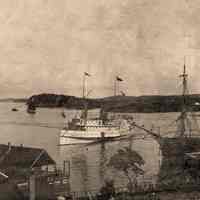
Lubec, Maine | Christian Sunde | c.1980
Gift from the estate of the photographer, Christian Sunde, 2024.
Lucy Kilby | Eastport, Maine | C.1980
Photograph of Lucy Kilby (1893-1984) in the second floor of her home at 122 Water Street in Eastport, Maine. Plants that she is cultivating are behind here. Photograph dates to about 1980. Photograph by Hugh French. Negative (2 1/4 x 2 1/4) is in collection files. Obituary for Lucy Kilby from the Quoddy Tides, April 27, 1984, p.33: LUCY H. KILBY Eastport—Lucy Helen Kilby, 90, died April 23, 1984 at a Calais nursing home. She was born in Eastport, May 26, 1893, the daughter of Herbert an Harriet (Pike) Kilby. She graduated from the Eastport Grammar School, attended the Waynefleet School and graduated from Abbot Academy in Massachusetts, graduated from the University of Maine with a B.S. degree in 1921, received an M.A. degree from Teachers College, Columbia University in 1923, and took extension courses at Harvard and Boston Universities in 1926-27. Miss Kilby taught biology at Everett, Mass. in 1926-27 and at Shead Memorial High School from 1921 to 1964 and part time from 1964 to 1968. The library in the new Shead High School is named the Lucy H Kilby Library in her honor. She was on the Board of Directors of Peavey Memorial Library for many years and an honorary member of the Literary Round Table in Eastport. She attended Audubon Camps in Maine, Connecticut and California and travelled extensively throughout the world. Survivors include John Pike Grady of Eastport, Mrs. Elizabeth Grady Swaluk of Jacksonville, Fla., and Mrs. Lucy Straw Jewett of Shreveport, La. Graveside services were held at Hillside Cemetery, Eastport, with the Rev. Roland A. Chaffey officiating. Friends who wish may donate in her memory to the Lucy Kilby Memorial Fund, c/o Peavey Memorial Library, Eastport.
Machias, Maine |
Image scanned from a glass plate negatives in the Tides Institute & Museum of Art collections.
Machias, Maine | Photograph | c.1885
Classification: Photographs Old Accession Number: 1044
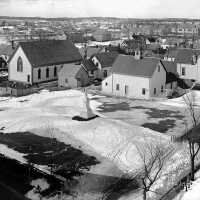
Machias, Maine | Photographer Once Known
Image scanned from a glass plate negatives in the Tides Institute & Museum of Art collections.
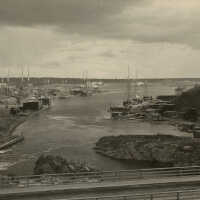
Machias, Maine | [No Artist Defined]
Old Accession Number: 1427
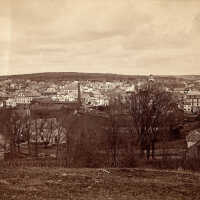
Machias, Maine | [No Artist Defined]
Classification: Photographs Circa: 1890 Old Accession Number: 1754
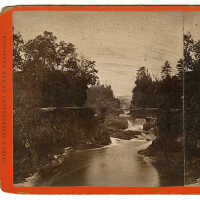
Magaguadavic River, St. George, New Brunswick | Climo
Artist: Climo Classification: Photographs Circa: 1880 Old Accession Number: 1725
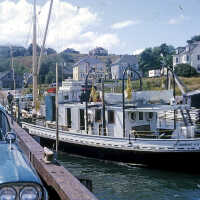
Mailboat RIV | Joyce Emery Kinney
Artist: Joyce Emery Kinney Classification: Photographs Old Accession Number: 1637
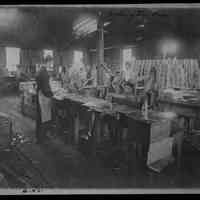
Making Tin Cans
National Archive Number: 22-CD-421
Marie Cosindas | Boot Cove, Lubec
Artist: Marie Cosindas Medium: Photograph (Reproduction) Old Accession Number: 258
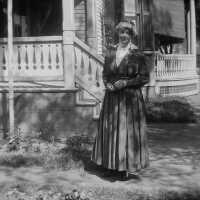
Martha “Mattie” Waide (1857-1929), Eastport, Maine
Photograph c. 1900 of Martha “Mattie” Waide (1857 - 1929) beside her house at 17 Boynton Street in Eastport, Maine.
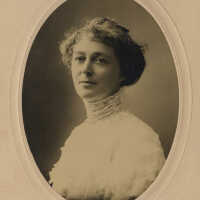
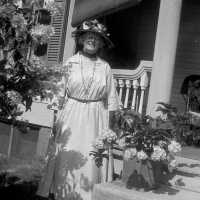
Martha “Mattie” Waide (1857-1929), Eastport, Maine | Martha Clark Loring Waide
Photograph c. 1900 of Martha “Mattie” Waide (1857 - 1929) in front of her house at 17 Boynton Street in Eastport, Maine. ( ) From Eastport Sentinel, January 16, 1889, p.3, c.4: "Miss Mattie Loring will open her class in painting at her residence Wednesday afternoon, Jan. 23d. Specimens of work may be seen at Miss A.M. Bucknam's millinery store." ( ) From Eastport Sentinel, March 6, 1889, p.3,c.1: "Miss Mattie Loring has a large class in painting, both in this town and at Lubec." ( ) From Eastport Sentinel, June 27, 1894, p.3,c.2: “One of the handsomest pieces of decorative furniture that has been seen in this city for some time, is exhibited at the Loring Studio, it being an art screen the frame of which of white and gold, is the design and work of Mr. C.E. Brown, one of several that he has busied himself in making during hours not occupied with the regular photographic business of the studio. The three panels of the screen are elegant paintings from the brush of Mrs. M.S. Waide, of charmingly arranged and magnificent bouquets of chrysanthemums, depicted all in their natural colors and shades, as only nature or the painstaking, observant student of her ways with an eye to guide and a clever hand to execute, could reproduce. The whole a thing of beauty and excellence in all its parts, will be a most dainty ornament for parlor or drawing room.” ( ) From Eastport Sentinel, July 24, 1895, p.2,c.5: “Mrs. C.E. Brown, Mrs. E.S. Waide, and Miss Nelie Loring are passing the present week at Grand Manan.” ( ) From Eastport Sentinel, August 19, 1896, p.3,c.3: “The two days fair by the members of the Unitarian society was a wonderful success socially and financially, netting the church about $400. The China painted by our artist, Mrs. E.S. Waide was beautiful and found ready purchasers. The exquisite fancy work vanished all too soon, so that few had a chance even to see it. ....” ( ) From Eastport Sentinel, December 22, 1897, p.3,c,4: (adverstisement inserted in local news column): “Mrs. E.S. Waide has hand painted china suitable for Christmas or wedding presents, or[?typo, “for”] sale at her home, North End. 2w” ( ) From Eastport Sentinel, December 22, 1897, p.3,c.5: “The handsome fire screen, painted by Mrs. E.S. Waide, and valued at $75, which has been on exhibition at Mildon’s Variety Store for the past month or two, has become the property of Miss Nina Lovell. The screen was disposed of by tickets and Miss Lovell holding the lucky ticket, it passed to her for an outlay of eight cents.” ( ) From Eastport Sentinel, December 7, 1898, p.6,c.2: “Mrs. E.S. Waide will have an exhibition and sale of hand painted china, at the house [?missing word, “of”] Geo. C. Loring on Wednesday and Thursday, Dec. 14 and 15, afternoon and evening.” Eastport Sentinel, December 21, 1898, p.3: The exhibition and sale of hand painted china given by Mrs. E.S. Waide at the home of her brother Geo. C. Loring, last Wednesday and Thursday was largely attended, and many pieces of the handsome decorated ware found their way to the homes of purchasers, while those who did not buy feasted their eyes on the beautiful painted articles, any of which would enhance the value of any connoisseur's collection of art china. Eastport Sentinel, August 9, 1911, p.2: Mrs. E. S. Waide entertained a whist party of five tables at her home on Tuesday afternoon, in honor of her sister, Miss Cornelia M. Loring, and a most delightful afternoon was enjoyed. The favors were taken by Miss Louise Milliken, Mrs. W. A. Shea, Mrs. F. L. Ray, Miss Estelle Warner and Mrs. J. J. Pike. Eastport Sentinel, October 11, 1911, p.3: Mrs. E. S. Waide received the first prize for hand-painted china at the Calais fair. Mrs. Waide’s artistic ability is well known here and its recognition elsewhere is a source of gratification to her friends.
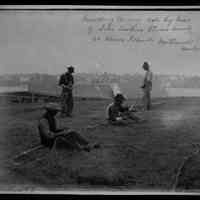
Mending Herring Nets by Crew of Schoooner Aroline Storm bound at House Island, Portland Harbor
National Archive Number: 22-CD-490
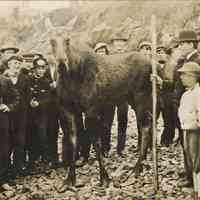
Mosquito Fleet | Passamaquoddy Bay
Classification: Photographs Circa: 1890 Old Accession Number: 1600
My Turn at the Outhouse [Duck Lake, Maine] | William Lyman Underwood
Artist: William Lyman Underwood Medium: Photograph Circa: 1896 Old Accession Number: 610 Description: My Turn at the Outhouse
Ne-Mat-Ta-No Hotel, North Lubec, Maine | Davis Loring, Photographer
Classification: Photographs Old Accession Number: 1623 Description: The Ne-Mat-Ta-No Hotel burned in August 1921. The Ne-mat-ta-no was a summer resort built in 1890 by the New England YMCA and accommodated 125 guests. The resort boasted a dance pavilion, tennis court, bowling alley, swimming pool and ferry landing where steam launches landed guests. ( ) From Eastport Sentinel, May 28, 1890, p.3,c.1: “Work has commenced this week on the construction of the new hotel at North Lubec, for the North Lubec Improvement Co., a company formed by non-residents, who are associated with the work of the Y.M.C.A. in some the New England cities. .... [Gives details of building, descriptions, location, views] It will be 100 ft. long and 36 ft. wide, two stories with Mansard roof. .... Mr. Henry Newcomb of this town, who built the Owen at Campobello, one of the most elegantly finished and handsomely desgned summer hotels on the Maine coast, is the master builder in charge of the work of construction. He will commence this work with a crew of twenty-five men and push the work along as rapidly as possible.”
North Baptist Church, Eastport, Maine | Stereoview Photograph | c.1880
Classification: Photographs Circa: 1885 Old Accession Number: 1672
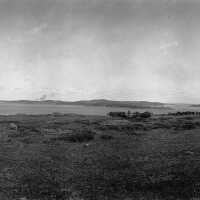
North End, Eastport, Maine | [No Artist Defined]
Classification: Photographs Circa: 1900 Old Accession Number: 1685
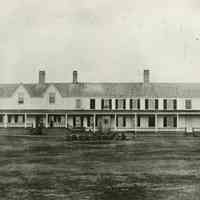
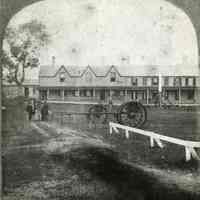
Officers' Quarters, Fort Sullivan, Eastport, Maine, c. 1870.
Part of a stereoview photograph from the American Antiquarian Society, Worcester, Massachusetts.
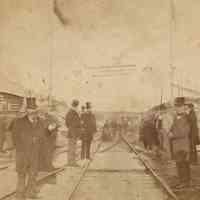
Opening of the European & North American Railway, Vanceboro, Maine | October 19, 1871 | Stereoview Photograph
OPENING OF THE EUROPEAN & NORTH AMERICAN RAILWAY, VANCEBORO, MAINE, 1871! Rare stereoview photo that just came into our collections that shows the significant ceremony held on October 19, 1871 at the northern Washington County border community of Vanceboro, Maine for the opening of the European and North American Railway. U.S. President Ulysses S. Grant, along with other U.S. and Canadian dignitaries, attended the event which marked the completion of the railway line connecting Bangor, Maine, to Saint John, New Brunswick. The ceremony included a luncheon, speeches, and a symbolic "last spike" moment at the border crossing between Maine and New Brunswick. Banner in the photo reads: Grand International Rail Road Opening, San Francisco, New York, Bangor, St. John, Halifax, The West Salutes the East. Photo was taken by A.K. Dole and published by C.L. Marston of Bangor, Maine.
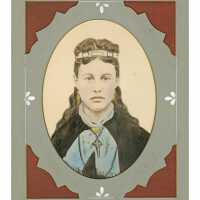
Orianna Norton | October 14, 1855–April 20, 1877 | Jonesport, Maine | Sister of Isabel & Edgar McNichol | Unknown Artist
Artist: Unknown Artist Classification: Publication Old Accession Number: 2319 Description: One of a set of 20 large scale posters of images of artwork in the collections of the Tides Institute & Museum of Art, Eastport, Maine. Poster set was produced as part of the ArtLink Project that distributed poster sets to schools throughout Washington County, Maine. When Orianna Norton was born on 14 October 1855, in Jonesport, Washington, Maine, United States, her father, Jeremiah Beal Norton, was 27 and her mother, Susan McKenzie Dobbins, was 24. She lived in Maine, United States in 1870. She died on 20 April 1877, in Jonesport, Washington, Maine, United States, at the age of 21, and was buried in West Jonesport Cemetery, Jonesport, Washington, Maine, United States. Jonesport, Maine.
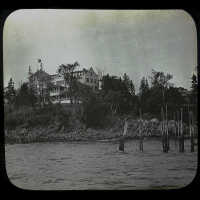
Owen Hotel, Campobello Island, New Brunswick | [No Artist Defined]
Medium: Glass Lantern Slide Classification: Photographs Circa: 1890 Old Accession Number: 1646
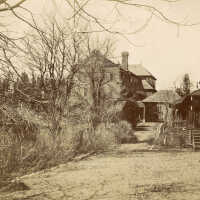
Owen Hotel, Campobello Island, New Brunswick | [No Artist Defined]
Classification: Photographs Circa: 1890 Old Accession Number: 1635
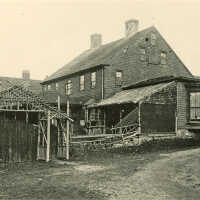
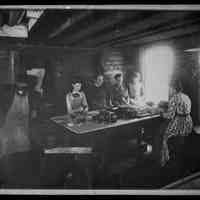
Packing Sardines | Green Point, Maine
National Archive Number: 22-CD-122
Packing Sardines, Deer Island Packing Company, Maine 1891
National Archive Number: 22-CD-121
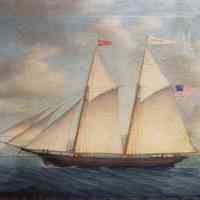
Painting of the 197-ton schooner, Irvine, John H. McLarren of Eastport, Maine, master is shown leaving Messina, Italy, January 13, 1871.
When this photograph was taken, the painting was in the possession of Mr. & Mrs. Allison Catheron of Franklin, Maine. The schooner, Irvine, was built in Eastport in 1865.
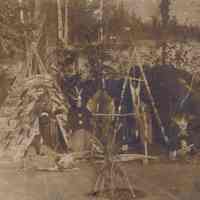
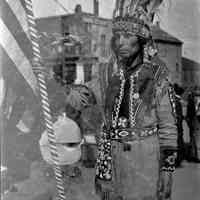
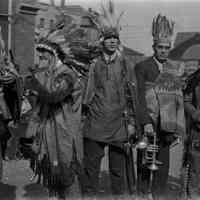
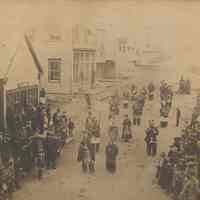
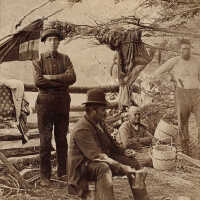
Passamaquoddy Basket Making, Campobello Island, New Brunswick | Davis Loring
Artist: Davis Loring Classification: Photographs Circa: 1885 Old Accession Number: 1634 Description: Passamaquoddies on Campobello Island, New Brunswick.
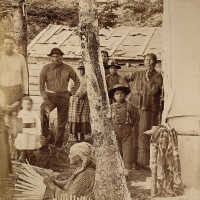
Passamaquoddy Basket Making, Campobello Island, New Brunswick | Davis Loring
Artist: Davis Loring Classification: Photographs Circa: 1885 Old Accession Number: 1633 Description: Passamaquoddies on Campobello Island, New Brunswick.
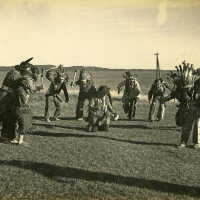
Passamaquoddy Dancers | [No Artist Defined]
Classification: Photographs Circa: 1938 Old Accession Number: 1823
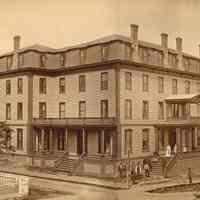
Passamaquoddy Hotel, Eastport, Maine, c.1880
Passamaquoddy Hotel, c. 1880. The hotel stood on the same site as the Peavey Memorial Library and was destroyed in the Great Fire of October 14, 1886.
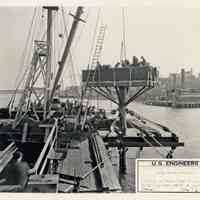
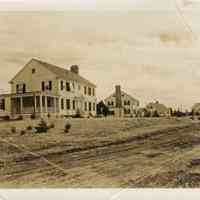
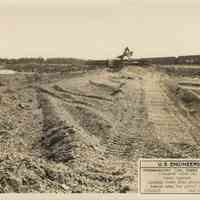
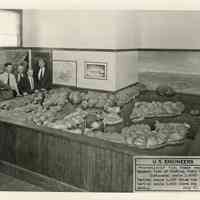
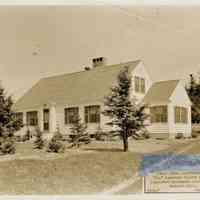
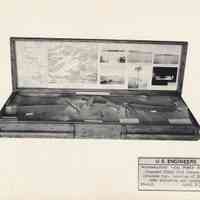
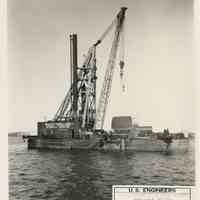
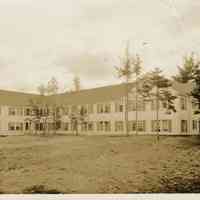
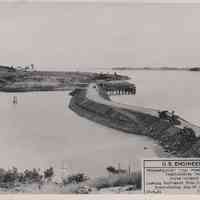
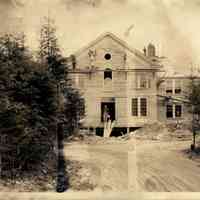
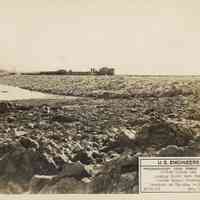
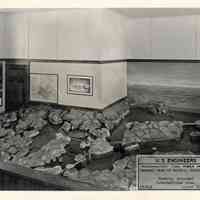
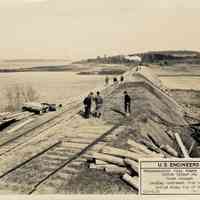
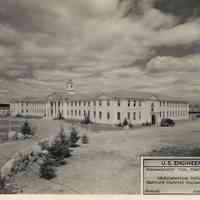
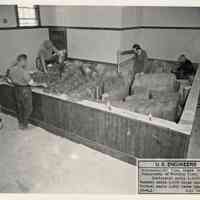
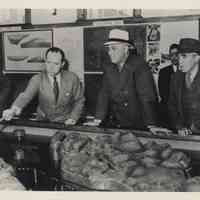
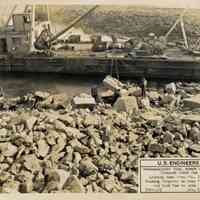
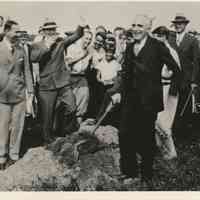
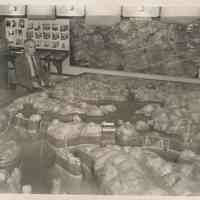
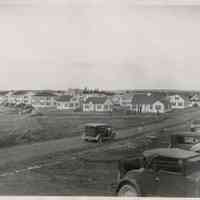
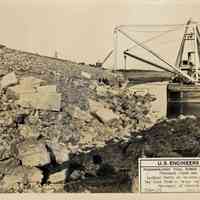
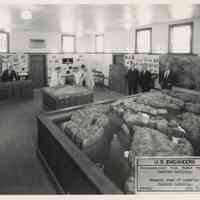
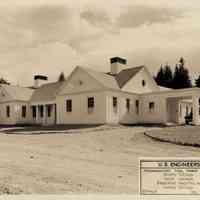
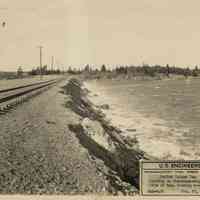
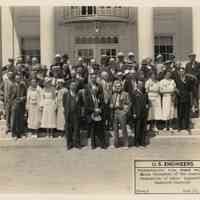
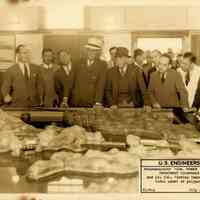
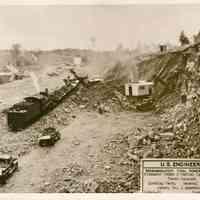
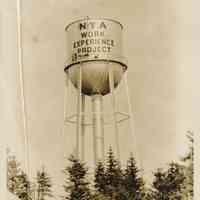
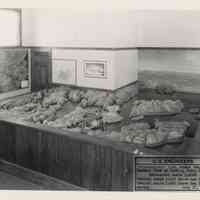
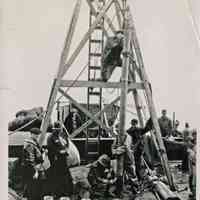
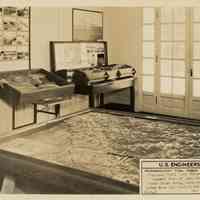
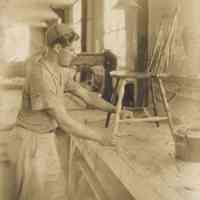
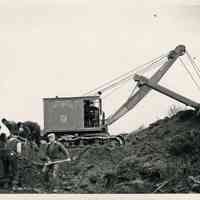
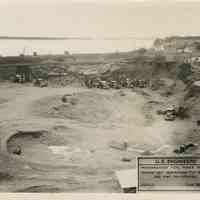
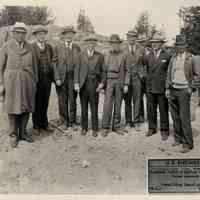
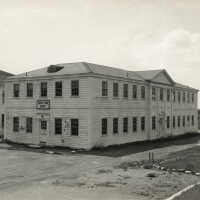
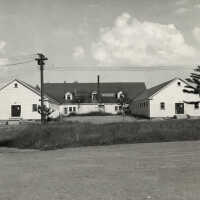
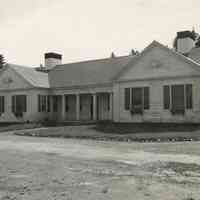
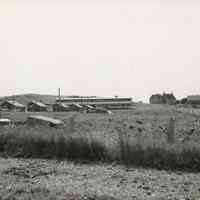
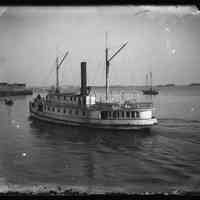
Passenger Steamer off the Eastport, Maine Waterfront, c.1900 | Furman 5
Photograph from glass plate negative from John Pike Grady's house, 1 Adams Street, Eastport, Maine. Gift of Ross Y. Furman, 2025. Part of the Ross Y. Furman Advance Collection.
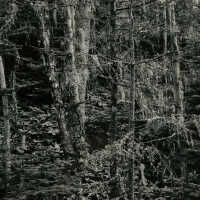
Paul Caponigro (1932-2024) | Woods, Lubec, Maine | c.1960
A photograph of woods in Lubec, Maine by photographer, Paul Caponigro. The photograph dates to about 1960. The Tides Institute acquired the photograph at auction in Boston after being tipped off about the photograph and auction by one of the institute’s trustees. Caponigro was part of a group of Boston based artists who visited Lubec for many years and particularly during the 1950s and 1960s. They were led there by artist, Nina Bohlen, whose family had deep ties to Lubec and had houses and land there. In addition to Caponigro and Bohlen, other Boston based artist who were part of the annual artist migration to Lubec included Hyman Bloom, Steven Trefonides, Nicholas Dean and Marie Cosindas. Caponigro was born in Boston in 1932 and studied with photographer, Minor White, and then taught photography part-time at Boston University in the 1960s. Later, for 20 years, Caponigro lived in New Mexico where he explored the landscape of the American Southwest. He is considered one of the leading landscape photographers in the United States. Caponigro’s photograph of woods in Lubec, Maine is one of two photographs by him of Lubec in the collections of the Tides Institute. The other is a landscape photograph of Raven’s Gulch that dates to 1960. The institute also has a photograph of Caponigro taken at Lubec during this same time by fellow Boston photographer and Lubec visitor, Nicholas Dean. Artist: Paul Caponigro Medium: Photograph Classification: Photographs Old Accession Number: 186
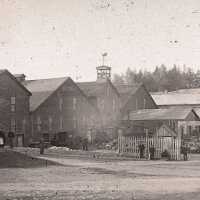
Pembroke Iron Works, Pembroke, Maine
IRON WORKS! PEMBROKE! A second rare photo from our collections of the Iron Works buildings in Pembroke, Maine. Photo dates to about 1870.
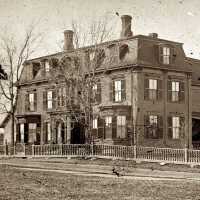
Pembroke Ironworks, Agent's Mansion, Pembroke, Maine
AGENT'S MANSION, PEMBROKE (MAINE) IRON WORKS, c.1880! Photo from our collection of the mansion for the resident agent for the Pembroke Iron Works Company in Pembroke, Maine. Photo dates to about 1880. The mansion was destroyed by fire in 1883.
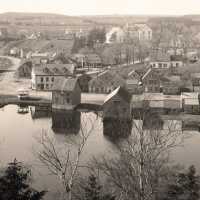
Pembroke, Maine
PEMBROKE, c.1890! Photo from our collections of Pembroke, Maine along the Pennamaquan River in about 1890.
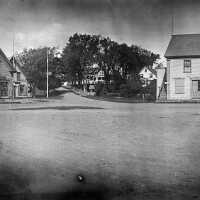
Pembroke, Maine | Charles E. Brown
Print from photographic negative. Gift of Margaret "Meg" McGarvey of Eastport, Maine. Artist: Charles E. Brown Classification: Photographs Circa: 1900 Old Accession Number: 1655
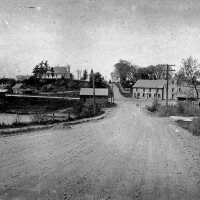
Pembroke, Maine | [No Artist Defined]
Print from photographic negative. Gift of Margaret "Meg" McGarvey of Eastport, Maine. Classification: Photographs Circa: 1900 Old Accession Number: 1688
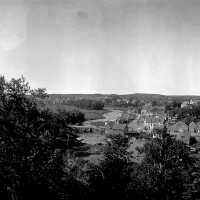
Pembroke, Maine | [No Artist Defined]
Print from photographic negative. Gift of Margaret "Meg" McGarvey of Eastport, Maine. Classification: Photographs Circa: 1900 Old Accession Number: 1686
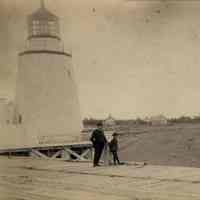
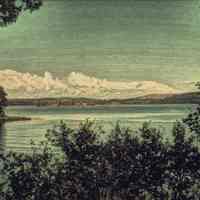
Peter Jackson | St. Croix Island 1604
From Estate of Jane Porter of Portsmouth, New Hampshire and Bucks Harbor, Maine, 2024. 13 5/8" x 7 5/8".
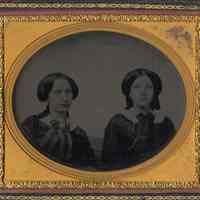
Phoebe and Lizzie Lee | Calais, Maine | Ambrotype Photograph, c. 1850s
Gift of Larry Lafoe, 2024.
Photograph from Unitarian Church, Eastport, Maine | Davis Loring | c.1890
VIEW FROM UNITARIAN CHURCH STEEPLE, EASTPORT, C.1890! In an age before drones, this extremely rare photo in our collections gives a view from the steeple of the Unitarian Church on Shackford Street in Eastport, Maine. View is looking northeast and shows our Congregational Church building (center right), the back of the Washington Street Baptist Church (center) and Fort Sullivan (in distance left). In the far distance are several islands (left to right, Deer, Indian and Cherry) in New Brunswick. Photo dates to about 1890. The Unitarian Church building burned to the ground in 1946.
Photograph of Painting of Le Baron Cooke by Harley Perkins
Photograph of the painting was taken in 1979 at the home of Anne Mathews, 41 Washington Street, Lubec, Maine. Anne Mathews was a cousin of Le Baron Cooke and had in her possession the painting as well as several books of poems written by Le Baron Cooke and several books that came from his library. Notes from an interview by Hugh French with Mrs. Anne Mathews, 41 Washington Street, Lubec, Maine August 22, 1979. Wednesday, early afternoon. Mrs. Mathews was Le Baron Cooke’s cousin. The interview took place in Mrs. Mathews’ living room which was quite a small room. I sat on a soft chair opposite a sofa where Mrs. Mathews sat. A large oil painting (about 3 feet by 2 feet) of Le Baron Cooke done by Harley Perkins (a long time close friend of Le Baron’s) hung on the wall behind. Mrs. Matthews faced me. The library books of Le Baron’s (given to Mrs. Mathews by Harley Perkins) occupied part of the shelves of the two bookcases in the room. Mrs. Mathews currently lives alone in a well-kept fairly small house. She is about 65-70 years old, a woman of slight build and white hair. She is retired now after several years of teaching and office work. Her husband died about 15 years ago. An extensive flower garden by her house keeps her busy. Mrs. Mathews was born on Deer Island, New Brunswick, grew up at Lubec, worked many years away, and returned to teach at Lubec for a couple years (about 1965 to 1974). When living away, Mrs. Mathews returned to Lubec every summer. Mrs. Mathews said she didn’t know Barry, but that her sisters did. Barry used to come to Deer Island occasionally. He had an aunt there. In their thirties (Barry and Harley?). They came to this section: Deer Island, Campobello, Grand Manan. Harley would sketch. Anne Mathews' father and her people were from Deer Island, New Brunswick. She was born in Deer Island. At 9 months of age, she and her family moved to Lubec. She attended Lubec Schools and then Machias Normal School. She taught school for two years in Vermont and then taught school for two years in Maine. She was in Lubec during the Depression. She then married and went to Boston, late 1930s? She lived in Boston, then lived in New London, Connecticut and then moved to Ohio. She spent most of her life in Ohio and worked in an office. She came home every summer to Lubec. Her husband, a master plumber, died four days after they returned to Lubec. She worked as a maid for Sumner Pike and then went back to Machias to finish her degree. One year, she taught at Perkins School for Special Children in Lancaster, Massachusetts. 41 Washington Street in Lubec was her family home. She taught at Camden, Maine, a regular class. She taught at Stoneham, Massachusetts for 7 years. She went to night school at Boston University for Master’s Degree. In 1965-66, she returned to Lubec and taught there for nine years. Le Baron Cooke had studio apartment on the Fenway. Harley Perkins was married. He was friends for years with “Barry.” Anne Matthews lunched with Perkins quite often when she was going to Boston University. She met him when there was notice of his exhibit. His exhibits were in mid-west and Boston. “Barry” never really made it as a poet. He did critiques and reviewed books for the Christian Science Monitor. Le Baron Cooke was born in Eastport. His mother died in childbirth. There were just the two boys, Anne’s father and “Barry’s” father. “Barry” never had any family life. “Barry’s” father married again. He never paid any attention to “Barry,” ignored him. “Barry’s” step-mother was cold and selfish. “Barry’s” father made much money, but never gave any to “Barry,” Anne didn’t know where “Barry” grew up, he was quite young when he went to Boston. There is a painting of Le Baron Cooke by Rosamond Smith called Poet and Pierrot at the Portland Museum of Art in Portland, Maine. Le Baron Cooke in group which painted and wrote and did reviews, also chamber music. They used to meet. “Barry” had a dog. Anne lost touch with “Barry” after going to Boston. “Barry’s” father went to California. Anne’s father didn’t even know that “Barry’s” father had died. “Barry” never really had a home or affection. Harley’s people were wealthy. They helped “Barry” a lot. “Barry” also did sketches as well as book reviews. Anne says life of “Barry’s” always seemed lacking in warmth. George Barry[Cooke?] was “Barry’s” father. Harley died in about the early 1960s. Someone who knew “Barry” in Boston were Eunice and Frederic Langenbach, Riverholm, Skowhegan, Maine 04976. They knew Harley as well. “Barry” died in Boston. Anne thinks he was buried in Boston? At least not Eastport. Le Baron Cooke would come back to this area occasionally in the summers with Harley. They would go to Cape Cod and to Europe together. Harley gave “Barry’s” library of books to Anne. The library books include: Adelaide Crapsey, Amy Lowell, Sara Tisdale, T.S. Eliot, a romantic, Keats, Walter Scott, Mansfield, Browning, Kipling, Harriet Monroe. Harriett Monroe gave “Barry” a copy of her poems, The Difference and Other Poems in July, 1924. “Barry” lived such a haphazard life. Harley painted seascapes, pastels and his latest were abstract. He was a prolific painter. Harley didn’t teach at the Eastport art school. He didn’t teach. Among the books in “Barry’s” library was one by Kate Gannet Wells. She founded the Campobello library. “Barry” was a friend of hers. “Barry” also had a copy of the book, History of Eastport and. Passamaquoddy, by William Henry Kilby. Perhaps he was still interested in his background. This was the only book he had other than poetry in his library. Another friend of “Barry’s” was the painter, Harriet O’Brien. “Barry” was 10-15 years older than Anne. 402 Fenway Studio.
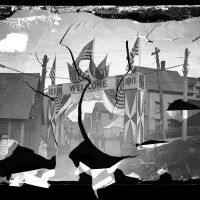
Photographer Once Known | Lubec, Maine Glass Plate Negative, Number 1
Lubec Centennial, 1911. Gift from the Estate of Sheila Fernald Malloch, 2022.
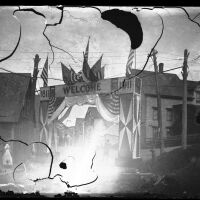
Photographer Once Known | Lubec, Maine Glass Plate Negative, Number 10
Lubec Centennial, 1911. Gift from the Estate of Sheila Fernald Malloch, 2022.
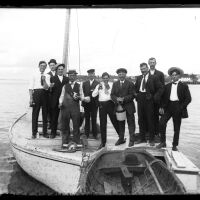
Photographer Once Known | Lubec, Maine Glass Plate Negative, Number 11
Gift from the Estate of Sheila Fernald Malloch, 2022.
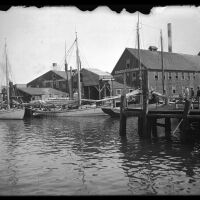
Photographer Once Known | Lubec, Maine Glass Plate Negative, Number 12
Seacoast Canning Company sardine factories, Number 8 (right) and 9 (left), Lubec, Maine. Gift from the Estate of Sheila Fernald Malloch, 2022.
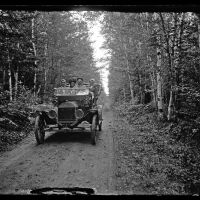
Photographer Once Known | Lubec, Maine Glass Plate Negative, Number 13
Gift from the Estate of Sheila Fernald Malloch, 2022.
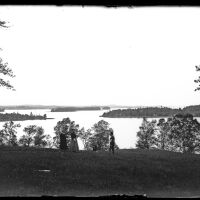
Photographer Once Known | Lubec, Maine Glass Plate Negative, Number 14
Gift from the Estate of Sheila Fernald Malloch, 2022.
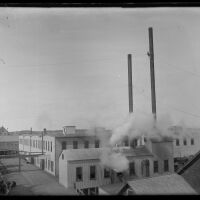
Photographer Once Known | Lubec, Maine Glass Plate Negative, Number 15
American Can Factory plant, Lubec, Maine. Gift from the Estate of Sheila Fernald Malloch, 2022.
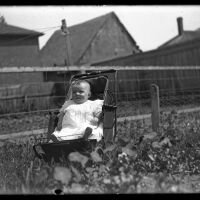
Photographer Once Known | Lubec, Maine Glass Plate Negative, Number 16
Gift from the Estate of Sheila Fernald Malloch, 2022.
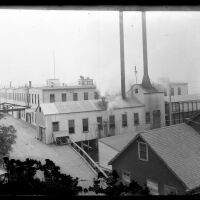
Photographer Once Known | Lubec, Maine Glass Plate Negative, Number 17
American Can Factory plant, Lubec, Maine. Gift from the Estate of Sheila Fernald Malloch, 2022.
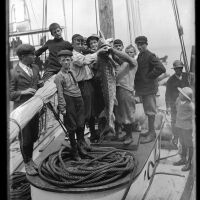
Photographer Once Known | Lubec, Maine Glass Plate Negative, Number 18
Boys surrounding and holding up sturgeon fish. Gift from the Estate of Sheila Fernald Malloch, 2022.
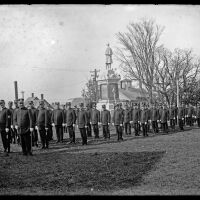
Photographer Once Known | Lubec, Maine Glass Plate Negative, Number 19
Lubec Civil War monument, Main Street, Lubec, Maine. Gift from the Estate of Sheila Fernald Malloch, 2022.
Photographer Once Known | Lubec, Maine Glass Plate Negative, Number 2
Lubec Centennial, 1911. Gift from the Estate of Sheila Fernald Malloch, 2022.
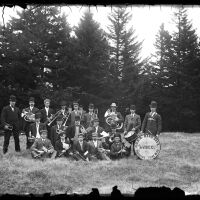
Photographer Once Known | Lubec, Maine Glass Plate Negative, Number 20
I.O.R.M. [Improved Order of Red Men] Band Association, Cobscook Tribe, No. 80, Lubec, Maine. Gift from the Estate of Sheila Fernald Malloch, 2022.
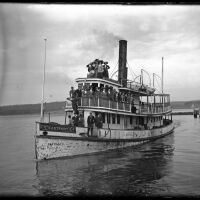
Photographer Once Known | Lubec, Maine Glass Plate Negative, Number 21
Steamer, Eastport. Gift from the Estate of Sheila Fernald Malloch, 2022.
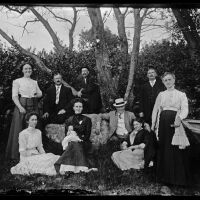
Photographer Once Known | Lubec, Maine Glass Plate Negative, Number 22
Gift from the Estate of Sheila Fernald Malloch, 2022.
Photographer Once Known | Lubec, Maine Glass Plate Negative, Number 23
Early painting of Lubec, Maine. Gift from the Estate of Sheila Fernald Malloch, 2022.
Photographer Once Known | Lubec, Maine Glass Plate Negative, Number 24
Early painting of Lubec, Maine. Gift from the Estate of Sheila Fernald Malloch, 2022.
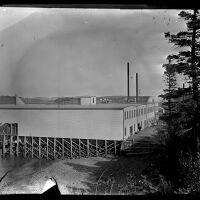
Photographer Once Known | Lubec, Maine Glass Plate Negative, Number 25
American Can Company plant, Lubec, Maine. Gift from the Estate of Sheila Fernald Malloch, 2022.
Photographer Once Known | Lubec, Maine Glass Plate Negative, Number 26
Gift from the Estate of Sheila Fernald Malloch, 2022.
Photographer Once Known | Lubec, Maine Glass Plate Negative, Number 27
Gift from the Estate of Sheila Fernald Malloch, 2022.
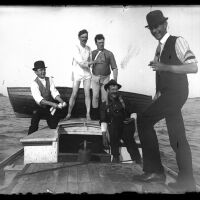
Photographer Once Known | Lubec, Maine Glass Plate Negative, Number 28
Gift from the Estate of Sheila Fernald Malloch, 2022.
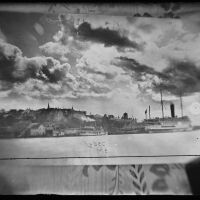
Photographer Once Known | Lubec, Maine Glass Plate Negative, Number 29
View of Lubec Maine waterfront. Gift from the Estate of Sheila Fernald Malloch, 2022.
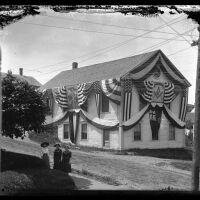
Photographer Once Known | Lubec, Maine Glass Plate Negative, Number 3
Masonic Hall building, Main Street, Lubec, Maine. Gift from the Estate of Sheila Fernald Malloch, 2022.
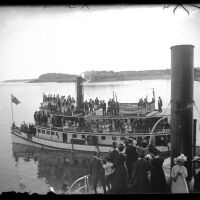
Photographer Once Known | Lubec, Maine Glass Plate Negative, Number 30
Steamer, Lubec, departing Lubec, Maine waterfront. Campobello Island, New Brunswick is in the background. Gift from the Estate of Sheila Fernald Malloch, 2022.
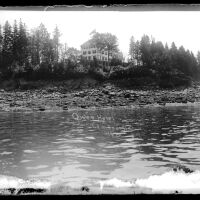
Photographer Once Known | Lubec, Maine Glass Plate Negative, Number 31
Owen Hotel, Campobello Island, New Brunswick. Gift from the Estate of Sheila Fernald Malloch, 2022.
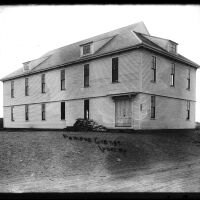
Photographer Once Known | Lubec, Maine Glass Plate Negative, Number 32
Pomona Grange Hall, Lubec, Maine. Gift from the Estate of Sheila Fernald Malloch, 2022.
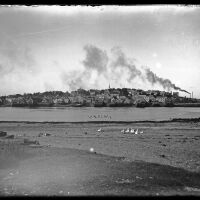
Photographer Once Known | Lubec, Maine Glass Plate Negative, Number 33
View of Lubec, Maine from Campobello Island, New Brunswick. Gift from the Estate of Sheila Fernald Malloch, 2022.
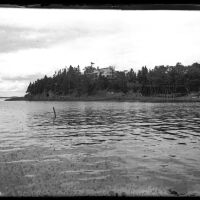
Photographer Once Known | Lubec, Maine Glass Plate Negative, Number 34
Owen Hotel, Campobello Island, New Brunswick, c. 1910. Gift from the Estate of Sheila Fernald Malloch, 2022.
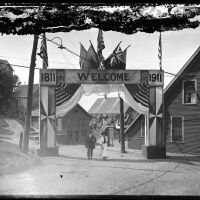
Photographer Once Known | Lubec, Maine Glass Plate Negative, Number 35
Lubec Centennial celebration, 1911. Gift from the Estate of Sheila Fernald Malloch, 2022.
Photographer Once Known | Lubec, Maine Glass Plate Negative, Number 36
Gift from the Estate of Sheila Fernald Malloch, 2022.
Photographer Once Known | Lubec, Maine Glass Plate Negative, Number 37
Gift from the Estate of Sheila Fernald Malloch, 2022.
Photographer Once Known | Lubec, Maine Glass Plate Negative, Number 38
Gift from the Estate of Sheila Fernald Malloch, 2022.
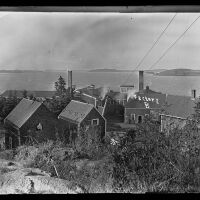
Photographer Once Known | Lubec, Maine Glass Plate Negative, Number 39
Gift from the Estate of Sheila Fernald Malloch, 2022.
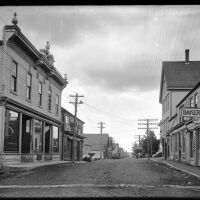
Photographer Once Known | Lubec, Maine Glass Plate Negative, Number 4
Downtown Lubec, Maine. Gift from the Estate of Sheila Fernald Malloch, 2022.
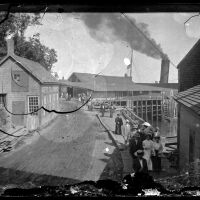
Photographer Once Known | Lubec, Maine Glass Plate Negative, Number 40
Gift from the Estate of Sheila Fernald Malloch, 2022.
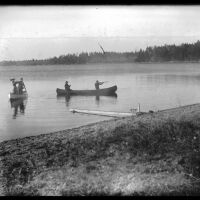
Photographer Once Known | Lubec, Maine Glass Plate Negative, Number 41
Gift from the Estate of Sheila Fernald Malloch, 2022.
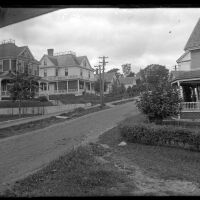
Photographer Once Known | Lubec, Maine Glass Plate Negative, Number 42
Looking up Main Street, Lubec, Maine. Gift from the Estate of Sheila Fernald Malloch, 2022.
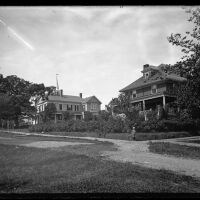
Photographer Once Known | Lubec, Maine Glass Plate Negative, Number 43
School Street, Lubec, Maine with Jeremiah Fowler House at left. Gift from the Estate of Sheila Fernald Malloch, 2022.
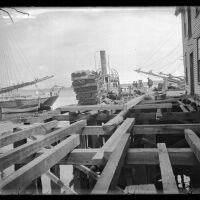
Photographer Once Known | Lubec, Maine Glass Plate Negative, Number 44
Gift from the Estate of Sheila Fernald Malloch, 2022.
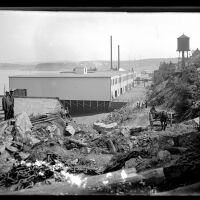
Photographer Once Known | Lubec, Maine Glass Plate Negative, Number 45
American Can Company plant, Lubec, Maine. Gift from the Estate of Sheila Fernald Malloch, 2022.
Photographer Once Known | Lubec, Maine Glass Plate Negative, Number 46
Tyn-y-Coed Hotel (left) and summer cottages (right), Campobello Island, New Brunswick. Summer cottages (left to right) are Hubbard cottage, James and Sara Roosevelt cottage (torn down in the 1950s) and Franklin and Eleanor Roosevelt cottage. Gift from the Estate of Sheila Fernald Malloch, 2022.
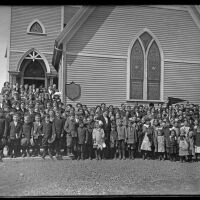
Photographer Once Known | Lubec, Maine Glass Plate Negative, Number 47
Christian Temple Church, Lubec, Maine. Gift from the Estate of Sheila Fernald Malloch, 2022.
Photographer Once Known | Lubec, Maine Glass Plate Negative, Number 48
Gift from the Estate of Sheila Fernald Malloch, 2022.
Photographer Once Known | Lubec, Maine Glass Plate Negative, Number 49
View of Lubec, Maine from Campobello Island, New Brunswick. Gift from the Estate of Sheila Fernald Malloch, 2022.
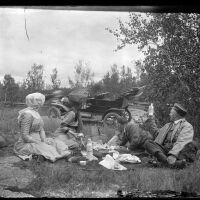
Photographer Once Known | Lubec, Maine Glass Plate Negative, Number 5
Gift from the Estate of Sheila Fernald Malloch, 2022.
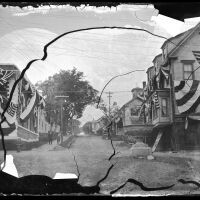
Photographer Once Known | Lubec, Maine Glass Plate Negative, Number 50
Corner of Water and Main Streets, Lubec, Maine. Note cast iron water fountain in center of intersection, Gift from the Estate of Sheila Fernald Malloch, 2022.
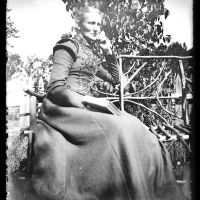
Photographer Once Known | Lubec, Maine Glass Plate Negative, Number 51
Gift from the Estate of Sheila Fernald Malloch, 2022.
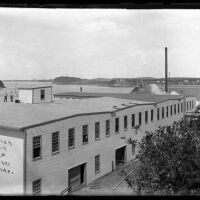
Photographer Once Known | Lubec, Maine Glass Plate Negative, Number 52
American Can Company plant, Lubec, Maine. Gift from the Estate of Sheila Fernald Malloch, 2022.
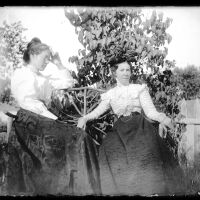
Photographer Once Known | Lubec, Maine Glass Plate Negative, Number 53
Gift from the Estate of Sheila Fernald Malloch, 2022.
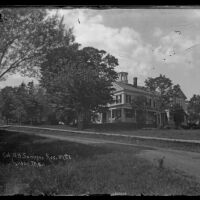
Photographer Once Known | Lubec, Maine Glass Plate Negative, Number 54
Jeremiah Fowler House, 35 School Street, Lubec, Maine. Gift from the Estate of Sheila Fernald Malloch, 2022.
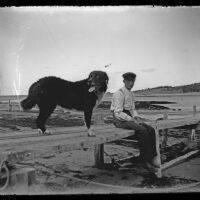
Photographer Once Known | Lubec, Maine Glass Plate Negative, Number 55
Gift from the Estate of Sheila Fernald Malloch, 2022.
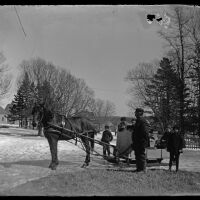
Photographer Once Known | Lubec, Maine Glass Plate Negative, Number 56
Gift from the Estate of Sheila Fernald Malloch, 2022.
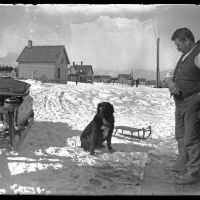
Photographer Once Known | Lubec, Maine Glass Plate Negative, Number 57
Gift from the Estate of Sheila Fernald Malloch, 2022.
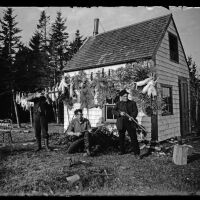
Photographer Once Known | Lubec, Maine Glass Plate Negative, Number 58
Gift from the Estate of Sheila Fernald Malloch, 2022.
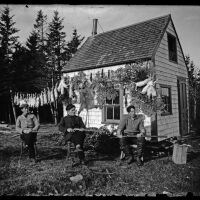
Photographer Once Known | Lubec, Maine Glass Plate Negative, Number 59
Gift from the Estate of Sheila Fernald Malloch, 2022.
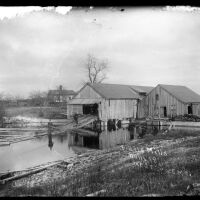
Photographer Once Known | Lubec, Maine Glass Plate Negative, Number 6
Halls Mills, Whiting, Maine. Gift from the Estate of Sheila Fernald Malloch, 2022.
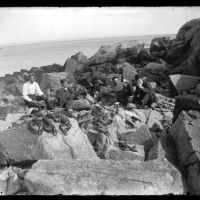
Photographer Once Known | Lubec, Maine Glass Plate Negative, Number 60a
Gift from the Estate of Sheila Fernald Malloch, 2022.
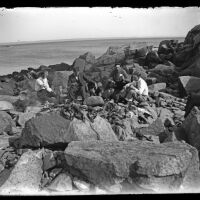
Photographer Once Known | Lubec, Maine Glass Plate Negative, Number 60b
Gift from the Estate of Sheila Fernald Malloch, 2022.
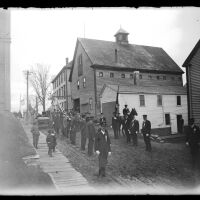
Photographer Once Known | Lubec, Maine Glass Plate Negative, Number 61
Gift from the Estate of Sheila Fernald Malloch, 2022.
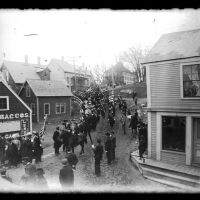
Photographer Once Known | Lubec, Maine Glass Plate Negative, Number 62
Gift from the Estate of Sheila Fernald Malloch, 2022.
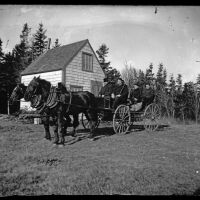
Photographer Once Known | Lubec, Maine Glass Plate Negative, Number 63
Gift from the Estate of Sheila Fernald Malloch, 2022.
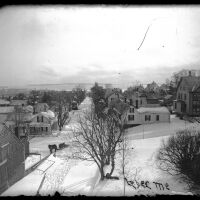
Photographer Once Known | Lubec, Maine Glass Plate Negative, Number 64
Gift from the Estate of Sheila Fernald Malloch, 2022.
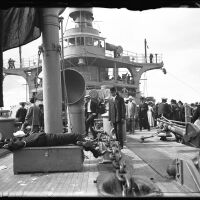
Photographer Once Known | Lubec, Maine Glass Plate Negative, Number 65
Gift from the Estate of Sheila Fernald Malloch, 2022.
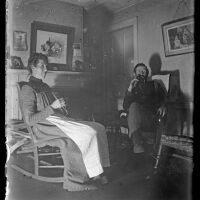
Photographer Once Known | Lubec, Maine Glass Plate Negative, Number 66
Gift from the Estate of Sheila Fernald Malloch, 2022.
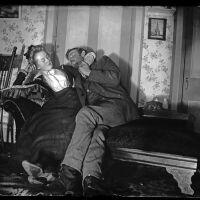
Photographer Once Known | Lubec, Maine Glass Plate Negative, Number 67
Gift from the Estate of Sheila Fernald Malloch, 2022.
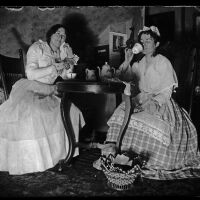
Photographer Once Known | Lubec, Maine Glass Plate Negative, Number 68
Gift from the Estate of Sheila Fernald Malloch, 2022.
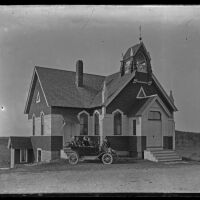
Photographer Once Known | Lubec, Maine Glass Plate Negative, Number 7
Gift from the Estate of Sheila Fernald Malloch, 2022.
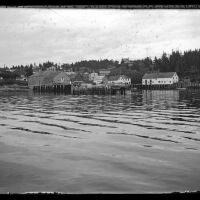
Photographer Once Known | Lubec, Maine Glass Plate Negative, Number 8
Welshpool, Campobello Island, New Brunswick. Gift from the Estate of Sheila Fernald Malloch, 2022.
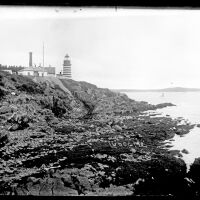
Photographer Once Known | Lubec, Maine Glass Plate Negative, Number 9
West Quoddy Head Lighthouse, Lubec, Maine. Gift from the Estate of Sheila Fernald Malloch, 2022.
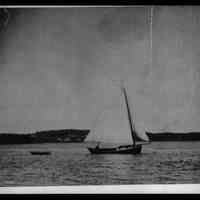
Pinking Sloop, Eastport, Maine
National Archive Number: 22-CD-249 (Cropped)
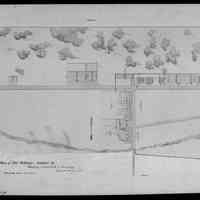
Plan of Fort Sullivan, Eastport, Maine Showing Present Site of Buildings
From copy negative from National Archives. Copy negative in collection files.
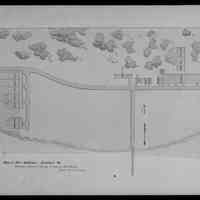
Plan of Fort Sullivan, Eastport, Maine Showing Proposed Changes in Site of Buildings
From copy negative from National Archives. Copy negative in collection files.
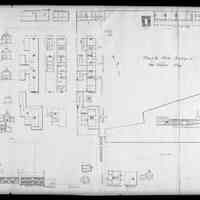
Pleasant Point / Sipayik, Maine | Charles E. Brown, Photographer
Print from photographic negative. Gift of Margaret "Meg" McGarvey of Eastport, Maine. Classification: Photographs Circa: 1900 Old Accession Number: 1660 Passamaquoddy
Pleasant Point / Sipayik, Maine | [No Artist Defined]
Print from photographic negative. Gift of Margaret "Meg" McGarvey of Eastport, Maine. Classification: Photographs Circa: 1900 Old Accession Number: 1680 Passamaquoddy
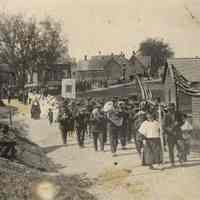
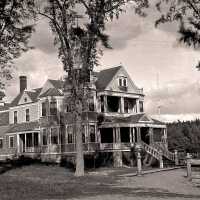
Pomroy House, Pembroke, Maine
POMROY HOUSE, PEMBROKE, c.1900! Photo from our collections of the Pomroy House in Pembroke, Maine. Photo dates to about 1900. The main house was built by Dr. Thomas Pomroy, a native of Pembroke, in 1898 and was destroyed by fire in 1946. The separate "pool house” for billiards survived the fire and was later moved to where it continues to stand on Front Street in Pembroke.
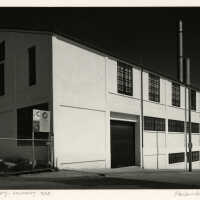
Portola Sardine Cannery, Monterey, California | Gordon Hastings Jr.
Artist: Gordon Hastings Jr. Medium: Photograph Classification: Photographs Circa: 1984 Old Accession Number: 492 Description: March 1984
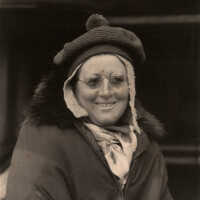
Portrait [Duck Lake, Maine] | William Llyman Underwood
Artist: William Lyman Underwood Medium: Photograph Circa: 1896 Old Accession Number: 614 Description: Portrait. Duck Lake
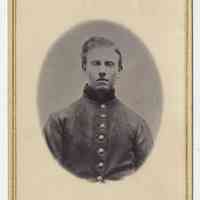
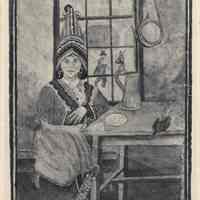
Portrait of Denny Neptune Soccabeson | Lt. Alexander Henry Charles Villiers (d. 1847-1849) | Photograph of Original Watercolor Painting
Photograph of original watercolor painting. Original painting is now in the collections of Colonial Williamsburg. See web link to Colonial Williamsburg entry on this painting. Description from Colonial Williamsburg web site: An interior scene with a Native woman seated, her arms crossed, on a bench in front of a table set with a pitcher, two dishes (one seems to be slipping off the table), and a feather object hanging over the edge of the table. The woman is dressed in an elaborate costume including a high-crowned, decorated hat completely covering her hair. She wears a cross on a chain around her neck and large hoops in her ears. A small cradleboard supporting a bound figure is propped beside her against a table leg. A water canteen hangs from a strap to the right of the window. The scene outside the window includes two men in military dress marching towards one another; one carries a rifle on his shoulder and the other carries a sword. Two large buildings are situated beyond the marching men. Artist unidentified. Label Text from Colonial Williamsburg web site: Native American women often accompanied their husbands on trading missions, sometimes carrying on the active business of bartering on these excursions. Likely this Passamaquoddy woman came to Fort Sullivan (now part of Eastport, Maine) for such a purpose. Shown seated in one of the barracks buildings, the sitter was the daughter of Francis Joseph Neptune, hereditary leader of the Passamaquoddy who occupied nearby Point Pleasant. Her colorful traditional attire includes a conical cap and overdress with leggings; she also wears two circular silver brooches, earrings, and a pendant cross on a bead necklace. The figure strapped onto the cradleboard in front of her represents a baby, not a doll. The town of Eastport was occupied by British troops during the War of 1812, with a garrison at Fort Sullivan. Access to the fort was strictly controlled during 1814-1818, so it is surmised that this 1817 portrait of Soccabeson was rendered by one of the British officers stationed there. Sketches of the bay and harbor executed by Lt. Alexander Henry Charles Villiers survive, making him a candidate for the portrait artist. A nineteenth-century history of the area describes Villiers as being "extremely fond of drawing."
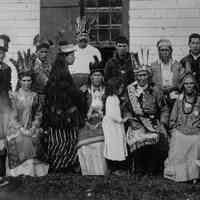
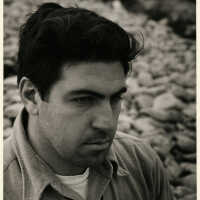
Portrait of Paul Caponigro at Lubec, Maine | Nicholas Dean | 1962 | Silver Gelatin Print
Artist: Nicholas Dean Medium: Photograph Classification: Photographs Old Accession Number: 21
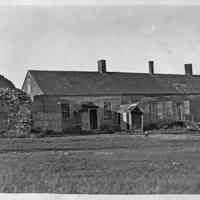
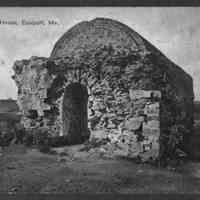
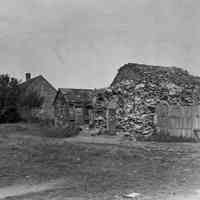
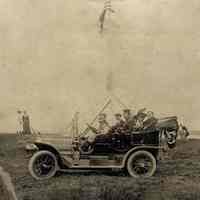
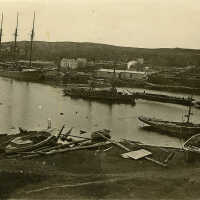
Prince's Cove, Eastport, Maine | Fred Milliken
Artist: Fred Milliken Classification: Photographs Circa: 1910 Old Accession Number: 1653
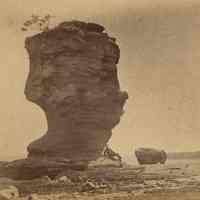
Pulpit Rock | Perry, Maime | c.1890.
PULPIT ROCK, PERRY, C.1890! Photo from our collections that shows a view of the Pulpit Rock formation in Perry, Maine along the shores of Passamaquoddy Bay. Photo dates to about 1890. If you look closely you can see a man sitting at the base of the rock formation. He is identified on the back of the photo as Louis Boyden.
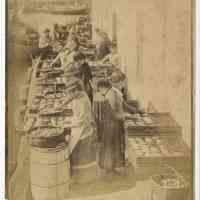
Putting Sardines in Flakes for Drying, Eastport, Maine
C 379 - National Archive Number. Part of a group of six photographs with five secured in 2024 and one in 2026. They all appear to be albumen photographic prints made from original glass plate negatives taken by T. W. Smillie for the U.S. Fisheries Commission in the early 1880s. One of the six photograph is stamped on the back: "Photograph by Brown Brothers, 1482 Broadway, New York."
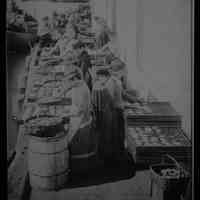
Putting Sardines on Flakes for Drying, Eastport, Maine
National Archive Number: 22-CD-379
Quoddy Fishing Boat at Anchor near Eastport, Maine 1882
National Archive Number: 22-CD-256
R. Clinton Fuller (1853-1941) | Avery Lighthouse | Machias Bay | Glass Magic Lantern Slide
Museum purchase, 2025 from Ebay.
R. Clinton Fuller (1853-1941) | Buck's Harbor | Machiasport, Maine | Glass Magic Lantern Slide
Museum purchase, 2025 from Ebay.
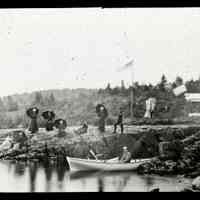
R. Clinton Fuller (1853-1941) | Camping Party | Buck's Harbor, Maine | Glass Magic Lantern Slide 1884
CAMPING PARTY, BUCK'S HARBOR, 1884! Glass magic lantern slide in our collections that shows a camping party on the shore in Buck's Harbor in Machiasport in Washington County, Maine. Slide dates to 1884 and was taken by R. Clinton Fuller of the Providence Camera Club of Providence, Rhode Island. The slide is one of a large number of slides that have come into our collections that were taken by Fuller of the Machias Bay area of Washington County in the 1880s and 1890s. Museum purchase, 2025 from Ebay. Email from Lyman Holmes of Machias, Maine, January 16, 2025: R. Clinton Fuller photos Contact photo From Lyman Holmes (llholmes1948@yahoo.com) To hfrench@tidesinstitute.org Date Wed 20:50 Summary Headers Plain text Good Afternoon Hugh, I am very pleased that the Tides Institute is pursuing the series of photos of eastern Maine taken by R. Clinton Fuller which are listed on ebay. As you may be aware, R. Clinton Fuller (Rufus Clinton Fuller) was a businessman from Providence, RI who married Julia Pope Ames, daughter of John K. Ames, a prominent Machias lumberman and mill owner. One of Julia's brothers was Alfred K. Ames of Machias who ran unsuccessfully for Maine governor in 1934. He is perhaps better known today as the producer of the film now known as Stump to Ship. Another brother was Edwin G. Ames who was a prominent lumberman in Washington State. Although they resided in Providence, Clinton and Julia Fuller seemed to have spent a good deal of time in eastern Maine. The Ames family had a cottage in Bucks Harbor and that may account for the fact that many of Fuller's photos seem to be of that area. R. Clinton Fuller was the president of the Providence Camera Club at one time. I wish we knew where the fish wharf was but I suspect that it was probably in the Bucks Harbor area. The photos of the U.S.S. Machias (PG-5) must be of the visit of that ship and its crew to Machias in 1893. I have never seen many photos of this event. The photo of the Rim Bridge and the Rim Road are especially interesting because they predate the railroad. I should also note that good quality photos of the Avery Rock Lighthouse are not common. I hope you are successful in obtaining all of these photos. We will have to talk more sometime in the future. Best regards, Lyman Holmes 461-6027
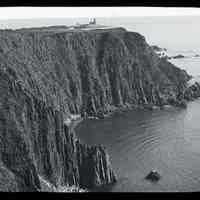
R. Clinton Fuller (1853-1941) | Cliffs, Grand Manan | Glass Magic Lantern Slide
Museum purchase, 2025 from Ebay.
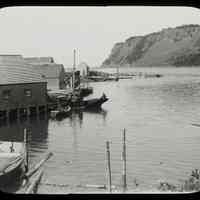
R. Clinton Fuller (1853-1941) | Dark Harbour, Grand Manan | Glass Magic Lantern Slide | 1899
DARK HARBOUR, GRAND MANAN, 1899! Glass magic lantern slide in our collections that shows a view from 1899 of Dark Harbour on the western side Grand Manan island in New Brunswick. In the background are some of the massive cliffs along this side of the island. Dark Harbour is the only indentation in this long wall of cliffs. A natural seawall created a protective Dark Harbour pond that is famous for its Dark Harbour dulse seaweed. Fishing and the smoking of fish have long been associated with Dark Harbour. The slide was taken by R. Clinton Fuller of the Providence Camera Club of Providence, Rhode Island and is one of a large number of slides that have come into our collections that were taken by Fuller of the eastern coast of Maine and neighboring Canada in the 1880s and 1890s. Museum purchase, 2025 from Ebay.
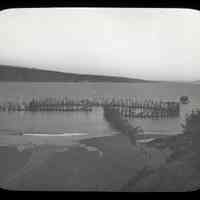
R. Clinton Fuller (1853-1941) | Fish Weir | Howard's Mountain | Machias Bay | Glass Magic Lantern Slide
Museum purchase, 2025 from Ebay.
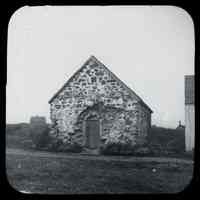
R. Clinton Fuller (1853-1941) | Fort Sullivan Powder Magazine | Eastport, Maine | Glass Magic Lantern Slide | 1899
Museum purchase, 2025 from Ebay.
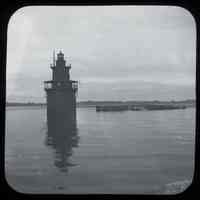
R. Clinton Fuller (1853-1941) | Lubec Channel Light | Lubec, Maine | Glass Magic Lantern Slide | 1899
LUBEC CHANNEL LIGHT, 1899! Glass magic slide in our collections that shows the sparkplug style lighthouse in the Lubec Channel between Lubec, Maine and Campobello Island, New Brunswick. South Lubec is in the background with a herring weir coming out from the shore on the right side of the lighthouse. Slide dates to 1899 and is titled on the slide as "Bug Light." Slide was taken by R. Clinton Fuller of the Providence Camera Club of Providence, Rhode Island. If you look closely you can see in the upper right of the slide a two masted schooner under sail. The slide is one of a large number of slides that have come into our collections that were taken by Fuller of the eastern coast of Maine and neighboring Canada in the 1880s and 1890s. Museum purchase, 2025 from Ebay.
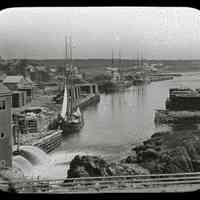
R. Clinton Fuller (1853-1941) | Machias River | Downtown Machias, Maine | Glass Magic Lantern Slide
Museum purchase, 2025 from Ebay.
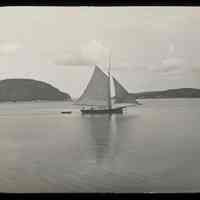
R. Clinton Fuller (1853-1941) | Sailing Yacht, Alert | Buck's Harbor, Machiasport, Maine | Glass Magic Lantern Slide | 1889
SAILING YACHT, ALERT, BUCK'S HARBOR, MACHIASPORT 1889! Glass magic lantern slide in our collections that shows the sailing yacht, Alert, at Buck's Harbor in Machiasport in Washington County, Maine. Slide dates to 1889 and was taken by R. Clinton Fuller of the Providence Camera Club of Providence, Rhode Island. The slide is one of a large number of slides that have come into our collections that were taken by Fuller of the eastern coast of Maine and neighboring Canada in the 1880s and 1890s. Museum purchase, 2025 from Ebay.
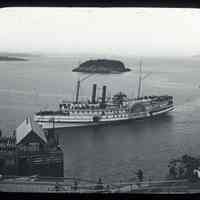
R. Clinton Fuller (1853-1941) | Steamer Cumberland | Lubec, Maine | Glass Magic Lantern Slide
Museum purchase, 2025 from Ebay.
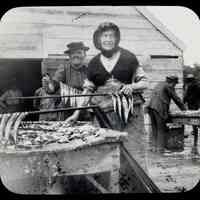
R. Clinton Fuller (1853-1941) | Stringing Herring | Machias, Maine Wharf | Glass Magic Lantern Slide | 1895
STRINGING HERRING, 1895! Glass magic lantern slide in our collections that shows two women stringing herring at a wharf near Machias in Washington County, Maine. Slide dates to 1895 and was taken by R. Clinton Fuller of the Providence Camera Club of Providence, Rhode Island. The slide is one of a large number of slides that have come into our collections that were taken by Fuller of the eastern coast of Maine and neighboring Canada in the 1880s and 1890s. Museum purchase, 2025 from Ebay.
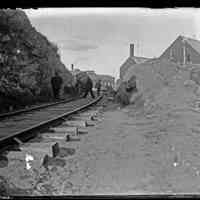
Railroad Track Near End of Sea Street, Eastport, Maine Waterfront, c.1900 | Furman 8
Photograph from glass plate negative from John Pike Grady's house, 1 Adams Street, Eastport, Maine. Gift of Ross Y. Furman, 2025. Part of the Ross Y. Furman Advance Collection.
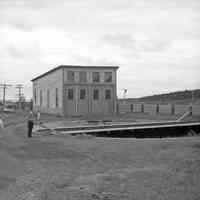
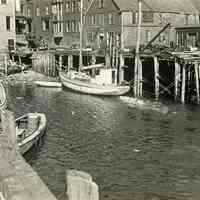
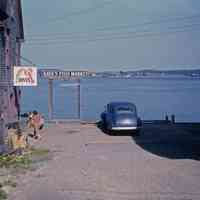
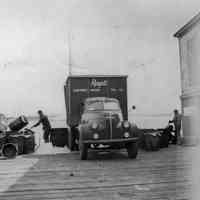
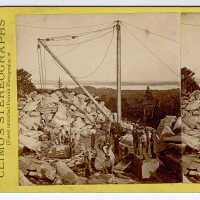
Red Granite Works and Lake Utopia, St. George, New Brunswick | [No Artist Defined]
Classification: Photographs Circa: 1890 Old Accession Number: 1707
Roque Bluffs, Maine |
Old Accession Number: 1429
Sail Boat Caught at Low Tide | Eastport, Maine
National Archive Number: 22-CD-402
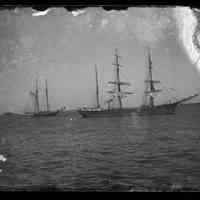
Sailing Vessels off Eastport, Maine Waterfront, c.1900 | Furman 14
Photograph from glass plate negative from John Pike Grady's house, 1 Adams Street, Eastport, Maine. Gift of Ross Y. Furman, 2025. Part of the Ross Y. Furman Advance Collection.
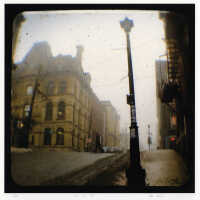
Saint John, New Brunswick | Adam Graham
Artist: Adam Graham Medium: Photograph Classification: Photographs Old Accession Number: 24 Intersection of Princess Street and Prince William Street, Saint John. Through the Lens Series. Scene is reversed in image.
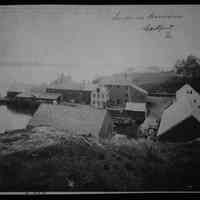
Sardine Canneries, Eastport, Maine
Little's Cove, Eastport, Maine with Martin & Caraher sardine factory. Multi-sided Gasworks building can be seen in background right. National Archive Number: 22-CD-404
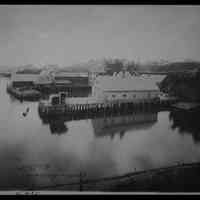
Sardine Canneries, Eastport, Maine
National Archive Number: 22-CD-405
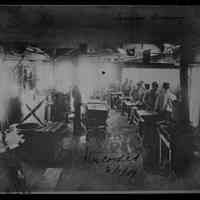
Sardine Cannery
National Archive Number: 22-CD-242
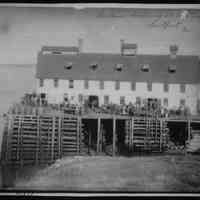
Sardine Cannery at Low Tide, Eastport, Maine
National Archive Number: 22-CD-377
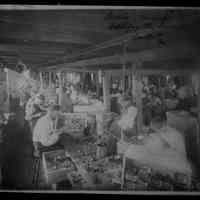
Sardine Cannery, Soldering the Cans, Eastport, Maine
National Archive Number: 22-CD-441
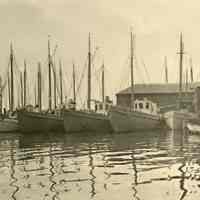
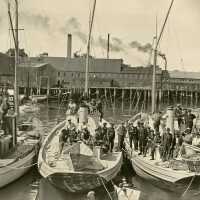
Sardine Carriers | Eastport, Maine
SARDINE CARRIERS, C.1925! Photo in our collections that shows four sardine carriers rafted together along the Eastport, Maine waterfront. The carrier second from left from the wharf is the Patrol. Photo dates to about 1925. While there is no photographer's name on the back or front of the photo, the photo is likely the work of Fred Milliken as it is very similar in style and age as many other named photos by him in our collections. Ben Fuller Check the PMM database. This is either Milliken or Elden who came up from Portland to do a story. I recall something about a strike.
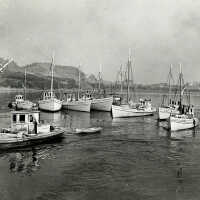
Sardine Carriers, Blacks Harbour, New Brunswick | [No Artist Defined]
Classification: Photographs Circa: 1947 Old Accession Number: 1614 Description: Blacks Harbour, New Brunswick
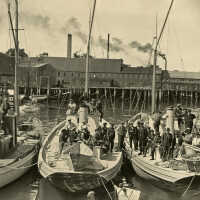
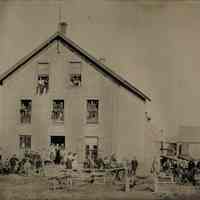
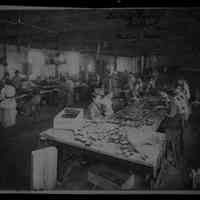
Sardine Factory, Eastport, Maine, Filling Cans
National Archive Number: 22-CD-444
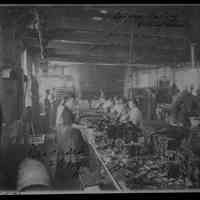
Sardine Factory, Filling Cans
National Archive Number: 22-CD-445
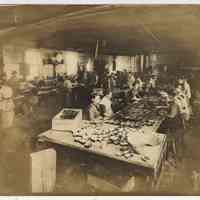
Sardine Factory, Filling Cans, Eastport, Maine
C 444 - National Archive Number. Part of a group of six photographs with five secured in 2024 and one in 2026. They all appear to be albumen photographic prints made from original glass plate negatives taken by T. W. Smillie for the U.S. Fisheries Commission in the early 1880s. One of the six photograph is stamped on the back: "Photograph by Brown Brothers, 1482 Broadway, New York."
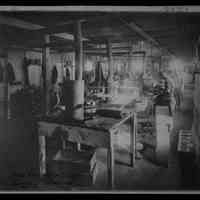
Sardine Factory, Soldering Cans
National Archive Number: 22-CD-442
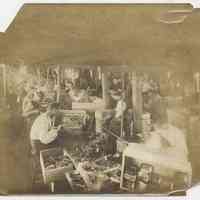
Sardine Factory, Soldering Cans, Eastport, Maine
C 443 - National Archive Number. Part of a group of six photographs with five secured in 2024 and one in 2026. They all appear to be albumen photographic prints made from original glass plate negatives taken by T. W. Smillie for the U.S. Fisheries Commission in the early 1880s. One of the six photograph is stamped on the back: "Photograph by Brown Brothers, 1482 Broadway, New York."
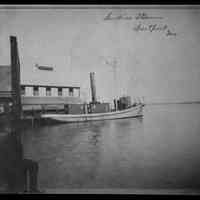
Sardine Steamer, Eastport, Maine
National Archive Number: 22-CD-353
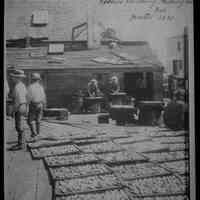
Sardines, Green's Landing Packing Company, Maine 1891
National Archive Number: 22-CD-97
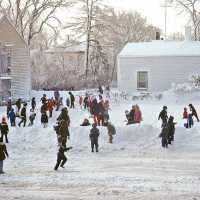
School Children Playing in Winter | Joyce Emery Kinney
Photograph by Joyce Emery Kinney. Scanned color slide. Old Accession Number: 1195
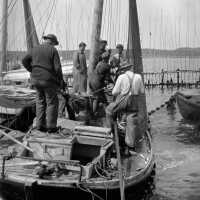
Seining a Weir [Grand Manan] | [No Artist Defined]
Classification: Photographs Circa: 1910 Old Accession Number: 1504
Sipayik/Pleasant Point, Maine | [No Artist Defined]
Classification: Photographs Circa: 1900 Print from photographic negative. Gift of Margaret "Meg" McGarvey of Eastport, Maine. Old Accession Number: 1776 Passamaquoddy
Sipayik/Pleasant Point, Maine | [No Artist Defined]
Classification: Photographs Circa: 1900 Print from photographic negative. Gift of Margaret "Meg" McGarvey of Eastport, Maine. Old Accession Number: 1774 Passamaquoddy
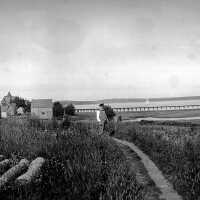
Sipayik/Pleasant Point, Maine | [No Artist Defined]
Classification: Photographs Circa: 1900 Print from photographic negative. Gift of Margaret "Meg" McGarvey of Eastport, Maine. Old Accession Number: 1773 Passamaquoddy
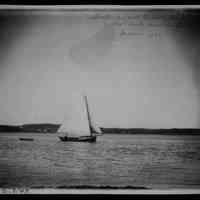
Sloop Rigged Quoddy Boat Under Sail near Eastport, Maine 1882
National Arhive Number: 22-CD-249
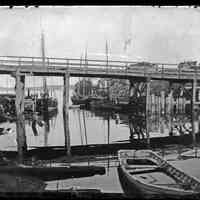
South End Bridge, Eastport, Maine, c.1900 | Furman 13
Photograph from glass plate negative from John Pike Grady's house, 1 Adams Street, Eastport, Maine. Gift of Ross Y. Furman, 2025. Part of the Ross Y. Furman Advance Collection.
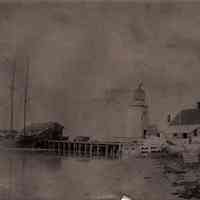
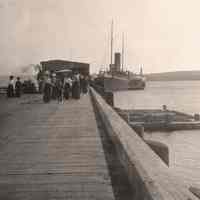
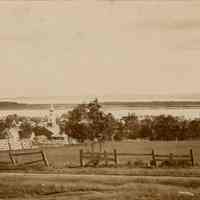
St. Andrews, New Brunswick, c.1890
ST. ANDREWS, C.1890! Photo that recently came into our collections that shows a sweeping view of St. Andrews, New Brunswick. Photo dates to about 1890. In the middle background is Navy Island and in the far background is the American shore. Steeple at center left is the Greenock church.
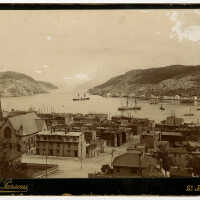
St. John's, Newfoundland | L. H. Parsons
Artist: L. H. Parsons Classification: Photographs Old Accession Number: 977
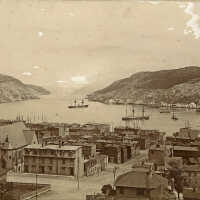
St. Johns, Newfoundland Harbor | [No Artist Defined]
Classification: Photographs Circa: 1890 Old Accession Number: 1697
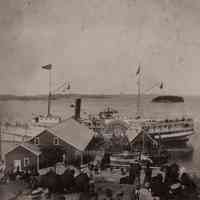
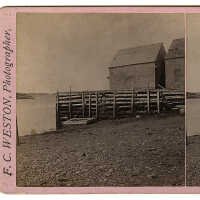
Stereoview of Benedict Arnold's Trading Post, Campobello Island, New Brunswick | F.C. Weston (Bangor, Maine)
Artist: F.C. Weston (Bangor, Maine) Classification: Photographs Circa: 1880 Old Accession Number: 1714
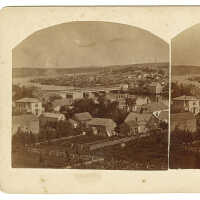
Stereoview of Calais, Maine and St. Croix River | F.A. Stoddard
Artist: F.A. Stoddard Classification: Photographs Circa: 1875
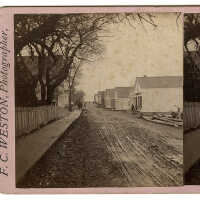
Stereoview of Commerical Street, Lubec, Maine | F.C. Weston
Artist: F.C. Weston Classification: Photographs Circa: 1880 Old Accession Number: 1712
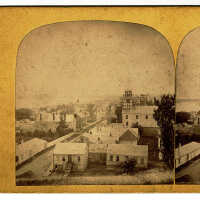
Stereoview of Eastport, Maine with View of Congregational Church | Davis Loring
Artist: Davis Loring Classification: Photographs Circa: 1880 Old Accession Number: 1731
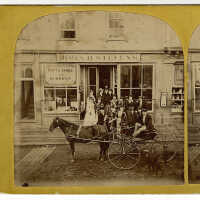
Stereoview of Eastport, Maine, John H. Stevens Store | [No Artist Defined]
Classification: Photographs Circa: 1880 Old Accession Number: 1732
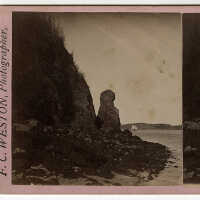
Stereoview of Friar's Head, Campobello Island, New Brunswick | F.C. Weston (Bangor, Maine)
Artist: F.C. Weston (Bangor, Maine) Classification: Photographs Circa: 1880 Old Accession Number: 1713
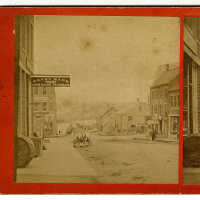
Stereoview of Intersection of North and Main Streets, Calais, Maine | C.E. Libby
Artist: C.E. Libby Classification: Photographs Circa: 1880 Old Accession Number: 1651
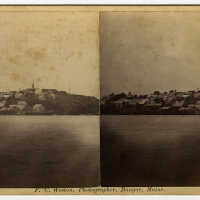
Stereoview of Lubec, Maine - North Side | F. C. Weston
Artist: F. C. Weston Classification: Photographs Description: Views of Bangor and Vicinity, Photographed and Published by F.C. Weston, Bangor, Maine. View of Lubec, North Side. N.B. - I give my personal attention to making views of all kinds, and can assure my patrons of first class work always. Old Accession Number: 976
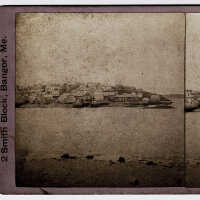
Stereoview of Lubec, Maine, North Side | F.C. Weston (Bangor, Maine)
Artist: F.C. Weston (Bangor, Maine) Classification: Photographs Circa: 1880 Old Accession Number: 1715
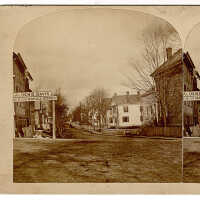
Stereoview of Machias Marble Works, Machias, Maine | [No Artist Defined]
Classification: Photographs Circa: 1880 Old Accession Number: 1722
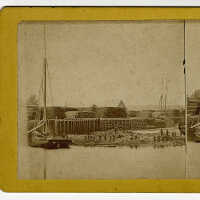
Stereoview of Machias River, Wiswell Shipyard | Vose 1730
Artist: Vose Classification: Photographs Circa: 1870 Old Accession Number: 1730
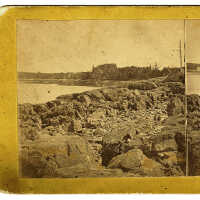
Stereoview of Machias, Maine | E. Vose
Artist: E. Vose Classification: Photographs Circa: 1880 Old Accession Number: 1718
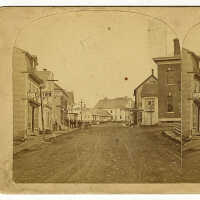
Stereoview of Machias, Maine | [No Artist Defined]
Classification: Photographs Circa: 1880 Old Accession Number: 1647
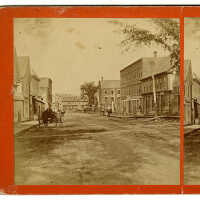
Stereoview of Main Street, Calais, Maine | C.E. Libby
Artist: C.E. Libby Classification: Photographs Circa: 1880 Old Accession Number: 1650
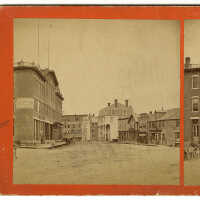
Stereoview of Main Street, Calais, Maine | C.E. Libby
Artist: C.E. Libby Classification: Photographs Circa: 1880 Old Accession Number: 1648
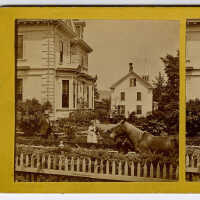
Stereoview of Murchie House, Calais, Maine | C.E. Libby
Artist: C.E. Libby Classification: Photographs Circa: 1880 Old Accession Number: 1704 Description: Back of card is written: "This is the Murchie place. Frank stands beside his father."
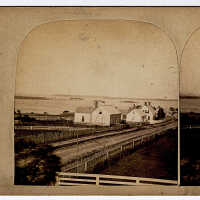
Stereoview of North End, Eastport, Maine | [No Artist Defined]
Classification: Photographs Circa: 1880 Old Accession Number: 1733
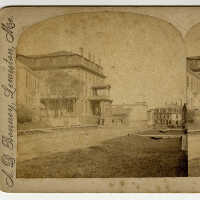
Stereoview of Passamaquoddy House, Eastport, Maine | A.D. Bonney, Lewiston, Maine
Classification: Photographs Circa: 1885 Old Accession Number: 1710
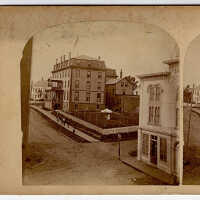
Stereoview of Passamaquoddy House, Eastport, Maine | [No Artist Defined]
Classification: Photographs Circa: 1880 Old Accession Number: 1709
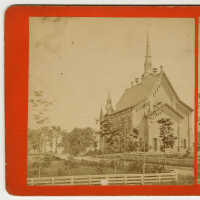
Stereoview of Rear View of Congregational Church, Calais, Maine | C.E. Libby
CONGREGATIONAL CHURCH, CALAIS, C.1875! Posted here is half of a stereoview photo that recently came into our collections that shows a view of the back and side of the Congregational church building on Calais Avenue in Calais, Maine. Built in 1872 and dedicated in 1873, this building was the second Congregational church built in Calais (the first was built in 1826). Photo dates to about 1875 and is the work of photographer, C.E. Poole. This building burned down in 1992 and was replaced with a new modern church building that closed last year.
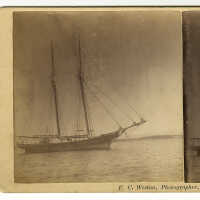
Stereoview of Ship, Mary A. Pike, Lubec, Maine | F.C. Weston (Bangor, Maine)
Artist: F.C. Weston (Bangor, Maine) Classification: Photographs Circa: 1880 Old Accession Number: 1716
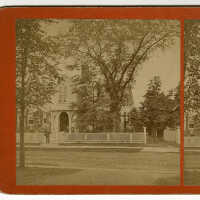
Stereoview of Unknown House, Calais, Maine | C.E. Libby
Artist: C.E. Libby Classification: Photographs Circa: 1880 Old Accession Number: 1705
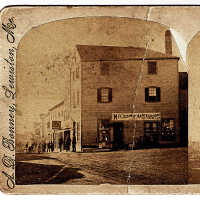
Stereoview of Water Street, Eastport, Maine | A.D. Bonney (Lewiston, Maine)
Artist: A.D. Bonney (Lewiston, Maine) Classification: Photographs Circa: 1880 Old Accession Number: 1724
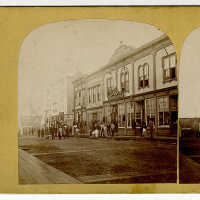
Stereoview of Water Street, Eastport, Maine | Davis Loring
Artist: Davis Loring Classification: Photographs Circa: 1880 Old Accession Number: 1728
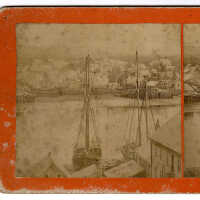
Stereoview of Waterfront, Calais, Maine | C.E. Libby
Artist: C.E. Libby Classification: Photographs Circa: 1880 Old Accession Number: 1706
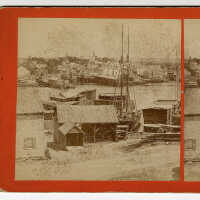
Stereoview of Waterfront, Calais, Maine | C.E. Libby
Artist: C.E. Libby Classification: Photographs Circa: 1880 Old Accession Number: 1649
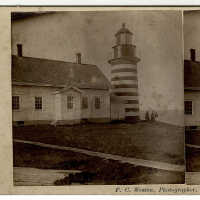
Stereoview of West Quoddy Head Lighthouse, Lubec, Maine | F.C. Weston (Bangor, Maine)
Artist: F.C. Weston (Bangor, Maine) Classification: Photographs Circa: 1880 Old Accession Number: 1726
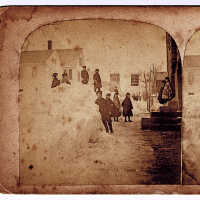
Stereoview of Winter Scene, Washington Street, Eastport, Maine | Davis Loring
Artist: Davis Loring Classification: Photographs Circa: 1880 Old Accession Number: 1729
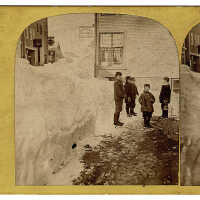
Stereoview of Winter Scene, Water Street, Eastport, Maine | Davis Loring
Artist: Davis Loring Classification: Photographs Circa: 1880 Old Accession Number: 1734
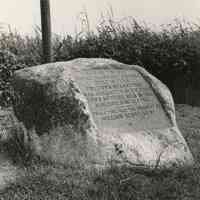
Stone Marking the Site of the First Meeting House in Eastport, Moose Island, Maine. Stone was the Bequest of William Henry Kilby
Inscription on stone reads: Site of the old Moose Island Meeting House built in 1794. The Town of Eastport was organized at the first town meeting held in this building, May 21, 1798. This stone was the bequest of William Henry Kilby.
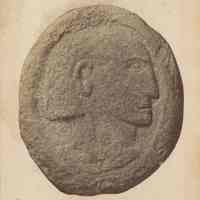
Stone Passamaquoddy Profile | Photograph by Charles Caleb Ward
Found along shores of Lake Utopia, St. George, New Brunswick. The stone profile is now part of the collections of the New Brunswick Museum, Saint John, New Brunswick.
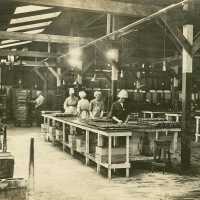
Sunset Packing Company, Pembroke, Maine
SUNSET PACKING, PEMBROKE, C.1940! Photo from our collections of women packing sardines in the packing room of the Sunset Packing Company of Pembroke, Maine. We're guessing the photo dates to about 1940.
Susan Lapides | Setting Day | Back Bay, New Brunswick
Gift of the artist, 2025. From an email from Susan Lapides Mon, Aug 4, 2025, 1:46 PM Here’s what I wrote about my photograph “Setting Day” — Setting Day was photographed at the Back Bay, New Brunswick wharf on the opening day of lobster season. In New Brunswick, there are two lobster fishing seasons, and this image captures the start of the spring season, when boats set out at 6 AM after a horn blast, racing to drop their traps in waters they know by heart. Each boat is loaded in advance with carefully rigged traps, ropes, and buoys. In the predawn darkness, families gather on the wharf to say goodbye—sharing hugs and quiet prayers. Lobstering can be dangerous work, especially on Setting Day, and this moment is filled with both tradition and tension as the crews head out to sea. From an email from Susan Lapides Wed, Oct 8, 2025, 7:17 PM Setting Day 2021 6 a.m. on a chilly November morning. The horn sounds—the biannual lobster season begins. Boats surge from the Back Bay wharf in St. George, New Brunswick, racing into the Bay of Fundy, where the tides rise and fall 26 feet. Fishermen drop their traps, each outfitted with ropes of measured length and an identification buoy, noting the spot by GPS before moving to the next. Hours earlier, the wharf was alive with grandparents, parents, and children—laughing, talking, and gathering for one last hug and prayer for safety and a successful season. Setting Day carries both tradition and tension, marking the start of another season, like generations before them.
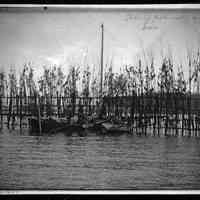
Taking Fish out of a Weir
National Archive Number: 22-CD-451
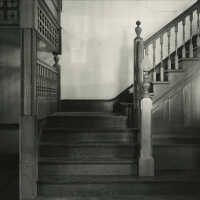
Thaddeus Holownia (1949- ) | Staircase, Capen House, 16 Key Street, Eastport, Maine | 2015
A gelatin silver photographic print, “Staircase, Capen House, 16 Key Street, Eastport, Maine,” by photographer, Thaddeus Holownia, taken in 2015. The photograph was part of a large scale nine year effort by Holownia to photograph the architecture, landscape and community of Eastport, Maine from 2009 to 2017. Using large format cameras and film photography, Holownia took nearly 1,000 photographs of building exteriors and interiors, architectural details and wider streetscapes and landscapes of Eastport. Nearly 200 of the photographs were incorporated into the 218 page hardbound book, Eastport, with accompanying thematic essays by New Brunswick architect, John Leroux, co-published by Holownia’s Anchorage Press and the Tides Institute & Museum of Art (TIMA) in 2018. Holownia was born in England in 1949 and immigrated to Canada in 1954. For 41 years he taught photography at Mount Allison University in Sackville New Brunswick. Holownia’s exquisite large format photographs of the forests, rivers and architecture of Atlantic Canada and other selective parts of the world have been exhibited and published extensively including a major retrospective exhibition of his work, The Nature of Nature, The Photographs of Thaddeus Holownia 1976–2016, at the Art Gallery of Nova Scotia in 2017. Holownia is a Fellow of the Royal Society of Canada and he received the Lieutenant Governor’s Award for High Achievement in the Visual Arts from artsNB as well as the Order of New Brunswick. The Eastport photograph was a gift to TIMA by the photographer.
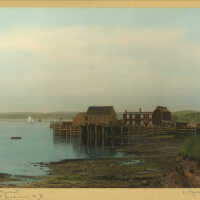
The Fish Market, St. Andrews, New Brunswick | E. Madge Smith
Artist: E. Madge Smith Medium: Hand colored photograph Old Accession Number: 145 Description: (2/10/2014)-http://national.gallery.ca/english/library/biblio/ngc078.html: Elizabeth Marjorie Smith (1898-1974) was born in England and raised in Fredericton, New Brunswick. She developed an interested in photography after graduating from Fredericton High School in 1917 and worked at Harvey Studios until 1930. Between 1936 and 1961 she ran her own shop on Queen Street, where she sold hand-coloured photographs, pottery, jewellery, woven goods, and paintings by Canadian artists. As a photographer and art dealer, Smith befriended many of the artists she represented, including Molly Lamb Bobak (1922- ) and Bruno Bobak (1923- ), Miller Brittain (1912-1968), Jack Humphrey (1901-1967), Fritz Brandtner (1896-1969 ), Daniel Edwin (Ted) Campbell (1904- ), Pegi Nicol MacLeod (1904-1949), Ghitta Caiserman-Roth (1923-2005), and others. In 1970, Smith's work was exhibited at the Provincial Archives of New Brunswick in a joint exhibition with the University of New Brunswick. In April 1974, her photographs were displayed in the exhibition "Fredericton: The Early Years", at the Provincial Archives. Madge Smith died on February 18, 1974.
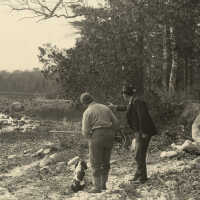
They Fly Out from There [Duck Lake, Maine] | William Lyman Underwood
Artist: William Lyman Underwood Medium: Photograph Circa: 1896 Old Accession Number: 608 Description: They Fly Out from There. Duck Lake
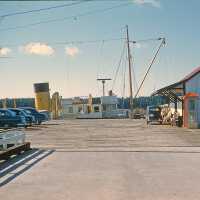
Treats Island, Maine | [No Artist Defined]
Classification: Photographs Circa: 1900 Old Accession Number: 1771
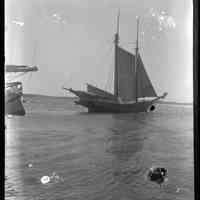
Two Masted Schooner off the Eastport, Maine Waterfront, c.1900 | Furman 3
Photograph from glass plate negative from John Pike Grady's house, 1 Adams Street, Eastport, Maine. Gift of Ross Y. Furman, 2025. Part of the Ross Y. Furman Advance Collection.
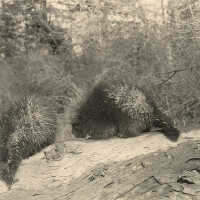
Two Porcupines | William Lyman Underwood
Artist: William Lyman Underwood Classification: Photographs Circa: 1896 Old Accession Number: 1433
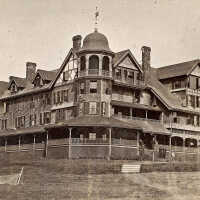
Tyn-Y-Coed Hotel, Campobello Island, New Brunswick | Davis Loring
Artist: Davis Loring Classification: Photographs Old Accession Number: 1615 Description: Campobello Island, New Brunswick
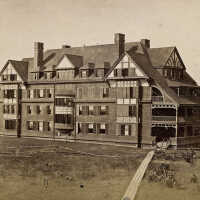
Tyn-Y-Maes Hotel, Campobello Island, New Brunswick | Davis Loring
Artist: Davis Loring Classification: Photographs Old Accession Number: 1616 Description: Campobello Island, New Brunswick
Unknown Stream or Tidal Inlet, likely Eastport, Maine, c.1900 | Furman 9
Photograph from glass plate negative from John Pike Grady's house, 1 Adams Street, Eastport, Maine. Gift of Ross Y. Furman, 2025. Part of the Ross Y. Furman Advance Collection.
Unloading Herring
National Archive Number: 22-CD-15
Unloading Sardines at Wolff's Factory from Sloop Boat, Eastport, Maine
National Archive Number: 22-CD-439
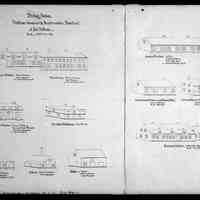
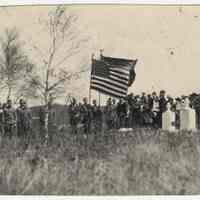
View from Eastport, Maine Waterfront, c.1900 | Furman 11
Photograph from glass plate negative from John Pike Grady's house, 1 Adams Street, Eastport, Maine. Gift of Ross Y. Furman, 2025. Part of the Ross Y. Furman Advance Collection.
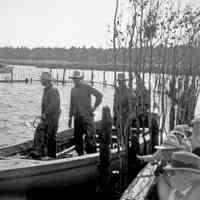
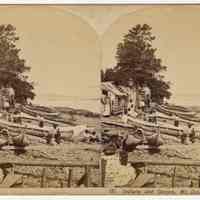
Wabanaki Canoes | Bar Harbor, Maine | Photograph by B. Bradley, Bar Harbor, Mt. Desert, Me.
Text on front of photograph: 151. Indians and Canoes, Mt. Desert, Me.
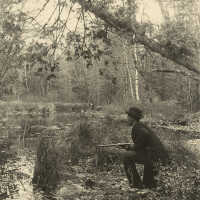
Waiting in the Bush [Duck Lake, Maine | William Lyman Underwood
Artist: William Lyman Underwood Medium: Photograph Circa: 1896 Old Accession Number: 606 Description: Waiting in the Bush. Duck Lake
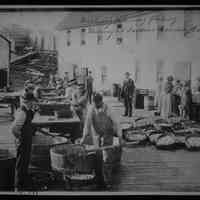
Washing, Draining, Flaking Herring at Sardine Cannery, Eastport, Maine
National Archive Number: 22-CD-383
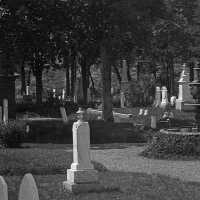
Water Fountain, Hillside Cemetery, Eastport, Maine | [No Artist Defined]
Classification: Photographs Circa: 1900 Old Accession Number: 1711
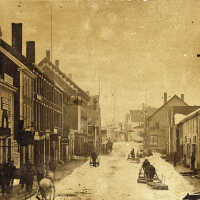
Water Street, Eastport, Maine | Davis Loring
Artist: Davis Loring Classification: Photographs Circa: 1860 Old Accession Number: 1692
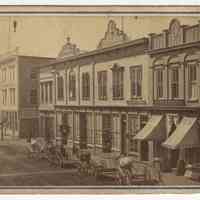
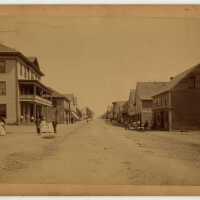
Water Street, St. Andrews, New Brunswick | c.1890
Classification: Photographs Old Accession Number: 1045
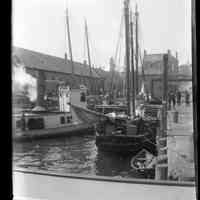
Waterfront Scene Near Bank Square, Eastport, Maine, c. 1900 | Furman 1
Photograph from glass plate negative from John Pike Grady's house, 1 Adams Street, Eastport, Maine. Gift of Ross Y. Furman, 2025. Part of the Ross Y. Furman Advance Collection.
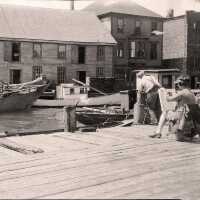
Waterfront, Eastport, Maine c.1930
WATERFRONT, EASTPORT, C.1930! Photo from our collections that shows a view of the waterfront of Eastport, Maine. Photo dates to about 1930. An artist's easel can be seen at the left of the photo and a seated artist can be seen at the right of the photo working on a painting or drawing. Most likely the artists were part of a summer art school, based out of New York City, that operated at Eastport from 1927 to 1936.
Waterfront, Eastport, Maine | c.1890 | Charles E. Brown
Waterfront, Eastport, Maine, c.1890. Photograph by Charles E. Brown.
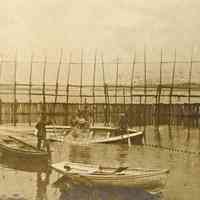
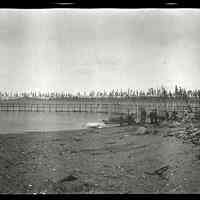
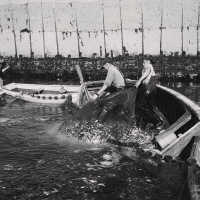
Weir Fishing Scene, Blacks Harbour, New Brunswick | [No Artist Defined]
Classification: Photographs Circa: 1947 Old Accession Number: 1656
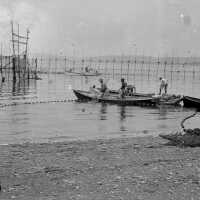
Weir Fishing Scene, Johnson's Cove, Eastport, Maine | Roscoe Emery
Artist: Roscoe Emery Classification: Photographs Circa: 1915 Old Accession Number: 1641
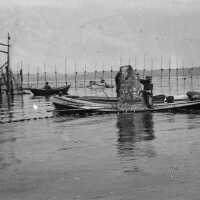
Weir Fishing Scene, Johnson's Cove, Eastport, Maine | Roscoe Emery
Artist: Roscoe Emery Classification: Photographs Circa: 1915 Old Accession Number: 1640
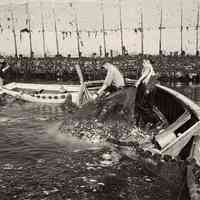
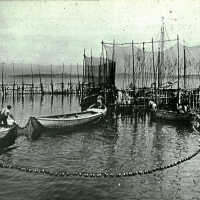
Weir Fishing, St. Andrews, New Brunswick | [No Artist Defined]
Classification: Photographs Circa: 1920 Old Accession Number: 1644
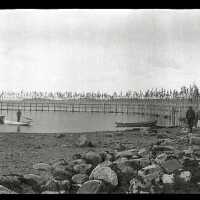
Weir Scene | [No Artist Defined]
Classification: Photographs Circa: 1890 Old Accession Number: 1598
Weir of J. M. Ellis, Deer Island, Maine
National Archive Number: 22-CD-94
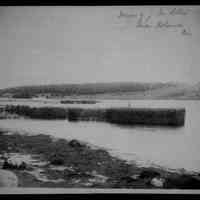
Weir of Mr. Ellis', Deer Island, Maine
National Archive Number; 22-CD-99
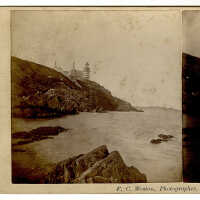
West Quoddy Head Lighthouse, Lubec, Maine | F.C. Weston (Bangor, Maine)
Artist: F.C. Weston (Bangor, Maine) Classification: Photographs Circa: 1880 Old Accession Number: 1727
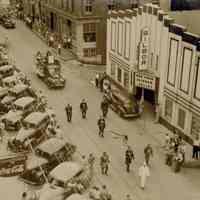
Wilbor Theater | Water Street, Eastport, Maine | C.1946
WILBOR THEATER, EASTPORT, C.1946! Photo in our collections that shows the Wilbor Theater in a busy downtown Eastport, Maine. Water Street is lined with parked cars. The 1946 western movie, "Man from Rainbow Valley," is listed on the theater's marquee as then playing at the theater. Some sort of a parade is taking place on Water Street as well. The Wilbor Theater was built in 1942 and closed in 1972. It was torn down in the early 1980s.
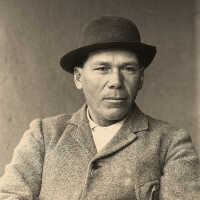
William Lyman Underwood (1864-1929) | Joe Mell, Passamaquoddy Guide at Duck Lake, Maine | c.1895
A photograph portrait by Boston based photographer, William Lyman Underwood, of the well known Passamaquoddy guide, Joe Mell. It dates to about 1895 and was taken in northern Washington County, Maine where Mell used to guide Underwood on his annual hunting and fishing trips to the area for about 30 years. This photograph of Joe Mell is one of 13 photographs in the Tides Institute’s collections taken by Underwood during his trips to northern Washington County in the early 1890s. The photographs were obtained over several years from a collector in California. Underwood was born in Belmont, Massachusetts in 1864 into the wealthy Underwood family that had founded the William Underwood Company, an American canned food company, in 1822. William Lyman Underwood and his brother Loring were at the forefront of nineteenth-century nature photography. Loring trained his camera on human designed parks and gardens, while William concentrated on the wilds of the northeastern U.S. Their work is described in the book Gentlemen Photographers: The Work of Loring Underwood and Wm. Lyman Underwood published in 1987. Joe Mell, whose mother was French and father was Passamaquoddy, became a popular guide around the wilderness forests and lakes of northern Washington County. Mell was extremely well-versed in the ways of the Passamaquoddy. In 1927, William Underwood published the book, Wilderness Adventures, that describes his experiences with Joe Mell. Underwood died in 1929. Photo caption: Portrait photograph of Passamaquoddy guide, Joe Mell, by photographer, William Lyman Underwood that dates to about 1895. Artist: William Lyman Underwood Medium: Photograph Circa: 1896 Old Accession Number: 604 Description: Joe Mell, Passamaquoddy Guide at Duck Lake
William Lyman Underwood. Self Portrait. Contemplating the Day’s Hunt. Duck Lake, Maine | William Lyman Underwood
Artist: William Lyman Underwood Medium: Photograph Circa: 1896 Old Accession Number: 603 Description: Self Portrait. Contemplating the Day’s Hunt. Duck Lake, Maine.
Winter Scene, Middle and Key Streets, Eastport, Maine | [No Artist Defined]
Classification: Photographs Circa: 1900 Old Accession Number: 1777
Winter Scene, Outer Washington Street, Eastport, Maine | [No Artist Defined]
Classification: Photographs Circa: 1900 Old Accession Number: 1679
Winter Scene, Shackford and Middle Streets, Eastport, Maine | Charles E. Brown, Photographer
Classification: Photographs Circa: 1900 Old Accession Number: 1681
Wolff's Sardine Factory | Eastport, Maine
National Archive Number: 22-CD-375
Young Deer near Duck Lake, Maine | William Lyman Underwood
Artist: William Lyman Underwood Medium: Photograph Circa: 1896 Old Accession Number: 613 Description: Young Deer near Duck Lake