


Browse and search a portion of the collections of the Tides Institute & Museum of Art available online (now consisting of over 8,000 online records in process of completion). The Online Collections are best viewed using Google Chrome or Mozilla Firefox. Search Hints: To search by phrase or multiple word names wrap your criteria in quotes. Example: “Martin Johnson Heade” or “Grand Manan”. For an overview of the collections, see: Collections Overview.
Passamaquoddy Tidal Power Project, 1935-1936
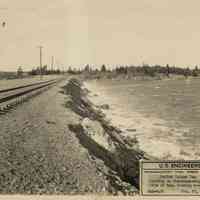
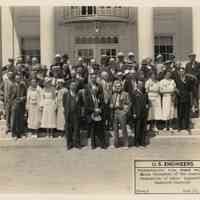
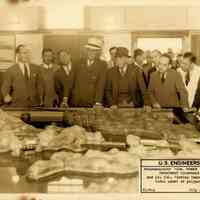
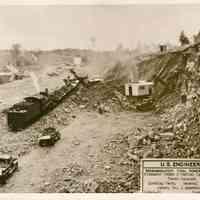
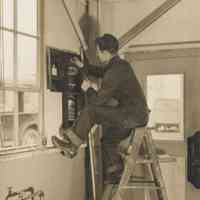
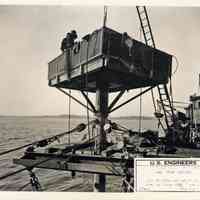
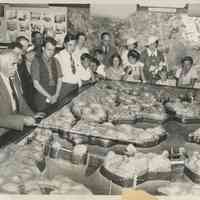
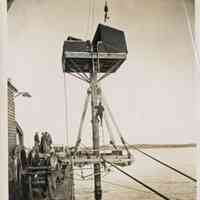
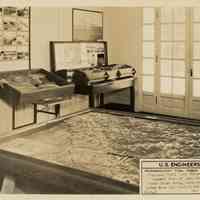
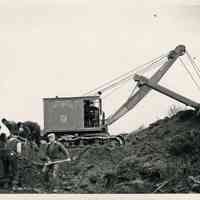
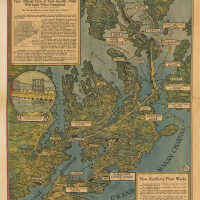
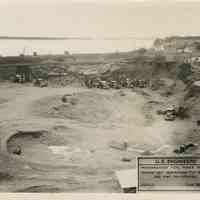
This collection includes a range of materials related to Passamaquoddy Tidal Power Project of 1935-1936 such as books, reports, photographs, periodicals, architectural drawings, illustrations, maps and other materials.
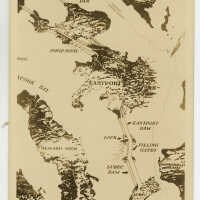
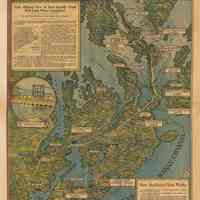
Bird's Eye View of Passamaquoddy Tidal Power Project | Postcard
Postcard Old Accession Number: 2126
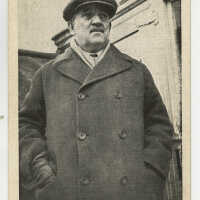
Dexter Cooper, Originator, Passamaquoddy Tidal Power Project, Eastport, Maine | Postcard
Postcard Old Accession Number: 2123
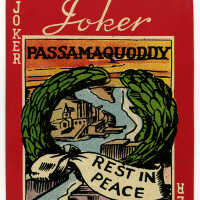
Joker Card | Passamaquoddy Tidal Power Project | Elten Game Corporation | 1938
Circa: 1938 Description: From card game, "Balance the Budget", produced by the Elten Game Corporation of New York, New York in 1938. Old Accession Number: 1046

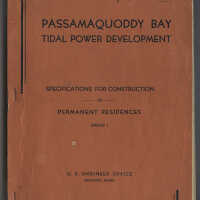
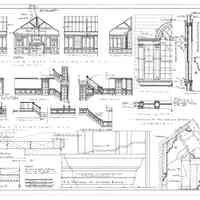
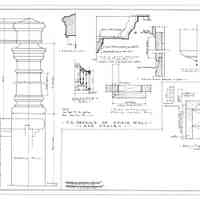
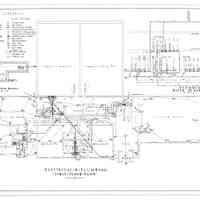
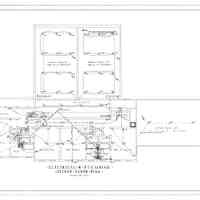
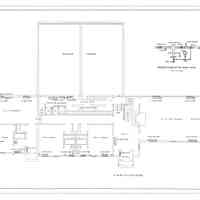
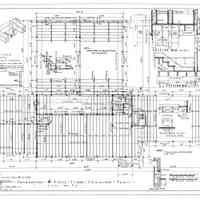
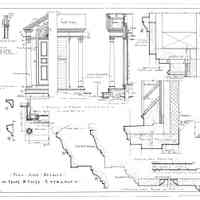
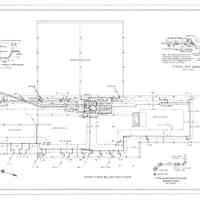
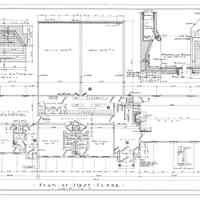
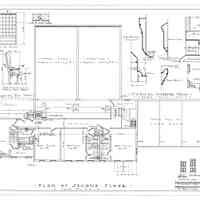
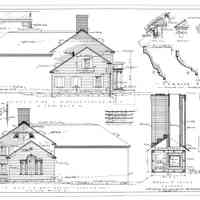
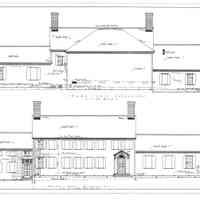
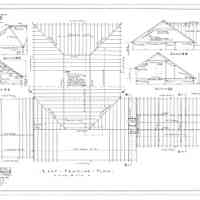
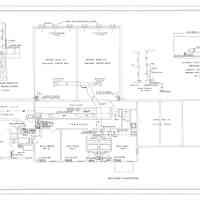
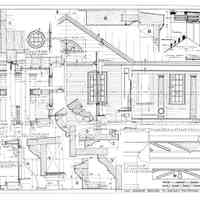
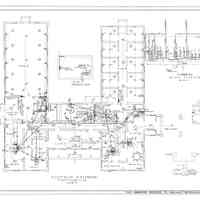
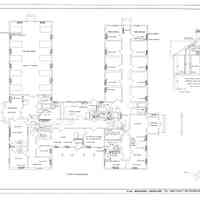
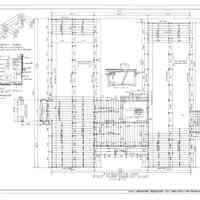
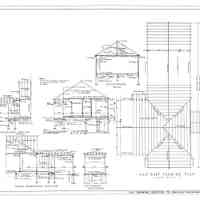
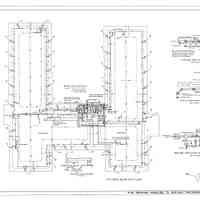
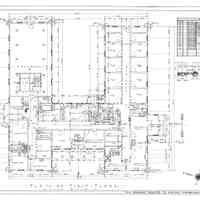
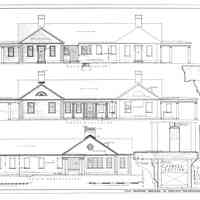
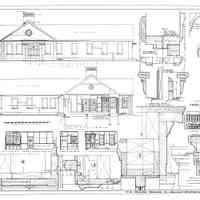
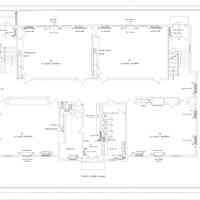
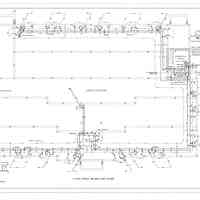
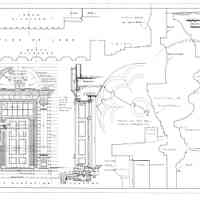
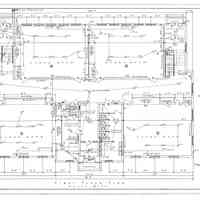
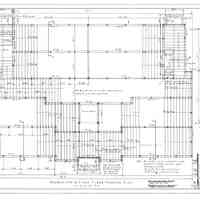
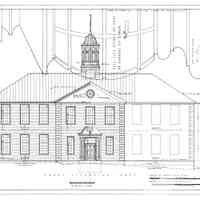
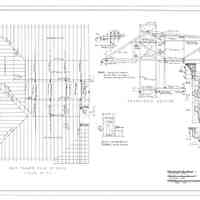
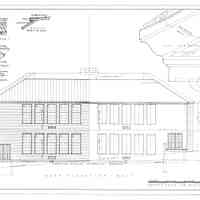
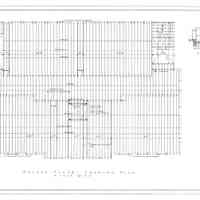
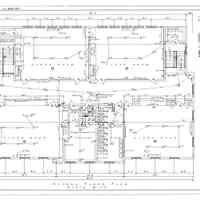
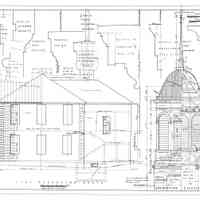
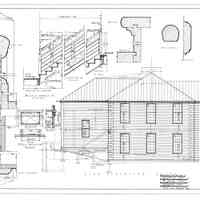
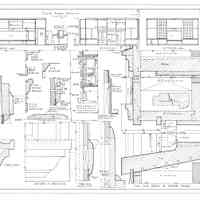
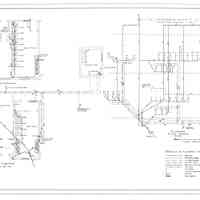
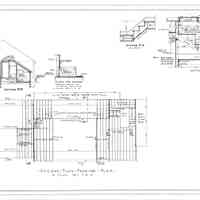
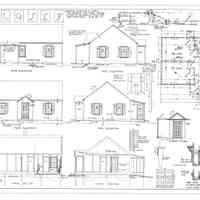
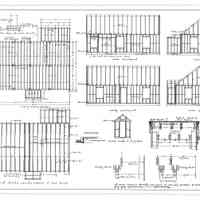
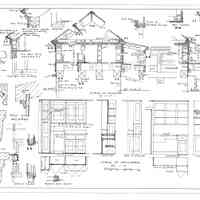
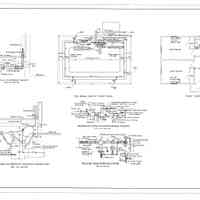
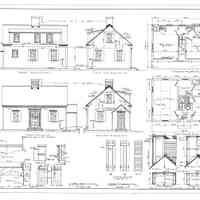
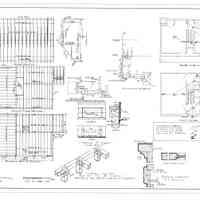
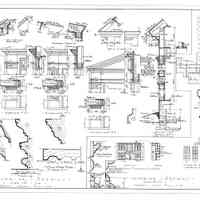
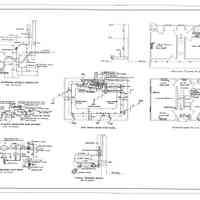
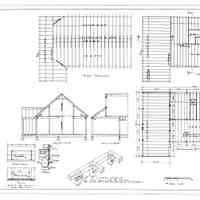
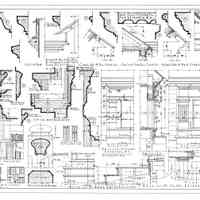
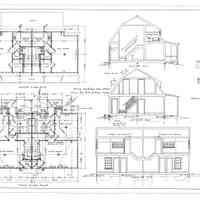
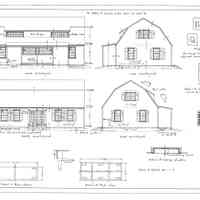
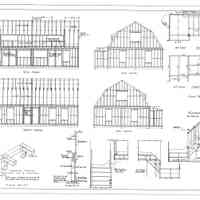
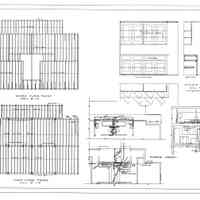
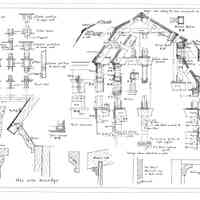
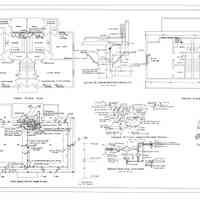
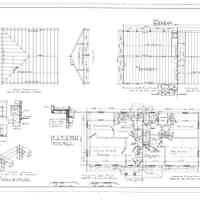
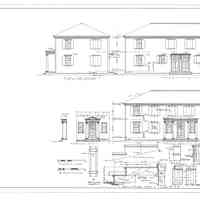
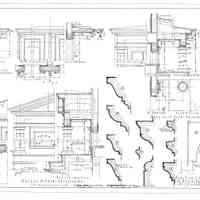
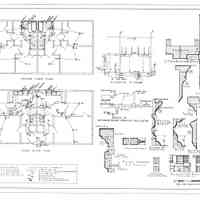
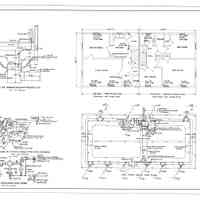
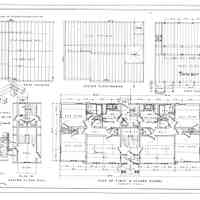
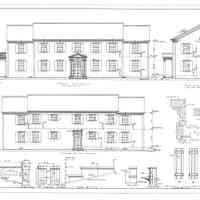
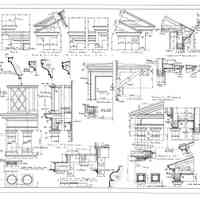
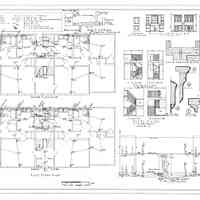
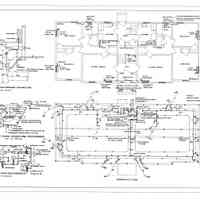
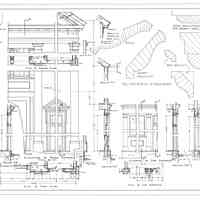
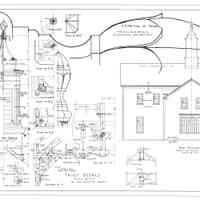
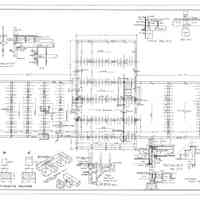
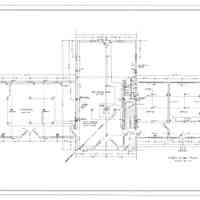
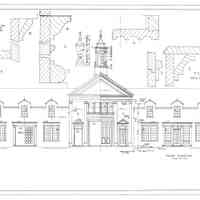
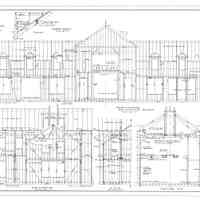
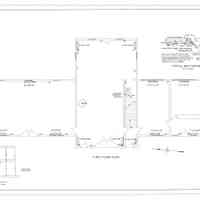
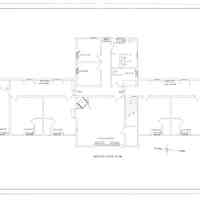
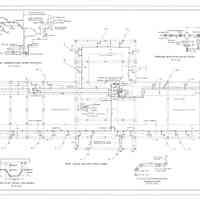
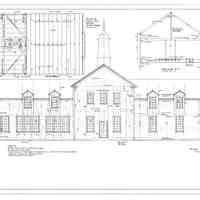
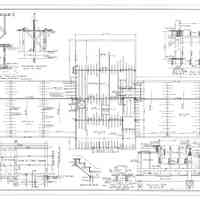
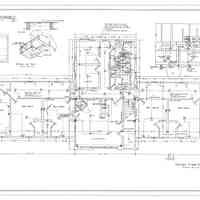
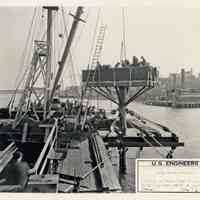
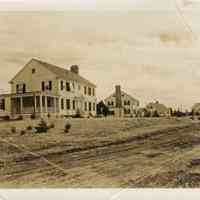
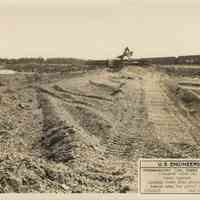
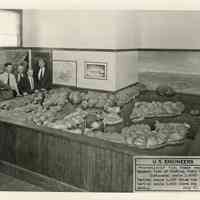
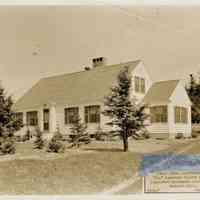
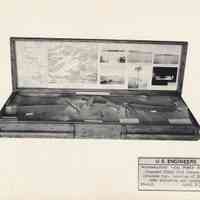
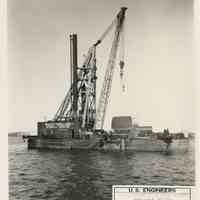
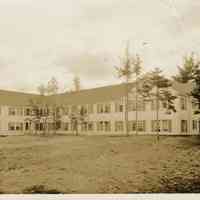
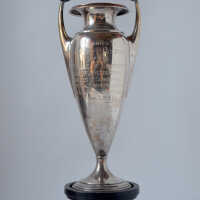
Passamaquoddy Tidal Power Project
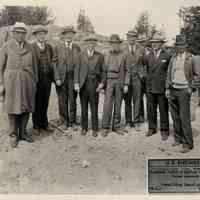
Inscription reads: Presented to Dexter P. Cooper by the People of Eastport in Grateful Recognition of His Services in Conceiving the Quoddy Tidal Power Project and in Procuring Its Construction, June 1, 1935
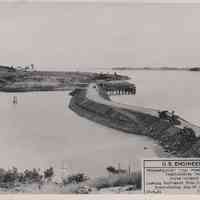
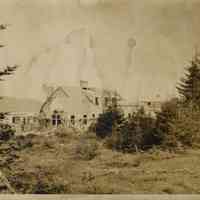
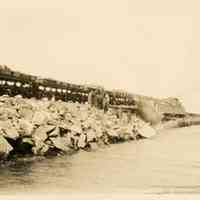
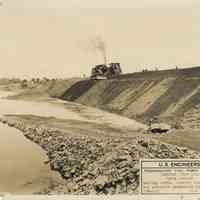
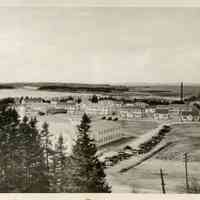
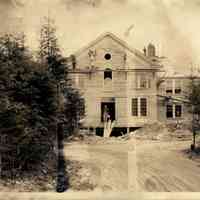
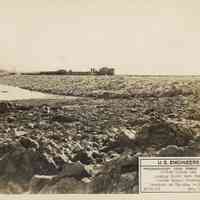
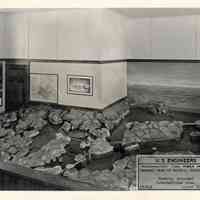
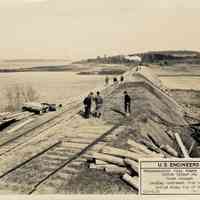
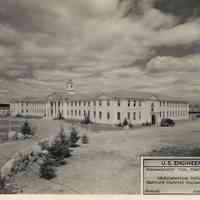
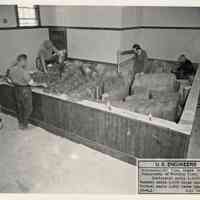
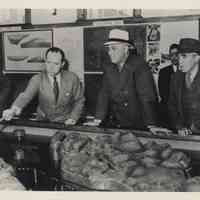
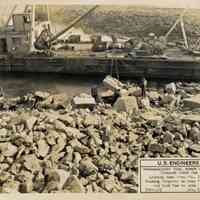
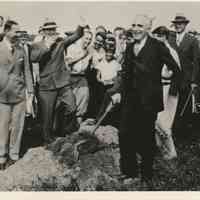
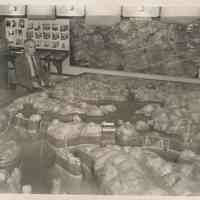
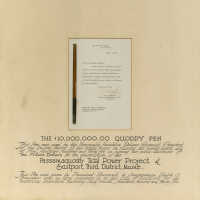
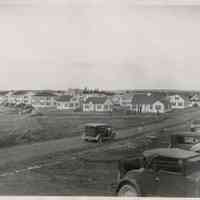
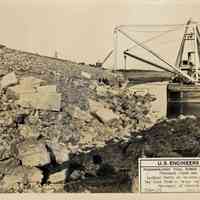
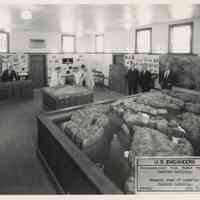
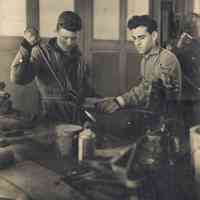
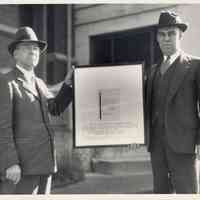
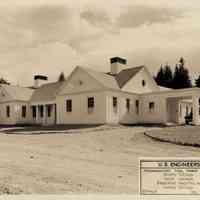
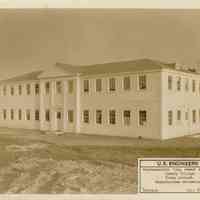

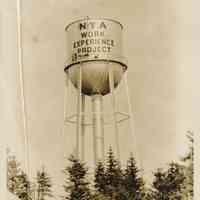
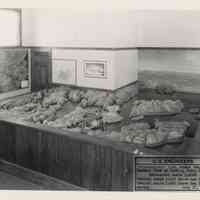
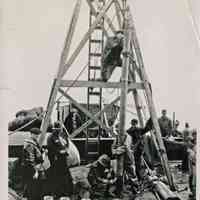
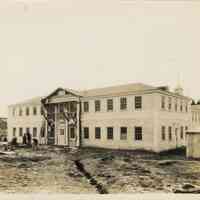


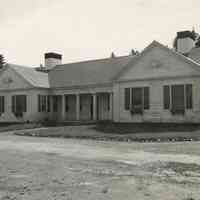
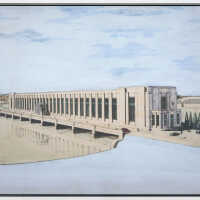
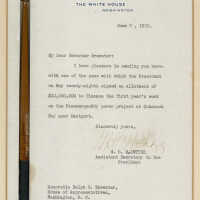
Passamaquoddy Tidal Power Project | Pen Used to Sign Initial Allotment of Funds | 1935
One of the pens used by American President Franklin Delano Roosevelt on May 28, 1935 to sign an allotment of $10 million towards the first year of work on the Passamaquoddy tidal power project in this region. The idea of harnessing the 20 plus foot tides of Passamaquoddy Bay was first thought of by hydroelectric engineer Dexter P. Cooper in 1920. The idea behind the tidal power project was to harness the power of the Bay’s tremendous tides to generate electricity. More than 70 billion cubic feet of water flow in and out of Passamaquoddy Bay with each changing tide, making the Bay an excellent candidate for a prototype tidal power project. But there were other factors at play for the selection of Passamaquoddy Bay as a site for tidal power. Dexter Cooper, the engineer behind the tidal power idea, had a summer home on Campobello Island so he was very familiar with the tides of Passamaquoddy Bay. President Roosevelt also owned a summer home on Campobello Island and he had been coming to Campobello since he was a child after his parents had bought a place there. He became a major proponent of the tidal power project. Funded by the New Deal Era Public Works Administration, the tidal power project began with great fanfare with large scale construction during the first year. Despite the support of President Roosevelt and the promise of inexpensive, sustainable energy, the U.S. Congress soon stopped the funding of the power project and all work ended in August,1936.
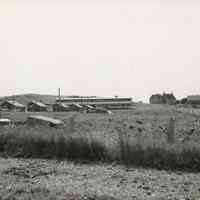
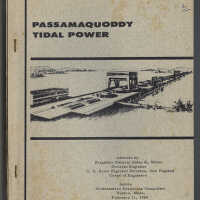
Passamaquoddy Tidal Power | Address by Brigadier General Alden K. Sibley, Division Engineer | 1960
Passamaquoddy Tidal Power | Address by Brigadier General Alden K. Sibley, Division Engineer, U.S. Army Engineer Division, New England Corps of Engineers before Northeastern Resources Committee, Boston, Massachusetts, February 11, 1960.
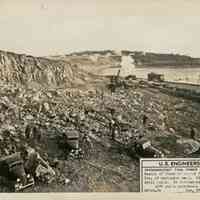
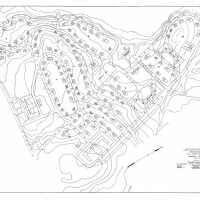
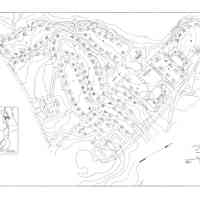
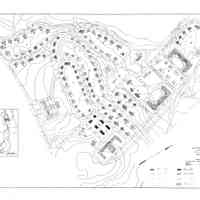
Quoddy Village. Plot Plan
Classification: Maps Circa: 1935 Old Accession Number: 1548
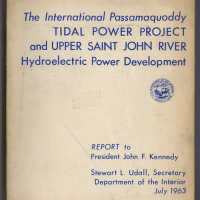
The International Tidal Power Project and Upper Saint John River Hydroelectric Power Development: Report to President John F. Kennedy
Summary Report to President John F. Kennedy Stewart L. Udall, Secretary Department of Interior July, 1963
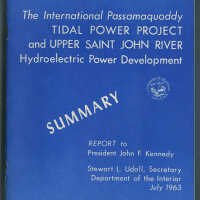
The International Tidal Power Project and Upper Saint John River Hydroelectric Power Development: Summary Report to President John F. Kennedy
Summary Report to President John F. Kennedy Stewart L. Udall, Secretary Department of Interior July, 1963
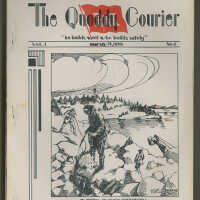
The Quoddy Courier | U.S. Engineer Office | Passamaquoddy Tidal Power Project | Eastport, Maine | Monthly Publication, 1935 - 1936
List of issues in collections of Tides Institute & Museum of Art: Volume 1, Number 1 (October, 1935) Volume 1, Number 2 (November, 1935) Volume 1, Number 3 (December, 1935) Volume 1, Number 4 (January, 1936) Volume 1, Number 5 (February, 1936) Volume 1, Number 6 (March, 1936) Volume 1, Number 7 (April, 1936) Volume 1, Number 8 (May, 1936) Volume 1, Number 9 (June, 1936)