Browse and search a portion of the collections of the Tides Institute & Museum of Art available online (now consisting of over 8,000 online records in process of completion). The Online Collections are best viewed using Google Chrome or Mozilla Firefox. Search Hints: To search by phrase or multiple word names wrap your criteria in quotes. Example: “Martin Johnson Heade” or “Grand Manan”. For an overview of the collections, see: Collections Overview.
Architecture
This collection consists of published architectural renderings of buildings and original architectural plans of buildings in this region. In addition, photographs of salvaged architectural elements in the collections from buildings in this region are also included. These range from doorways and surrounds to windows to wooden window arches used in construction. As well, the collection includes published books and guides to the architecture of this region as well as on historic restoration.

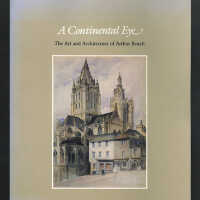
A Continental Eye: The Art and Architecture of Arthur Rotch | Harry L. Katz with an Essay by Richard Chafee
Boston based architect. The firm of Rotch and Tilden designed the Peavey Memorial Library in Eastport, Maine.
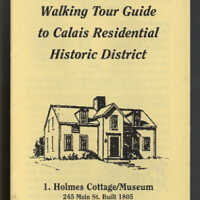
A Walking Guide to Eastport | Brochure, c.1994
Eastport, Maine
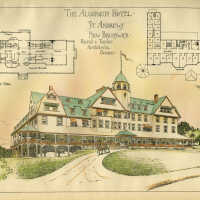
Algonquin Hotel | St. Andrews, New Brunswick | Rand & Taylor [Architect, Boston] | 1889
Artist: Rand & Taylor [Architect, Boston] Medium: Engraving Old Accession Number: 317 Description: From: American Architect and Building News, Dec. 14, 1889, No. 729.

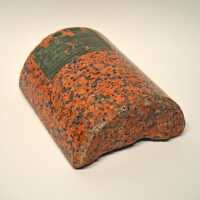
Bay of Fundy Granite | St. George, New Brunswick
Old Accession Number: 1575 Description: From Label: Sample of Bay of Fundy Granite, Furnished by Gilman & Cheney, 49 to ? Medford Street, Charlestown District, Boston, Mass.
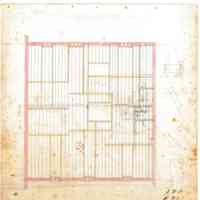
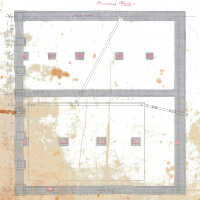
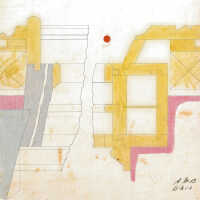
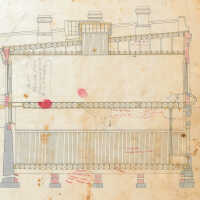
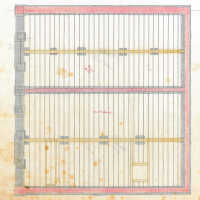
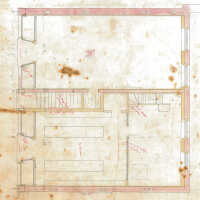
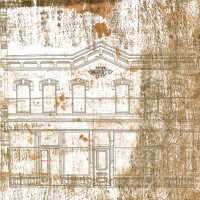
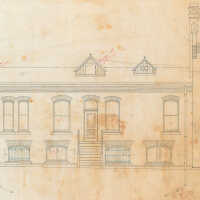
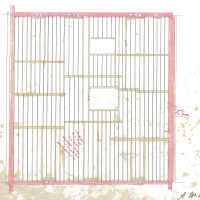
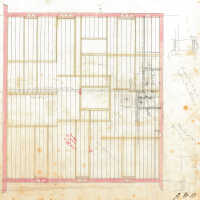
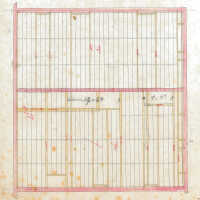
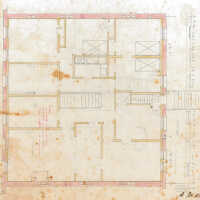
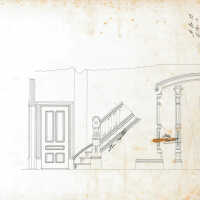
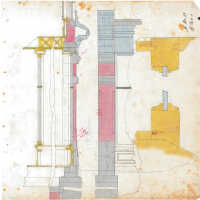
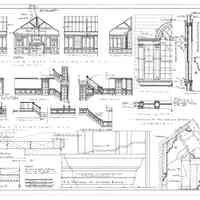
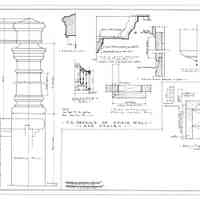
Beckett Block, Water Street, Eastport, Maine, 1887 | Stair and Door Details | Henry N. Black, Architect
Artist: Henry N. Black Circa: 1887 Old Accession Number: 1562
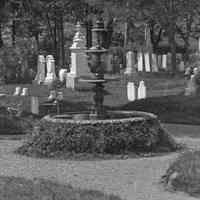
Cast Iron Fountain | Hillside Cemetery, Eastport, Maine
Cast iron basin of this fountain is in the collections of the Tides Institute & Museum of Art. Gift from the Eastport, Maine Port Authority. Diameter of cast iron fountain is approximately 80". ( ) From Eastport Sentinel, May 1, 1895, p.3,c.:: “It will be remembered that the contract with the Eastport Wa|er Co. includes furnishing water for a fountain to be placed in the cemetery, but up to this time nothing has been done towards the establishing of this new needful as well as ornamental acquisition. For some time past the number of persons who have become regular visitors to the cemetery for the purpose of replenishing or caring for the flowers or evergreens that are placed upon the graves of departed friends, has been rapidly increasing, and as they are largely ladies, to get the necessary water from the spring entails an amount of labor, rendering some more central supply a necessity, so that the fountain question has been receiving their attention; the outcome of which is that several ladies have taken the matter in hand, are now getting estimates of the probable cost of a fountain suitable for the purpose, and in a few days will call on our citizens for contributions. As soliciting subscriptions under any circumstances is anything but pleasant we hope that those who are called upon will respond liberally; we bespeak for the ladies the success the enterprise deserves.” ( ) From Eastport Sentinel, May 8, 1895, p.3,c.3: “The committee of ladies who have undertaken the collection of funds for establishing a fountain in the cemetery report their success as very gratifying, as almost without exception those called upon entered heartily into the project, and as the result, a goodly sum has been secured. As it is intended to place the order immediately, the committee request that those who have not as yet handed in the amounts subscribed will please do so at once.” ( ) From Eastport Sentinel, May 8, 1895, p.3,c.2: “At a meeting of the City Council held on Monday evening at the city rooms, the mayor and committee on cemeteries were empowered to confer with ladies in regard to the fountains to be erected there.” ( ) From Eastport Sentinel, May 15, 1895, p.3,c.2: “The fountain for the cemetery has been ordered by James C. Hinkley, and will probably be shipped on steamer Pentagoet May 18th. It is a very handsome Florentine design with Griffin base, bronze finish. The total height is 8 ft. 9 in., and the ground basin is 9 ft. 6 in. in diameter.” ( ) From Eastport Sentinel, May 29, 1895, p.3,c.2: “The fountain for the cemetery, which was purchased with the money collected for that purpose, arrived by Tuesday’s steamer and will be in place before Memorial Day. The thanks of the ladies having the matter in hand are due the International and Metropolitan S.S. Co.s for generously transporting the fountain from New York to Eastport free of charge, and to all those who so liberally contributed to the fund, thus rendering the undertaking so successful, and aiding in the establishment of a lasting monument of beauty and usefulness.” ( ) From Eastport Sentinel, June 5, 1895, p.3,c.2: “Now that the fountain has been placed in the cemetery and found to be all that was anticipated, the ladies submit the following statement: The price of the fountain was $250; amount collected $185; the dealer’s discount $46 which Mr. Hinkley secured on the purchase, was kindly donated by him, making the net cost $204, thus leaving a balance to be collected of $19.00, contributions to which amount will be cheerfully accepted from any who might be disposed to supplement their subscriptions; to Capt. Crosby, superintendent of the Water Co., under whose supervision the fountain was placed, acknowledgement is also due.” ( ) From Eastport Sentinel, November 6, 1895, p.3,c.1: “The fountain that was placed in the cemetery the past summer has ceased to flow for the season, the upper part having been taken down and stored for the wanter. It has proven a great convenience to the many who frequent the place for the purpose of caring for flowers etc., as it makes the procuring of water very much easier than formerly, when it was necessary to carry it to all parts of the yard from the spring. A suggestion has been made that another fountain be placed in the new portion of the cemetery, and one gentleman has signified his willingness to contribute liberally for that purpose.” ( ) From Eastport Sentinel, May 20, 1896, p.3,c.2: “The fountain has been replaced in the cemetery, and the grounds are being put in their usual good shape, the avenues and lots being cleared of dead leaves, and other refuse, and before Memorial Day the place will have taken on a neat and tidy appearance. The Superintendent says that the flower beds and mounds are in readiness to receive plants and seedlings and contributions of either house plants or outdoor grown seedlings will be appreciated and can be used to good advantage in the heretofore waste places within the grounds.” ( ) From Eastport Sentinel, November 4, 1896, p&3,c.2: “The fountain at the cemetery is to be taken down for the winter this week, the plants being already removed. The neat and tidy manner in which the walks and avenues of the cemetery have been kept, and the particular care that has been given to flowers and other decorations placed there, have been appreciated by the public generally. The most courteous attention has always been accorded to visitors having business at the yard, by the superintendent who has spared neither pains nor labor to have the hallowed place exempt from desecrations of all sorts at all times.” ( ) From Eastport Sentinel, June 2, 1897, p.5,c.3: “Superintendent Flagg of the cemetery has had the fountain placed in position, and the water turned on.”
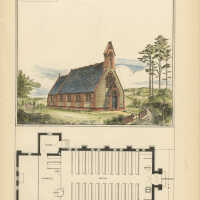
Church at Coldbrook near Saint John, New Brunswick. | R. Brown & J. C. Allison [Architects] | 1879
Artist: R. Brown & J. C. Allison [Architects] Old Accession Number: 324 Description: From: American Architect and Building News, June 5, 1879.
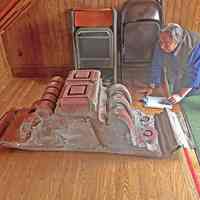
Console
Original metal (?tin) console that is from the front facade of one of the brick building blocks in downtown Eastport, Maine. It dates to 1887. Gift of Kelle and Al Erikson, Eastport, Maine.
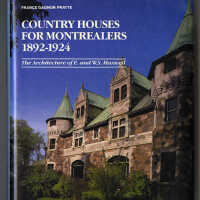
Country Houses for Montrealers, 1892-1924: The Architecture of E. and W.S. Maxwell | France Gagnon Pratte
Includes design of houses in St. Andrews, New Brunswick Montreal, Quebec, Canada
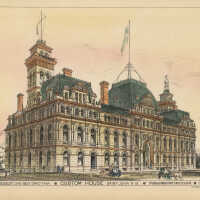
Custom House, Saint John, New Brunswick, 1878-1880 | Thos. S. Scott, Chief Architect; McKean & Fairweather, Architects, St. John
Artist: Thos. S. Scott, Chief Architect, D.P.W., Ottawa; McKean & Fairweather, Architects, St. John; Thomas S. Anderson, Builder. Description: From: American Architect and Building News, Feb. 21, 1880. No. 217. Old Accession Number: 329

Daniel Low: Eastport's Ingenious Architect | Earle Shettleworth, Jr. | 2025
24 pages plus cover. Published by the Tides Institute & Museum of Art, Eastport, Maine 2025 in an edition of 500 copies.
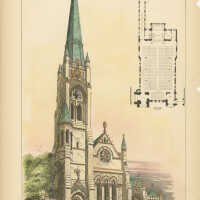
Design for Trinity Church, St. Johns, New Brunswick. | Potter & Robertson [Architects] | 1879
Artist: Potter & Robertson [Architects] Old Accession Number: 325 Description: From: American Architect and Building News, May 3, 1879
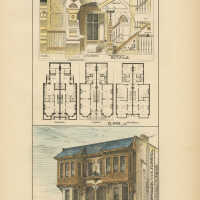
Design for a Double Dwelling for C. Flood Esq., King Street East, St. John, New Brunswick. | Clark and Briggs, Architect | 1878
Artist: Clark and Briggs, Architect, 74 King Street From: American Architect and Building News, June 15, 1878. Old Accession Number: 328
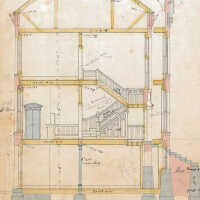
Eastport Savings Bank Plan | Eastport, Maine | Henry N. Black, Architect | Cross-Section Plan, 1887
Circa: 1887 Old Accession Number: 1589
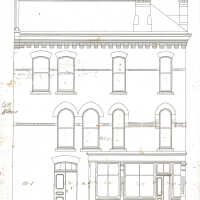
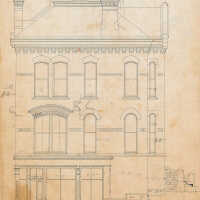
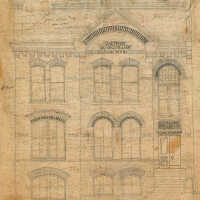
Eastport Savings Bank | Eastport, Maine | Henry N. Black, Architect | West Exterior Wall Plan, 1887
Artist: Henry N. Black Circa: 1887 Old Accession Number: 1532


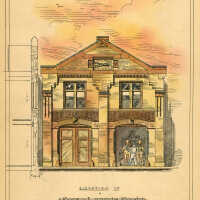
Elevation of Hook & Ladder House for the City of St. John, New Brunswick | W. G. Preston, Architect | 1877
Artist: W. G. Preston, Architect. Classification: Prints Old Accession Number: 326 Description: From: American Architect and Building News, Nov. 10, 1877
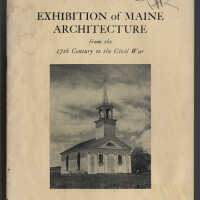

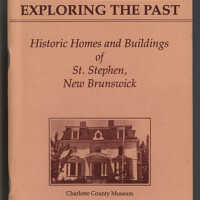
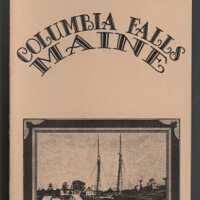
Exploring the Past: Historic Homes and Buildings of St. Stephen, New Brunswick, A Driving Tour |
Charlotte County Historical Society and Charlotte County Museum, St. Stephen, New Brunswick, 1990
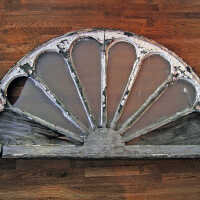
Fanlight Transom Window | Frontier National Bank | Eastport, Maine | 1887
Circa: 1887. Gift of Teddy Trott, Eastport, Maine. Old Accession Number: 1341
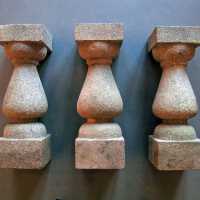
Granite Balusters | Post Office, Eastport, Maine
Circa: 1893 Old Accession Number: 1533 These balusters formed part of an original railing on the top of the post office/customs house located at 1 Washington Street in Eastport, Maine. The railing was removed in the late 20th century.

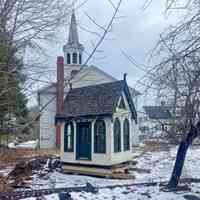
Guy Sullivan, Builder | Dorothy Waide Playhouse | 26 Middle Street | I7-0C3-15 | District #151
A late 19th century full size victorian style child’s playhouse owned by the Tides Institute & Museum of Art. It is one of nine historic buildings owned by the Tides Institute that date from 1819 to the 1940s and that help preserve and illustrate the architectural legacy of this region. This full size Gothic style children’s playhouse dates to about 1900. A then mayor of Eastport, Maine, Edward S. Waide (1867-1944), and his wife and artist, Martha “Mattie” Waide (1857-1929), had the playhouse originally built for their daughter, Dorothy Waide (1894-1974). The playhouse is appoximately 12 feet high, nine feet long and six feet wide. It has a door on each of the long sides and two Gothic arched windows at each end with a triagle shaped window above. For many years the playhouse stood on the lawn surrounding the Waide’s large historic Hayden house home in the center of Eastport at 17 Boynton Street. It stood in front of part of an attached barn to the house. In the early 1940s, the playhouse was removed to be next to a house at the outskirts of Eastport. The playhouse was gifted to TIMA in 2017 by Sheila and Ronald Sullivan (1935-2016) and family and moved to a temporary location next to TIMA’s GAR Civil War Veteran’s Hall building. Sheila grew up and lived at the house on the grounds where the playhouse had been moved to in early 1940s by her father, Leslie Grant (1907-1971). Ronald Sullivan’s grandfather, Guy Sullivan (unknown-1944), built the playhouse in the late nineteenth century for the the Waide family with help from his son, James Warren Sullivan (1895-1965), Ronald’s father. In the summer of 2025, the restored playhouse will be moved to the rear of TIMA’s Central Meeting House where TIMA is developing a small contemplative park. The playhouse will then be a half block away from where it originally stood. It is hoped, the playhouse can once again, on occasion at least, be used by children.
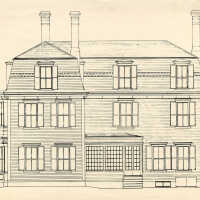
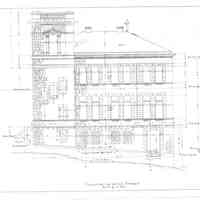
Hayden House Architectural Drawing | East Profile | Ken Schiano, Architect
17 Boynton Street, Eastport, Maine.
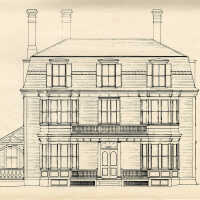
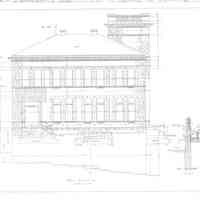
Hayden House Architectural Drawing | South Front Profile | Ken Schiano, Architect
17 Boynton Street, Eastport, Maine.
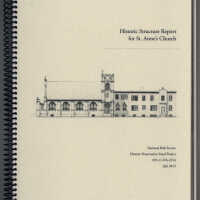
Historic Structure Report for St. Anne's Church | National Park Service, Historic Preservation Fund Project #23-11-NA-2314, July, 2013
Sipayik, Pleasant Point, Maine Passamaquoddy Tribe Roman Catholic Church/Diocese

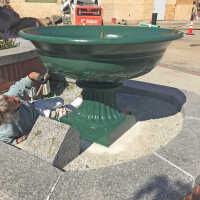
J.L. Mott | Cast Iron Water Fountain | 1889
A late 19th century cast iron water fountain that stands in front of the Tides Institute’s main building at Bank Square in downtown Eastport, Maine. In 1889, three years after a devastating fire leveled Bank Square and Eastport’s downtown and waterfront, the fountain was installed at virtually the identical spot where it now stands. A group of civic minded citizens raised the necessary $125 in funds to purchase the fountain from the J.L Mott Ironworks Company of New York City and bring it to Eastport. The fountain’s water basin is four feet four inches in diameter with a depth of 14 inches. Originally, the fountain had a tall center standard water spout (that has since been lost) and stood five feet eight inches in height. The water fountain remained at Bank Square until the early 20th century when, with the advent of the automobile, the fountain was relocated to Eastport’s Hillside Cemetery as a decorative, non-functioning fountain. In 2006, the fountain was returned to Bank Square as part of the development of a new civic space in front of the Tides Institute’s main building. A small, adaptive center water spout was installed on the fountain to make it fully functional again. Nine years later, in 2015, the fountain was donated to the Tides Institute by the then owners of the fountain, the local branch #558 of the Veterans of Foreign Wars (VFW). The local branch was disbanding and the branch felt that the Tides Institute was the best hope to preserve the fountain in the future. The Tides Instittute maintains the fountain. In 2012, the Tides Institute acquired from a Chicago antiques dealer an original copy of the J.M. Mott 1883 advertising catalogue for statuary, fountains, and more that includes the Bank Square water fountain model.


Masonic Emblem | 1887
HISTORIC 1887 MASONIC EMBLEM RESTORED! The large original Masonic emblem that was attached to the upper front of our Masonic building has been restored. The building was built in 1887 and the emblem attached at the same time. The emblem was taken down when the badly deteriorated upper front wall of the Masonic building was taken down last year. The 42" in diameter tin emblem was in very tough shape, but Bill Schaefer, artist and restorer of many things extraordinaire, was able to repair and restore it through extensive cleaning, soldering and then repainting, That's him standing next to the restored emblem in the photo. The restored emblem will go back on the Masonic building this coming spring once the upper wall is completely rebuilt and restored. In this photograph, the board that the emblem is mounted on is 43 3/8" wide by 43 3/8" high. Photograph of Bill Schaefer, standing next to emblem, who restored the emblem in 2023.
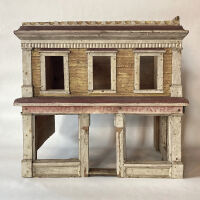
Model of Acme Moving Picture Theatre, Eastport, Maine
Model of Acme Moving Picture Theatre, Eastport, Maine. Dimensions: 27 3/4 inches wide, 26 /2 inches tall and 19 1/4 inches deep. Small sign at mid-height on the front right side of the model reads "Wilbor A. Shea." The Acme Theatre was built in 1908 and burned to the ground in 1941.
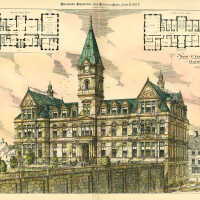
New City Hall, Halifax, Nova Scotia | Edward Elliot, Architect, Halifax | 1887
Artist: Edward Elliot, Architect, Halifax. Old Accession Number: 334 Description: From: American Architect and Building News, June 11, 1887. No. 598.
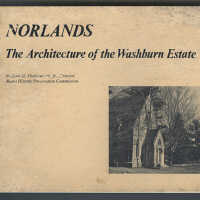
Norlands: The Architecture of the Washburn Estate | Earle Shettleworth, Jr.
In Architectural Vertical Files. 2 copies.
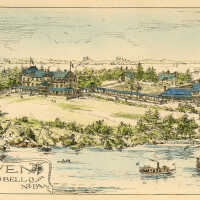
Owen Hotel, Campobello, New Brunswick | William G. Preston, Architect | 1882
Artist: Wm. G. Preston [Architect], Boston Old Accession Number: 323 Description: From: American Architect and Building News, April. 15, 1882. No. 329. [second copy]

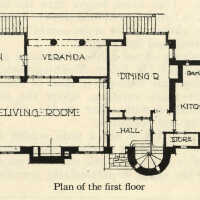
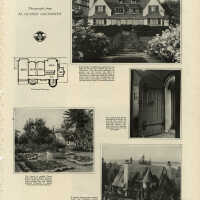
Pansy Patch [St. Andrews, New Brunswick] | Country Life | (Vol. 44, No. 5), March, 1924, pp. 56-58
Old Accession Number: 1316 St. Andrews, New Brunswick
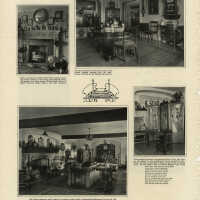
Pansy Patch [St. Andrews, New Brunswick] | Country Life | (Vol. 44, No. 5), March, 1924, pp. 56-58
Old Accession Number: 1315 St. Andrews, New Brunswick
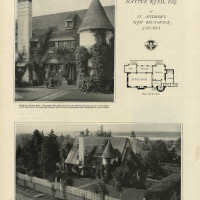
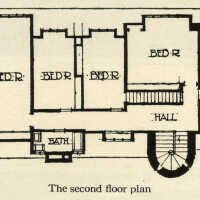
Pansy Patch [St. Andrews, New Brunswick] | Country Life | (Vol. 44, No. 5), March, 1924, pp. 56-58
Country Life, vol. 44, no. 5, 1924, pp. 56-58 Old Accession Number: 1312 St. Andrews, New Brunswick
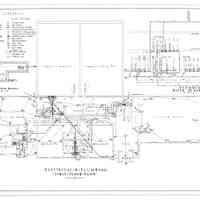
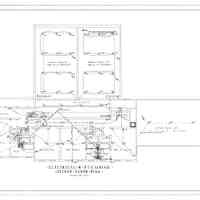
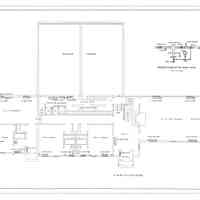
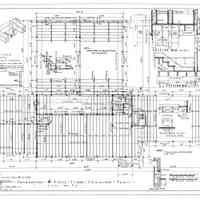
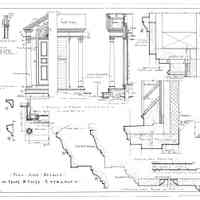
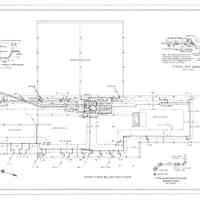
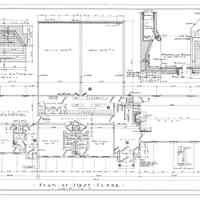
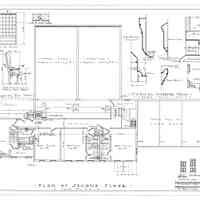
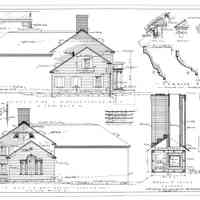
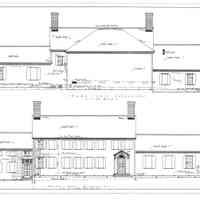
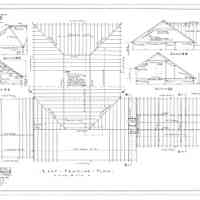
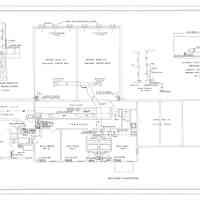
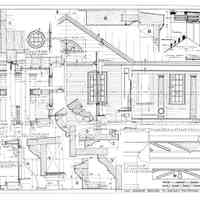
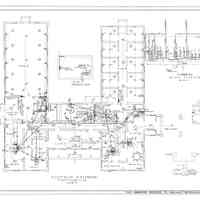
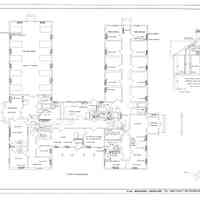
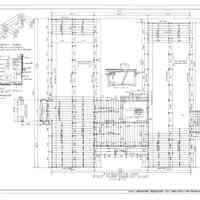
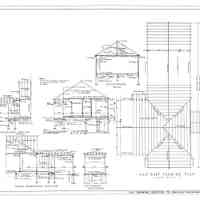
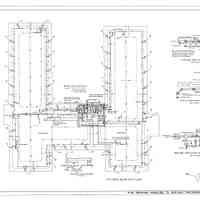
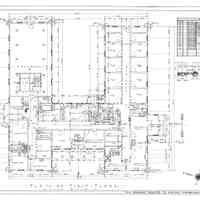
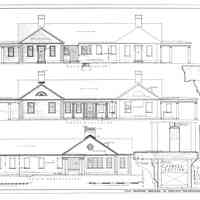
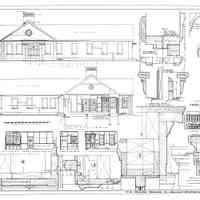
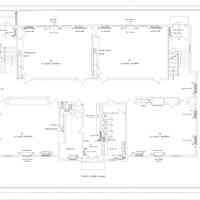
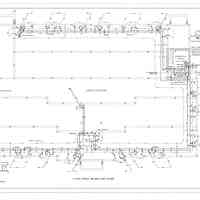
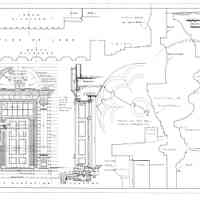
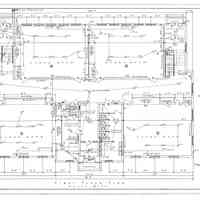
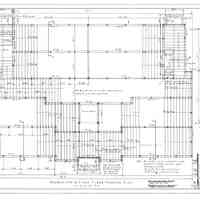
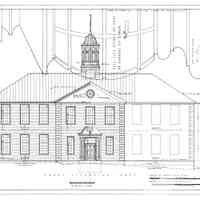
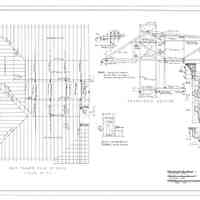
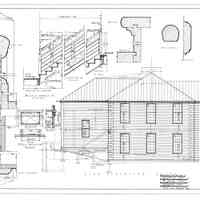
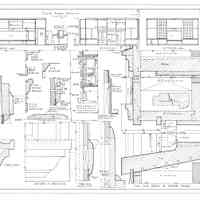
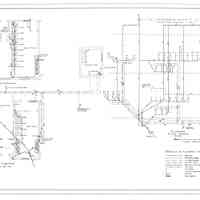
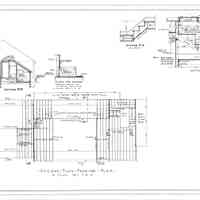
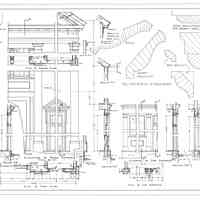
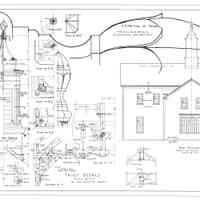
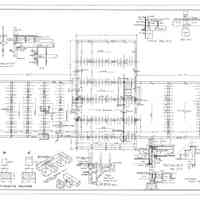
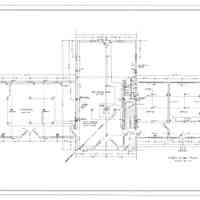
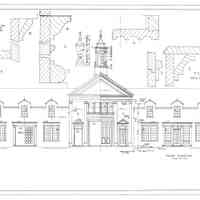
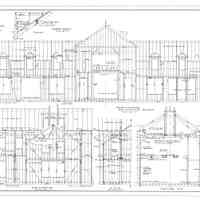
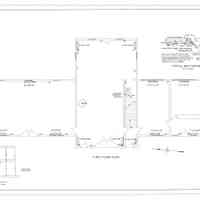
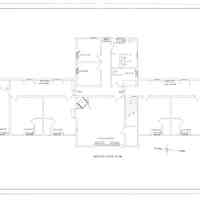
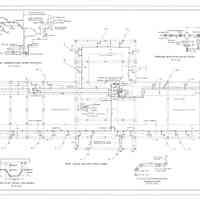
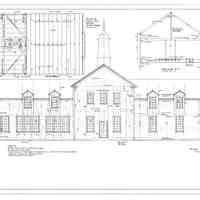
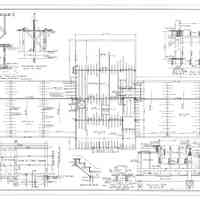
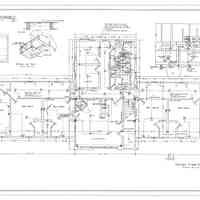
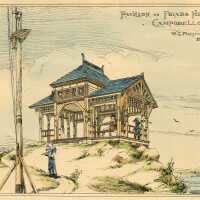
Pavilion on Friar’s Head, Campobello, New Brunswick | W. G. Preston, Architect, Boston | 1882
Artist: W. G. Preston, Architect, Boston Old Accession Number: 327 Description: From: American Architect and Building News, June 10, 1882. No. 337. (second copy
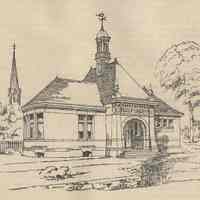
Peavey Memorial Library Architectural Sketch | Eastport, Maine
Description: From Eastport Sentinel, August 30, 1893, p. 1.
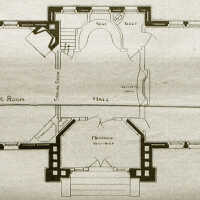
Peavey Memorial Library Floor Plan | Eastport, Maine
Description: From Eastport Sentinel, August 1, 1894, page 1, columns 6-8. Old Accession Number: 1535
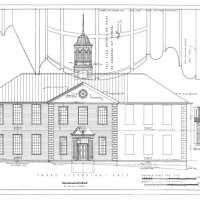
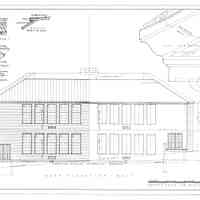
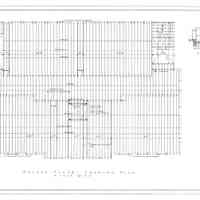
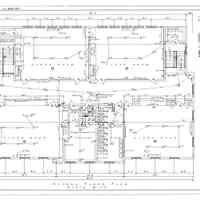
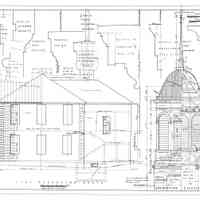
Quoddy Village Schoolhouse Plan | Eastport, Maine
Old Accession Number: 1557
Reconnaissance Level Architectural Survey / Eastport, Maine | Charlton Hudson, 1998
Two versions, each two pages in length

Restoring Your Historic House: The Comprehensive Guide for Homeowners | Scott T. Hanson with Photography by David J. Clough
Historic Preservation, Restoration
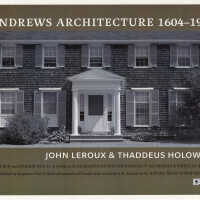
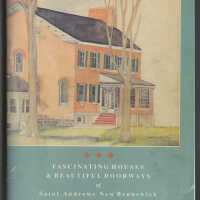
St. Andrews Architecture 1604-1966 | Gaspereau Press | 2010
Artist: Gaspereau Press Medium: Offset Print Old Accession Number: 582 Description: Poster. St. Andrews Architecture 1604-1966. John Leroux & Thaddeus Holownia. Poster for Launch of this Book held on July 17, 2010. St. Andrews, New Brunswick
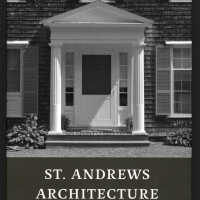
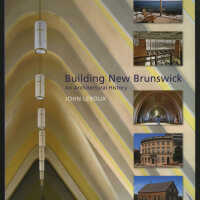
St. Andrews Architecture, 1604-1966 | John Leroux and Thaddeus Holownia
St. Andrews, New Brunswick. Published by Gaspereau Press
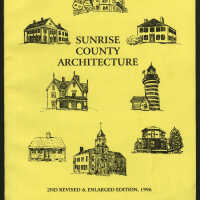
Sunrise County Architecture: Significant Buildings of Washington County, Maine and Campobello Island, New Brunswick Canada, 2nd Revised & Enlarged Edition, 1996
Sunrise Research Institute, Machias, Maine 04654 The 2nd revised and enlarged edition was edited by John Charles Bodger, with the help of the Maine Historic Preservation Commission and all the local historical societies in Washington County, as well as the Government of the Province of New Brunswick, Canada, and the Roosevelt Campobello International Park, bu the Sunrise Research Institute financed this edition.

Sunrise County Architecture: Significant Buildings of Washington County, Maine | Sunrise Research Institute, Machiasport, Maine, First Edition, 1979
This report was prepared by Anne Fernald in conjunction with the Sunrise Research Institute of Machiasport, Maine.
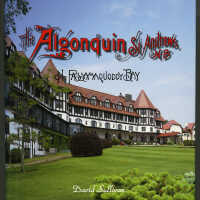
The Algonquin St. Andrews, N.B on Passamaquoddy Bay | David Sullivan
St. Andrews, New Brunswick.
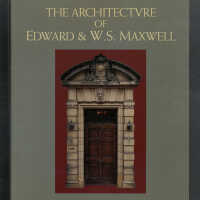
The Architecture of Edward & W.S. Maxwell
Includes houses designed by them in St. Andrews, New Brunswick.

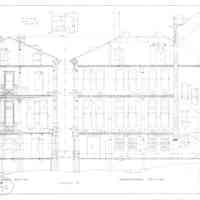
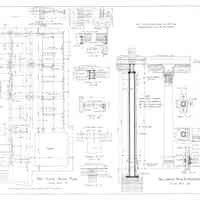
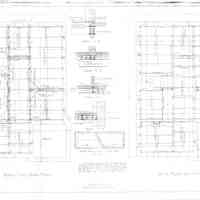
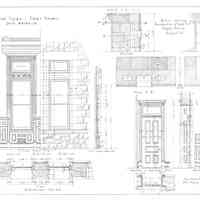
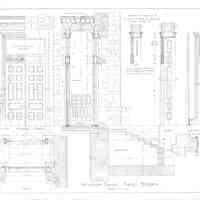
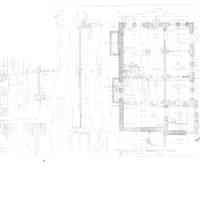
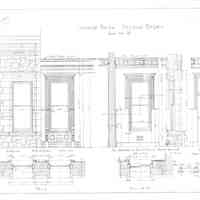
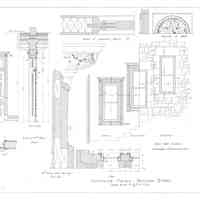
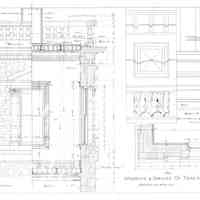
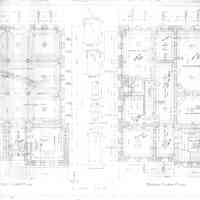
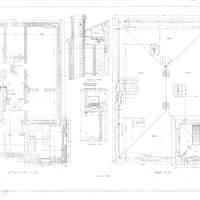
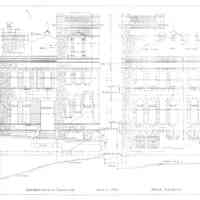
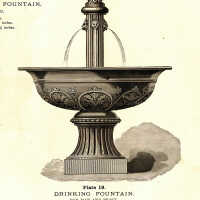
Water Fountain Plan | Bank Square, Eastport, Maine | J.L. Mott
Artist: J.L. Mott Old Accession Number: 1534 This is a plan from the J.L. Mott fountain catalog in the collections of the Tides Institute & Museum of Art. The plan is for the 1889 water fountain owned by TIMA and that stands in front of TIMA's main building at Bank Square in Eastport, Maine.
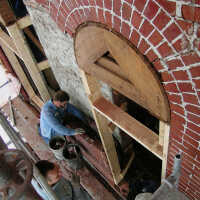
Wooden Window Arch Form | Eastport Savings Bank Building, Eastport, Maine 1887
One of a series of six original late 19th century wooden window arch forms used in the construction of theTides Institute’s main building in downtown Eastport, Maine. The were used when the building was built in 1887 as the Eastport Savings Bank. The six forms were discovered in the fourth floor attic space of the building shortly after the Tides Institute purchased the building in 2002. The building was designed by architect, Henry N. Black, of Boston and Saint John, New Brunswick and was constructed by B. Mooney & Sons, brick masons, of Saint John, New Brunswick. It is very unusual to have such 19th century window arch forms survive as typically they are thrown away as soon as a building has been built using them. Earle Shettleworth, Jr., long the director of the Maine Historic Preservation Commission, when told about the forms, reported that he he had never seen such 19th century window arch forms survive anywhere else in Maine. These original forms were reused during the reconstruction of the Tides Institute’s main building in 2005 by G. Drake Masonry of Dixmont, Maine The Tides Institute main building is part of a 30 building Eastport downtown National Register Historic District established in 1982. Most of the buildings in the district date to 1887 following a devastating great fire of October 14, 1886 that leveled the Eastport downtown and waterfront. Two thirds of the buildings in the district were designed by architect, Henry Black. Photo caption: Two of the six original wooden window arch forms used in the construction of theTides Institute’s main building in downtown Eastport, Maine in 1887. The forms were reused during the reconstruction of the building in 2005 by G. Drake Masonry. The forms were discovered in the attic of the Tides Institute's main building with the building was purchased in 2002.